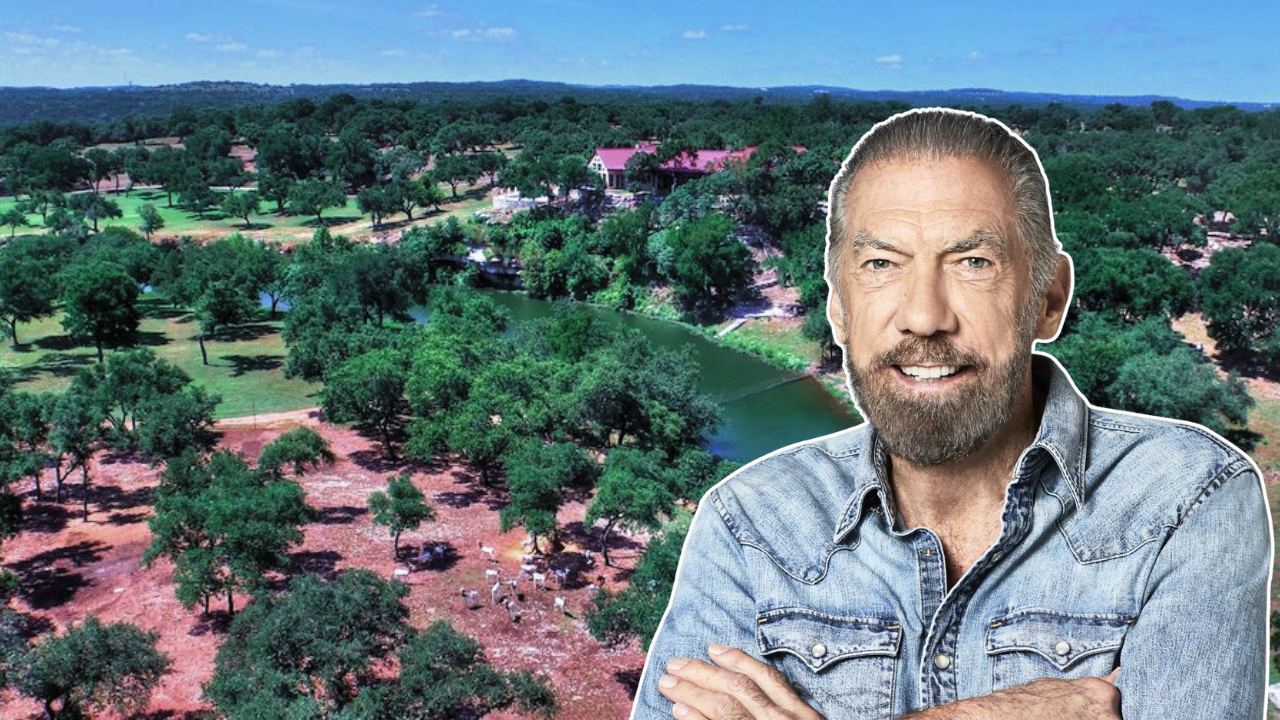
Buying a luxury Texas estate is one thing. Inheriting a hundred-plus exotic African animals and a massive underground bunker is something entirely different.
When billionaire entrepreneur and Patrón co-founder John Paul DeJoria parted ways with his 96-acre Hill Country property, known as Patrón de Paz, the transaction caught national attention. Priced initially as high as $7.99 million before finally settling at a $6.93 million sale to television director Jonathan Nowzaradan, the Dripping Springs compound wasn't your typical high-end real estate listing. It came with responsibilities, eccentricities, and built-in infrastructure that set it completely apart from standard luxury ranches.
The Reality of Living With 120 Exotic Animals
Most buyers look for manicured lawns and high-end kitchen appliances. The buyer of this property inherited a living, breathing ecosystem.
Spanning 96 acres along Fitzhugh Creek, the ranch had functioned for years as a sanctuary for over 120 exotic African animals. We aren't talking about a few decorative deer grazing in the distance. The herd included species like antelopes, gazelles, and wildebeest. Managing a wildlife population like that requires specific knowledge, active oversight, and ongoing permit management.
DeJoria, who co-founded John Paul Mitchell Systems in 1980 before building Patrón Spirits Company into a global giant, originally shaped the ranch as a personal retreat. Owning an estate like this means dealing with veterinary logistics, feeding routines, and specialized fencing long after the closing paperwork is signed. It's an entirely different tier of property management.
Inside the Texas Hill Country Compound
Beyond the resident wildlife, the property was built for seclusion and comfort.
The main residence covers 7,540 square feet. It features four bedrooms, six bathrooms, exposed wood beams, native stone walls, and a commercial-grade kitchen designed for heavy entertaining. Outside, a pool, spa, and wide porches overlook the creek.
The grounds also feature two separate barns with attached guest quarters, a stocked fishing pond, and a working pecan orchard. Yet, the most talked-about architectural feature sits completely hidden from view.
Why An Underground Shelter Changes Everything
Deep beneath the surface lies a 2,700-square-foot underground shelter.
While luxury bunkers have surged in popularity among high-net-worth individuals over recent decades, having a facility of this scale built directly into a residential property shifts the profile of the estate. It transforms a standard weekend getaway into a fully self-sufficient compound. Whether designed for severe Texas weather events or total off-grid privacy, a subterranean shelter of that size demands regular maintenance and climate control systems just like the main house above it.
The Real Estate Strategy Behind the Sale
DeJoria didn't offload the property because he needed quick cash. Real estate agent records show that his primary residence remained near Lake Austin, and at the time of the sale, he maintained multiple properties globally while streamlining his real estate portfolio.
Selling a specialized asset like Patrón de Paz takes patience. The property originally hit the market in 2016 asking nearly $8 million. Real estate markets in the Texas Hill Country fluctuate wildly based on inventory and luxury demand, which explains the price adjustment down to $6.93 million. Specialty estates with exotic livestock populations have a very narrow buyer pool. You cannot market an African animal sanctuary to just anyone looking for a standard suburban mansion substitute.
If you are ever eyeing a specialty ranch with unique ecological or architectural attachments, look past the initial purchase price. The true cost of ownership involves wildlife upkeep, specialized insurance policies, and maintaining off-grid amenities. Set your budget for the ongoing operational reality, not just the closing day headline.