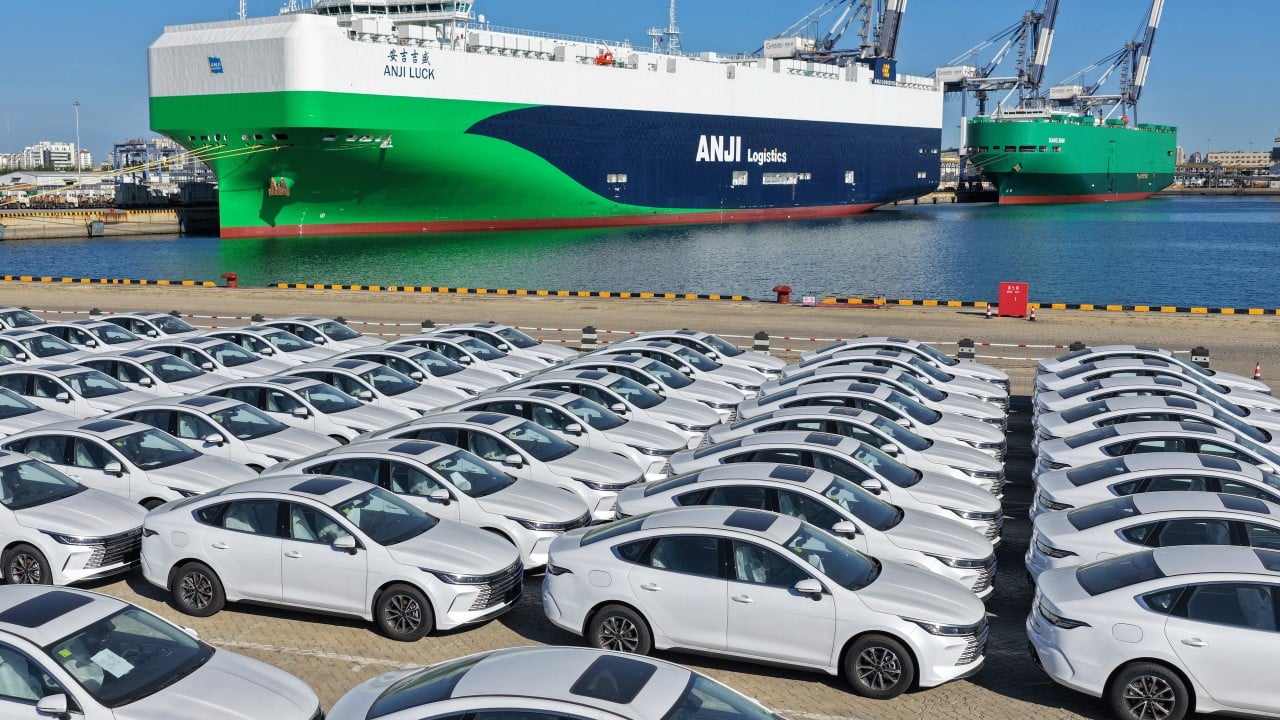
You can't buy an affordable electric car in America right now, and trade protectionism is the main reason why. Washington has thrown up a wall of 100 percent tariffs, strict software bans, and heavy-handed regulations to keep Chinese electric vehicles off American asphalt. Experts are starting to speak out against these broad barriers, arguing that shielding domestic automakers from global competition hurts drivers and stalls the transition to green transit.
If you look closely at the current policy landscape, the barriers go far beyond simple taxes. Lawmakers and regulators have locked the doors tightly using national security justifications, leaving American consumers with fewer choices and higher price tags.
The Anatomy of the Blockade
American trade policy didn't accidentally stumble into a total exclusion of Chinese automotive tech. Officials implemented a multi-layered defense strategy designed to stop foreign competitors before they even reach domestic ports.
The primary weapon is the tariff rate. Washington quadrupled duties on Chinese electric cars to 100 percent, effectively doubling the price of vehicles that often sell for under twenty thousand dollars overseas. On top of that, proposed connected-vehicle rules target software and hardware originating from adversarial nations. Lawmakers even scrutinized legacy European brands with partial Chinese ownership, trying to squeeze out any supply chain overlap.
Domestic automakers cheer these moves because they buy time. Yet, buying time without fixing underlying manufacturing costs leaves local companies uncompetitive over the long haul.
Why Protectionism Backfires on Drivers
Sheltering domestic car companies creates a comfortable bubble, but it punishes everyday people who want to buy clean transportation. Average transaction prices for battery-powered cars in the United States remain stubbornly high, putting ownership out of reach for middle-class households.
When you block efficient foreign competitors, you remove the pressure to innovate rapidly. Look at what happened in domestic smartphone or consumer electronics markets when global rivalry stayed fierce. Prices dropped while features multiplied. By contrast, the local automotive sector gets a free pass to delay affordable models while leaning on government subsidies and tax credits to prop up profit margins.
The Domestic Manufacturing Compromise
Some political figures have floated a middle ground. Officials suggest that Chinese automakers could set up assembly plants directly on US soil, hiring American factory workers just like Japanese and European brands did decades ago.
This approach satisfies job creation goals while dodging direct import threats. Building cars locally means foreign firms must play by domestic labor rules, source local parts, and pay taxes inside the country. Even so, traditional auto executives hate the idea, urging politicians to keep the gates bolted shut against any form of competition.
Moving Past the Fear Factor
Clinging to a closed-market mentality will not protect the domestic industrial base forever. Real strength comes from competing on an open field, not hiding behind prohibitive tariffs and regulatory red tape. Policymakers need to weigh long-term economic health against short-term political panic.
If American car companies want to lead the next century of transportation, they have to face the best global rivals head-on rather than relying on trade barriers to do the fighting for them.
Even Tariffs May Not Stop American Buyers From Wanting Chinese
This video explores how Chinese EV giants continue to pressure global markets and the ongoing debate surrounding their potential entry into the United States.