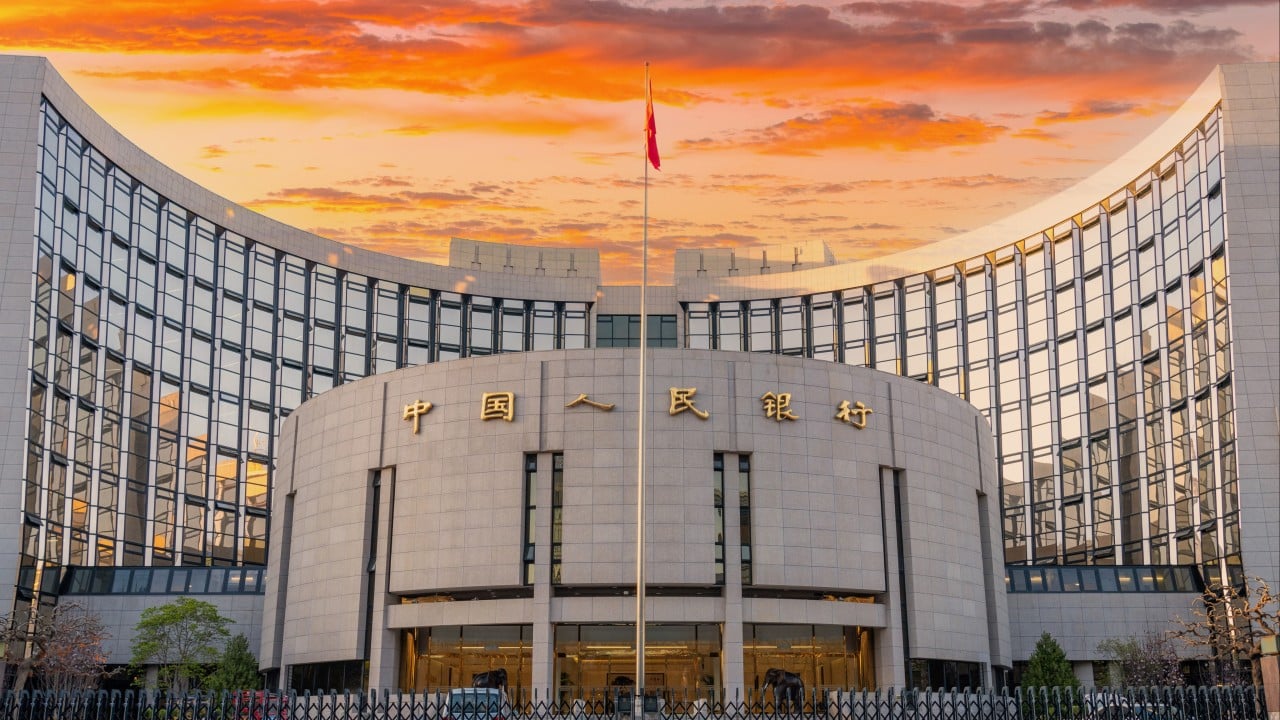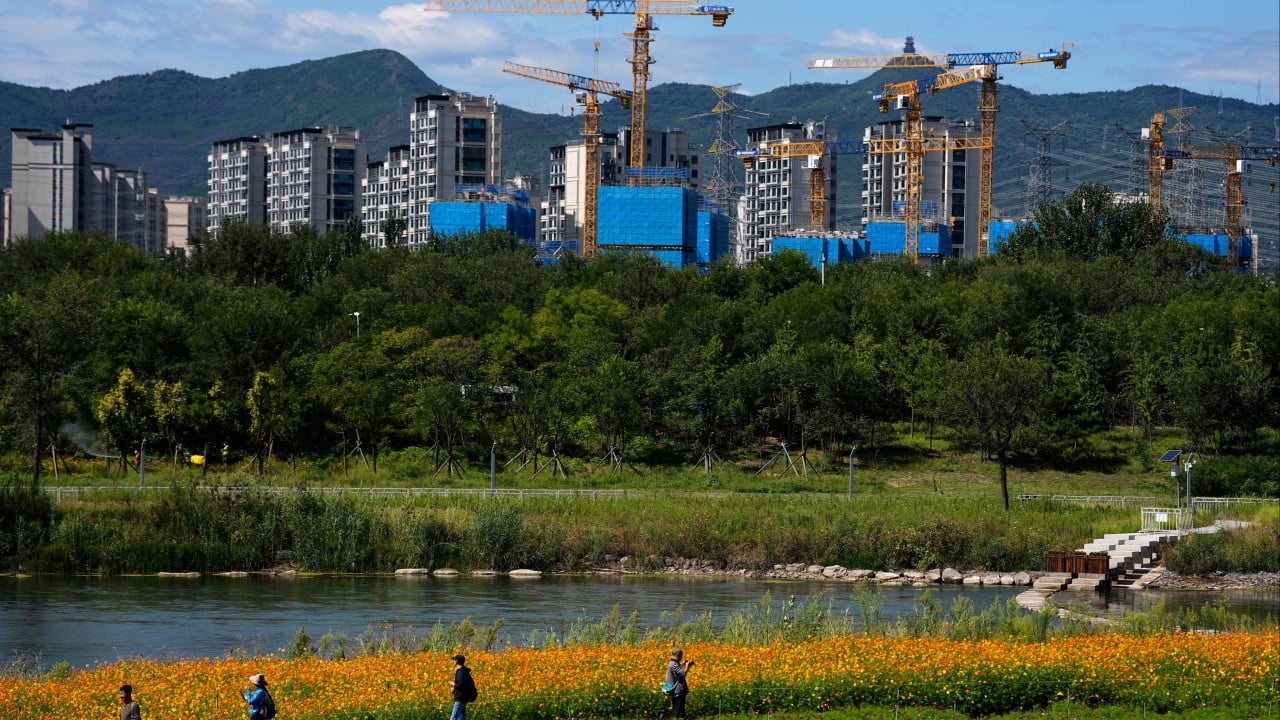
For years, the standard playbook for China's real estate market was simple. Build towers, sell futures on blueprints, and let speculative capital run wild. That era is dead. When resale transactions in major urban centers finally outpace new home sales, the structural ground shifts beneath everyone's feet. Beijing's current policy pivot is not about engineering another speculative boom. It is about an urgent, defensive mission to stabilize existing home values and prevent a broader economic contraction.
Most analysts miss the psychological weight of property ownership in modern China. Real estate has long absorbed the lion's share of household wealth. When property valuations crater, consumer confidence goes down with them. People stop spending. They hold onto cash. They delay major life choices. Beijing recognizes that a sliding housing market poisons domestic consumption faster than any trade tariff or external shock ever could.
Stabilizing existing housing stock requires a completely different operational approach. For decades, local governments and developers focused entirely on the primary market. Empty land meant fresh municipal revenue. But that model stalled out under mountains of developer debt. Now, the shift centers on managing inventory, clearing project pipelines, and ensuring that completed homes retain enough market credibility to keep everyday homeowners from feeling financially wiped out.
You cannot fix a confidence crisis with token gestures. Households need reassurance that their primary asset will not turn into a permanent liability. This explains why recent fiscal signaling from figures like Finance Minister Lan Foan emphasizes targeted public spending and structural adjustments rather than massive, broad-brush stimulus packages. The goal is careful containment, not a reckless return to debt-fueled excess.
Critics often argue that slowing down new construction hurts economic velocity. They are missing the point. Continued oversupply in a deflationary environment destroys value. Shifting the focus toward existing stock puts a floor under household balance sheets. When homeowners see their property values holding steady, their willingness to open their wallets returns.
The private sector sits at the heart of this transition. Employment stability and rising incomes depend heavily on private enterprises regaining their footing. Without robust job markets, even the cleverest housing intervention fails. Beijing's policymakers know that protecting home values is fundamentally tied to protecting the everyday income streams that service mortgages.
Expect policy tweaks to stay hyper-focused on regional stabilization. Cities are getting more room to experiment with supply controls and inventory adjustments. The era of uniform, nationwide directives has ended. Success now depends on local execution and restoring basic market trust, brick by brick.