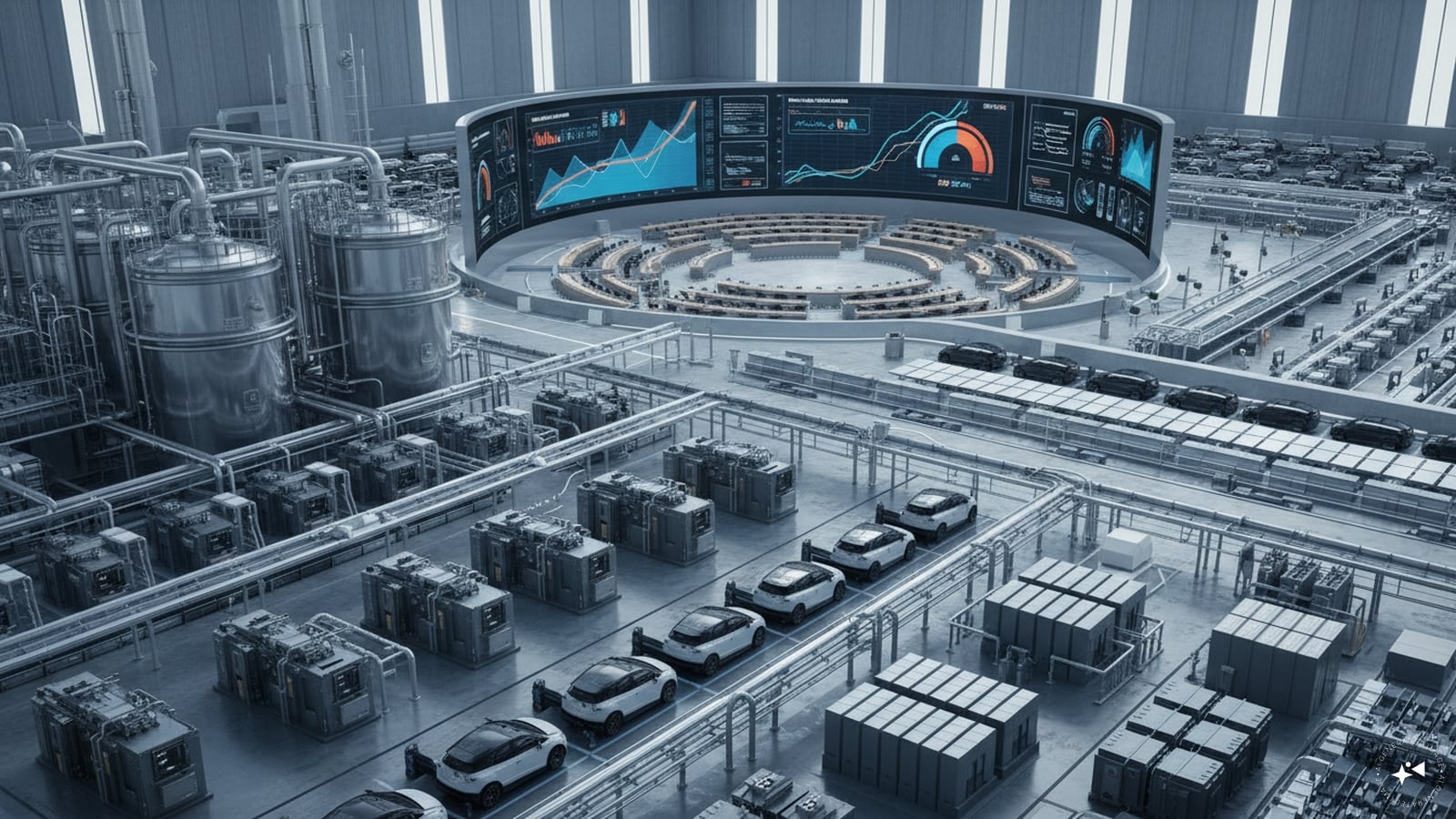
Factories around the globe are pumping out far more goods than the world actually buys. When production outpaces demand year after year, local industries face a slow, painful squeeze.
During the G20 trade meetings in Milwaukee, the United States alongside fourteen other economies signed a joint ministerial statement targeting structural excess manufacturing capacity. Signatories include major heavyweights like the European Union, India, Japan, the United Kingdom, France, and Germany. They aren't just talking about steel anymore. The new targets cover high-stakes sectors like electric vehicles, batteries, foundational semiconductors, chemicals, and solar panels.
If you think this is just diplomatic theater, look closer. This pact sets the stage for aggressive trade barriers and tariffs before the end of the year.
The Real Problem Behind Factory Flooding
You can't talk about industrial oversupply without looking at non-market policies. For years, heavy state subsidies in certain regions have kept failing or low-demand factories running at full tilt. Instead of letting market forces dictate closures or cutbacks, governments pump cash into keeping assembly lines moving.
The result is a massive global glut. When local markets can't absorb the output, these products flood international trade channels at artificially low prices.
Domestic manufacturers in unprotected economies simply cannot compete with state-backed pricing. Plants close, workers lose jobs, and supply chains become dangerously centralized.
Why Autos, Chips, and Solar Panels Are Next
Past overcapacity battles focused heavily on basic materials like steel and aluminum. This latest G20-adjacent agreement shifts the battleground directly into the modern tech and green energy transition.
Think about electric vehicles and solar panels. Billions of dollars have poured into building gigafactories and solar production lines worldwide. When supply vastly exceeds current consumer adoption and grid buildout speeds, prices crash.
Governments fear that relying entirely on heavily subsidized foreign supply chains for foundational chips and batteries creates an immense national security vulnerability. That's why the new sectoral platforms are spinning up immediately on the margins of the OECD Trade Committee. Signatories plan to meet before December to share non-confidential data, map out information gaps, and build joint defense mechanisms.
The Division Among Major Economies
Diplomacy is rarely neat. While fifteen economies signed on to target structural overcapacity, the road to consensus was rocky.
Earlier trade ministerial sessions revealed sharp friction among G20 members. Some nations hesitated to back sweeping U.S.-led moves, fearing it would trigger retaliatory trade wars or dismantle fragile multilateral frameworks. Critics argue that broad protectionist tools can easily backfire, raising consumer prices on green technology right when the world needs rapid adoption.
Yet the signatories are drawing a hard line. They argue that waiting for traditional consensus means watching domestic industrial bases collapse entirely.
What Happens Next
Expect a flurry of protective tariffs and stricter trade investigations before the year wraps up. The U.S. is already pushing forward with a broad Section 301 investigation targeting multiple trading partners over industrial oversupply.
If you run a manufacturing business, source hardware, or build supply chains, you need to prepare for sudden cost shifts. Sourcing strategies built entirely on the cheapest global bidder are facing an abrupt expiration date. Diversify your supplier footprint now and keep a close eye on upcoming technical-level meetings where the new trade rules will take shape.