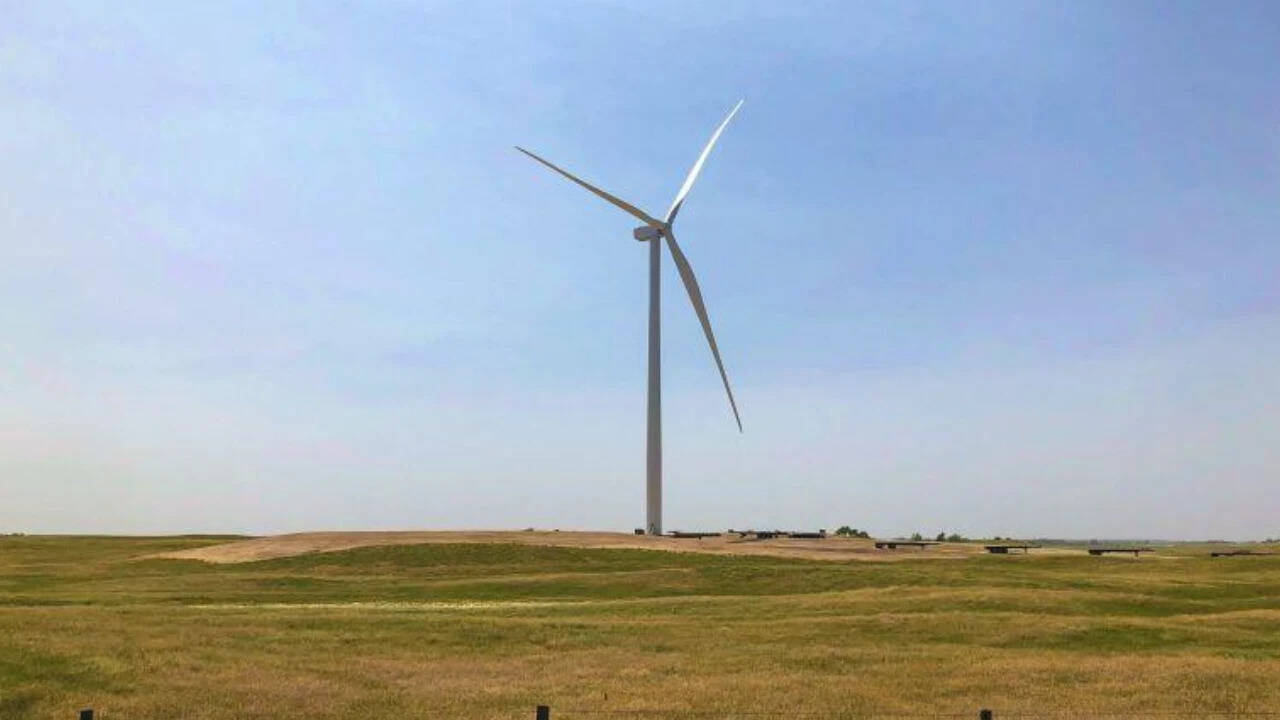
Farming is a constant gamble against weather, market volatility, and skyrocketing equipment costs. When a single acre of top-dollar corn nets around $600 in a good year, covering expenses leaves producers searching for alternate revenue streams. Enter rural land leasing for renewable energy. In places like Cuming County, Nebraska, landowners are discovering that renting out a tiny fraction of their property for a single wind turbine can return up to $12,500 annually on a multi-decade contract.
The math changes everything about how modern agricultural real estate generates cash flow. You don't have to sell the family homestead or give up your primary livelihood. You just need a bit of open space and a developer looking to tap into local power grids.
The Real Numbers Behind Wind Turbine Leases
Let's look at how the economics work on the ground. A standard 160-acre farm parcel requires only about one acre of physical footprint to accommodate a modern utility-scale wind turbine along with its immediate access equipment and infrastructure.
That means 159 acres remain entirely usable for planting crops, grazing cattle, or whatever else the producer prefers. According to industry data compiled by groups like the National Rural Electric Cooperative Association regarding projects built by developers such as Bluestem Energy Solutions, a typical thirty-year lease agreement averages between $10,000 and $12,500 per year for that single acre.
Compare that to the absolute best-case scenario for traditional crop yields. Even if you manage record-breaking corn prices and ideal growing conditions, a single acre maxes out at roughly $600. The lease payout dwarfs traditional crop revenue on that specific patch of land by twenty times or more. Payments typically start at a baseline rate and include annual escalators, giving rural families predictable cash flow during volatile agricultural cycles.
Why Local Utilities Are Buying In
This isn't just about landowners making money. Rural public power districts face immense pressure to keep electricity prices stable while reducing reliance on distant transmission lines and massive wholesale energy conglomerates.
When local utility providers evaluate their options, solar often hits roadblocks in regions prone to heavy cloud cover or seasonal storms. Battery storage technology adds massive upfront capital expenses. Wind energy, on the other hand, offers a predictable generation profile.
In the Nebraska project that put this model in the spotlight, a local power district partnered with a private developer who shouldered the multi-million-dollar price tag to build, own, and maintain a 2.5-megawatt General Electric turbine. The utility agreed to buy the generated electricity under a long-term fixed-price contract. This arrangement shaved three to four percent off annual wholesale power costs while funneling over a million dollars into the local economy through property taxes and operational spending over the lifespan of the project.
What to Watch Out For Before Signing a Land Lease
If you own rural acreage and energy developers come knocking, don't sign anything immediately. Renewable energy leases look simple on paper, but they carry long-term legal and operational implications that can impact your property for generations.
- Contract Duration: Most agreements span thirty years with options to extend. That is a massive chunk of time. You need to understand how future land inheritance, estate planning, and property sales will be affected while a third-party utility fixture sits on your deed.
- Decommissioning Clauses: Who pays to remove the massive concrete foundations, steel towers, and buried cabling when the turbine reaches the end of its useful life? Ensure the contract puts the legal and financial burden squarely on the developer, backed by a secured bond.
- Drainage and Soil Compaction: Heavy construction equipment tears up topsoil. Make sure your agreement specifies strict remediation terms for repaired tiling, soil compaction relief, and compensation for crop damage during ongoing maintenance work.
- Liability and Insurance: You want ironclad indemnification clauses protecting your farm business from liability if equipment fails or causes unexpected damage.
The Shifting Landscape of Rural Business
Agriculture is evolving beyond simple dirt farming. Diversifying income through wind or solar leases provides a buffer against severe droughts, shifting trade policies, and high input costs for seed, fertilizer, and diesel.
When one acre can pull its own weight and then some, farm families gain financial breathing room. It is a pragmatic shift in how rural property owners look at their acreage, turning steady breezes into a reliable harvest.