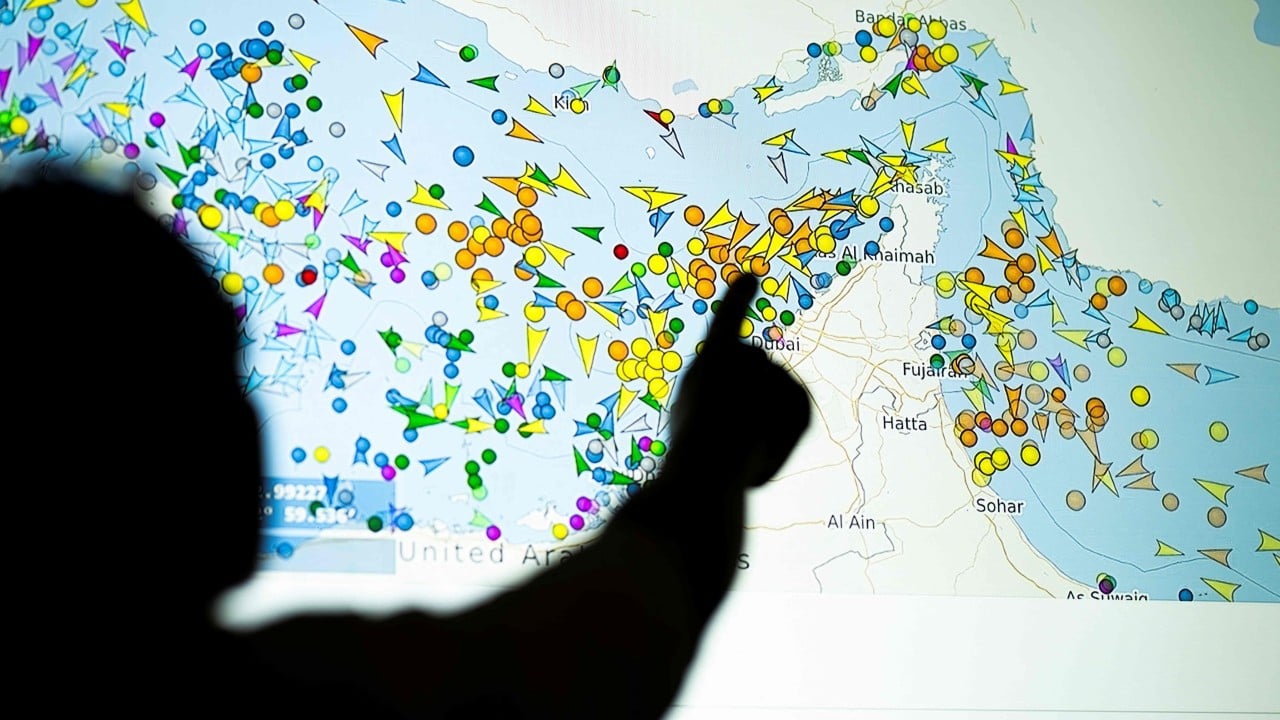
When cargo ships slow down in the Middle East, the fields of Southeast Asia feel the pain. Most people look at the Strait of Hormuz and think only about oil prices. That is a massive mistake. Tucked away inside the routine bulk carrier manifests is something far more critical to daily survival: chemical fertilizers and the raw inputs required to grow food. Right now, maritime gridlock in the Gulf is threatening a quiet catastrophe for regional agriculture. If you think inflation at the grocery store is bad now, wait until farmers across ASEAN cannot afford the nutrients needed for the next planting season.
The vulnerability comes down to basic chemistry and global trade geography. Southeast Asia relies heavily on imported chemical inputs, including nitrogen, phosphorus, and potassium, alongside crucial elements like sulfur. When shipping routes through the Middle East choke up due to ongoing security friction and blockages, supply chains fracture almost instantly. Importing countries are forced to pay exorbitant rates for smaller volumes. China's sulfur imports recently plunged by a staggering 65 percent while prices surged multiple times over. When a manufacturing powerhouse starts bleeding cash for basic fertilizer components, smaller developing economies in ASEAN face an impossible squeeze.
The Myth of Food Self-Sufficiency
Politicians love to talk about domestic food security as if it is a fortress they can build overnight. It is not. You cannot grow high-yield rice, corn, or palm oil on enthusiasm alone. Modern intensive farming runs entirely on synthetic fertilizers. When those imports stall, crop yields drop sharply, and prices climb before harvests even begin.
Farmers in countries like Vietnam, Thailand, and Indonesia operate on razor-thin margins. Fertilizer is usually their single biggest variable expense. If prices double or triple because tankers are dodging conflict zones, growers simply use less. That triggers lower yields per hectare. Food supplies shrink. Governments panic. Then protectionist impulses take over, with nations slapping export bans on domestic staples to keep local prices stable.
Why ASEAN Needs a Unified Playbook
Regional diplomacy in Southeast Asia is notoriously polite. ASEAN prefers consensus over confrontation. But polite meetings won't unlock shipping lanes or lower commodity costs.
To dodge this looming hunger squeeze, regional trade ministries need to drop the diplomatic handbook and take concrete defensive measures. First, governments must actively resist knee-jerk export restrictions. When one country locks down its rice or grain exports, it triggers a domino effect of panic buying across neighboring markets. Second, agricultural boards need to diversify sourcing immediately toward Latin America and non-Gulf suppliers, even if transport logistics cost more upfront.
Finally, policymakers have to recognize that Middle Eastern security is no longer a distant geopolitical headline. It is a direct threat to local rice bowls. Ignoring the bottleneck won't make it disappear. Stockpile what you can, secure alternative trade corridors today, and stop pretending local harvests are immune to global shipping wars.