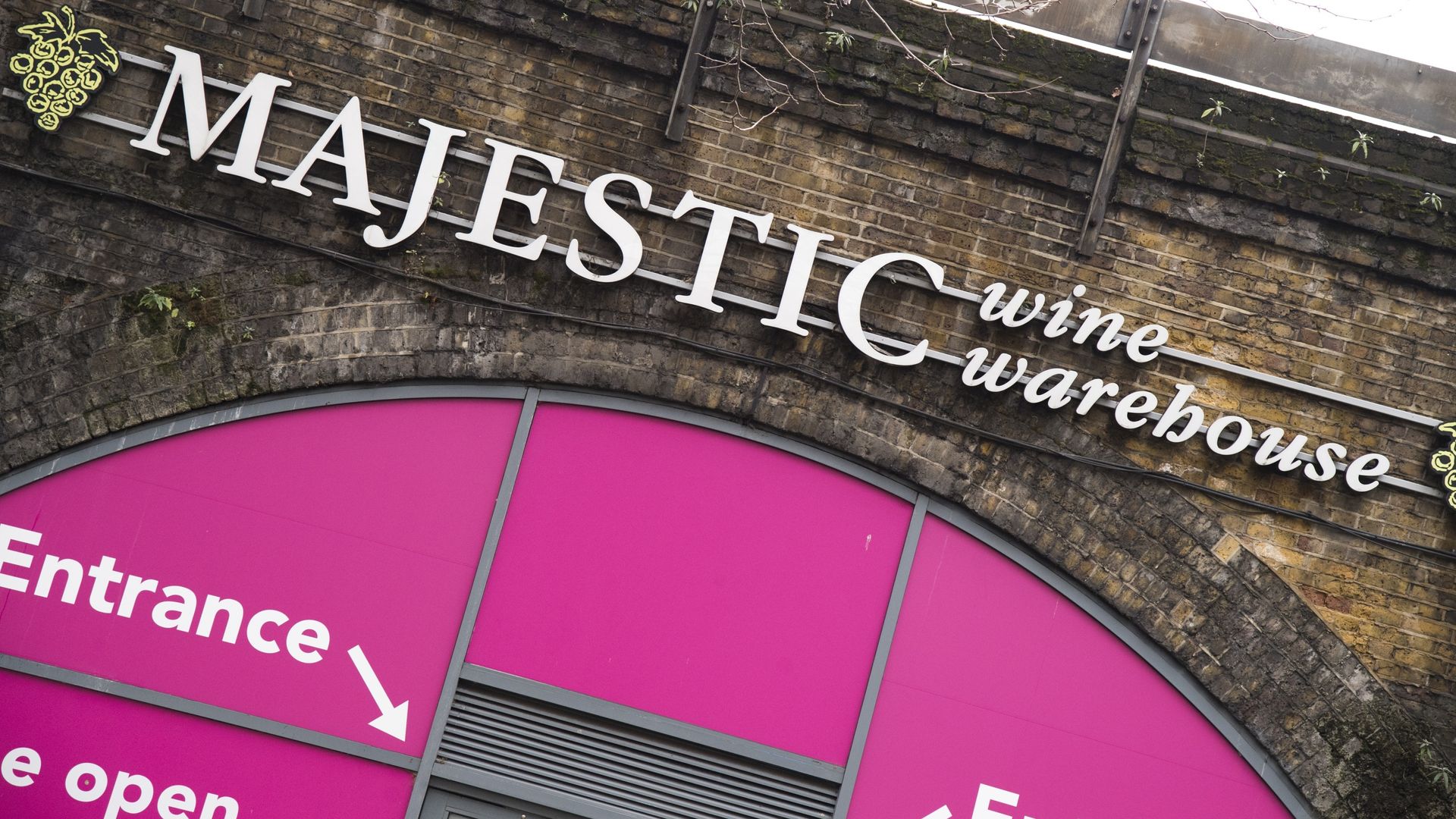
Big grocery is eyeing specialist retail again, and the stakes couldn't be higher. When private equity firm Fortress Investment Group put Majestic Wine Group on the block, everyone expected private equity or standard trade players to circle. Instead, supermarket behemoth Tesco waded into the mix. Then, the owner of Great Wines Direct threw their hat into the ring, creating an unexpected clash for Britain's largest specialist wine retailer.
If you think this is just about selling more bottles of Bordeaux, you're missing the bigger picture. This auction exposes how the UK drinks market is shifting under extreme margin pressure, changing consumer habits, and intense consolidation.
The Battle for Majestic Wine Explained
Majestic has spent decades carving out a niche that supermarkets traditionally struggle to dominate: expert in-store service, curated case discounts, and a hybrid wholesale model. Under Fortress Investment Group, the business weathered storm after storm, from supply chain crunches to fluctuating consumer spending.
Now, with Fortress looking to cash out, the auction has attracted an eclectic mix of bidders. Tesco's interest makes logical sense on paper. The grocery titan already commands a massive share of everyday wine sales through its core stores and Booker wholesale arm. Buying Majestic would instantly supercharge its premium credentials and specialist B2B reach.
Yet, independent operators aren't sitting quietly. The owner of Great Wines Direct stepping into the auction signals that smaller, agile online and independent players aren't willing to let supermarket giants swallow up remaining high-street wine infrastructure without a fight.
Why Supermarkets Want Specialist Wine Assets
Supermarkets love volume. They sell millions of bottles of sub-ten-pound house white every single week. But volume doesn't mean high margins, especially when inflation, rising business rates, and logistics costs squeeze operating profits.
Specialist wine retail operates on a different plane. Customers walking into Majestic or ordering from dedicated independent merchants typically look for curation, provenance, and guidance. They pay higher price points. By absorbing a brand like Majestic, a giant like Tesco could bridge the gap between mass-market convenience and high-end connoisseurship.
Independent challengers see a different risk. If a grocery monopoly gains control of the nation's premier specialist wine footprint, supplier relationships shift. Smaller vineyards and importers could find themselves facing even tighter distribution bottlenecks. That's precisely why independent owners are tracking this auction so closely and looking for ways to disrupt the process.
What This Means for Wine Buyers and Producers
If you buy wine in the UK, you might wonder if any of this matters to your Friday night bottle. It matters a lot.
Consolidation in retail usually leads to two things: tighter supply chains and homogenized shelving. When major supermarkets buy up specialized brands, commercial pressures often force a rationalization of stock. Rare vintages and boutique vineyards risk getting squeezed out in favor of high-volume lines that guarantee faster inventory turnover.
On the production side, winemakers rely on independent specialists to champion craft bottles that don't fit supermarket volume requirements. If Majestic falls under supermarket ownership, the ecosystem of independent British wine retail takes a heavy blow.
The Broader Retail Pressure Cooker
This auction isn't happening in a vacuum. High street retailers across the UK face brutal headwinds. Chancellor budget talks loom, sparking fears of fresh business rates raids. Consumer discretionary spending remains tight as households balance persistent utility and grocery inflation.
Retailers are desperately seeking scale to survive. That explains why consolidation rumors are swirling everywhere—from supermarket merger talks to aggressive corporate takeover bids. Companies either grow big enough to absorb regulatory and tax hits, or they get bought out.
The Majestic auction represents a flashpoint in this broader economic war. Whether Tesco secures the prize or independent challengers manage to derail the bid, the outcome will permanently alter how Britain buys wine. The days of quiet high-street wine merchanting are giving way to high-stakes corporate maneuvering. Keep an eye on how the bidding develops; it will set the tone for UK specialist retail for the next decade.