Diplomacy is usually a game of heavy-handed subtlety. Strict protocols dictate every handshake, every camera angle, and every whispered translation. Then Donald Trump happened to a White House tour.
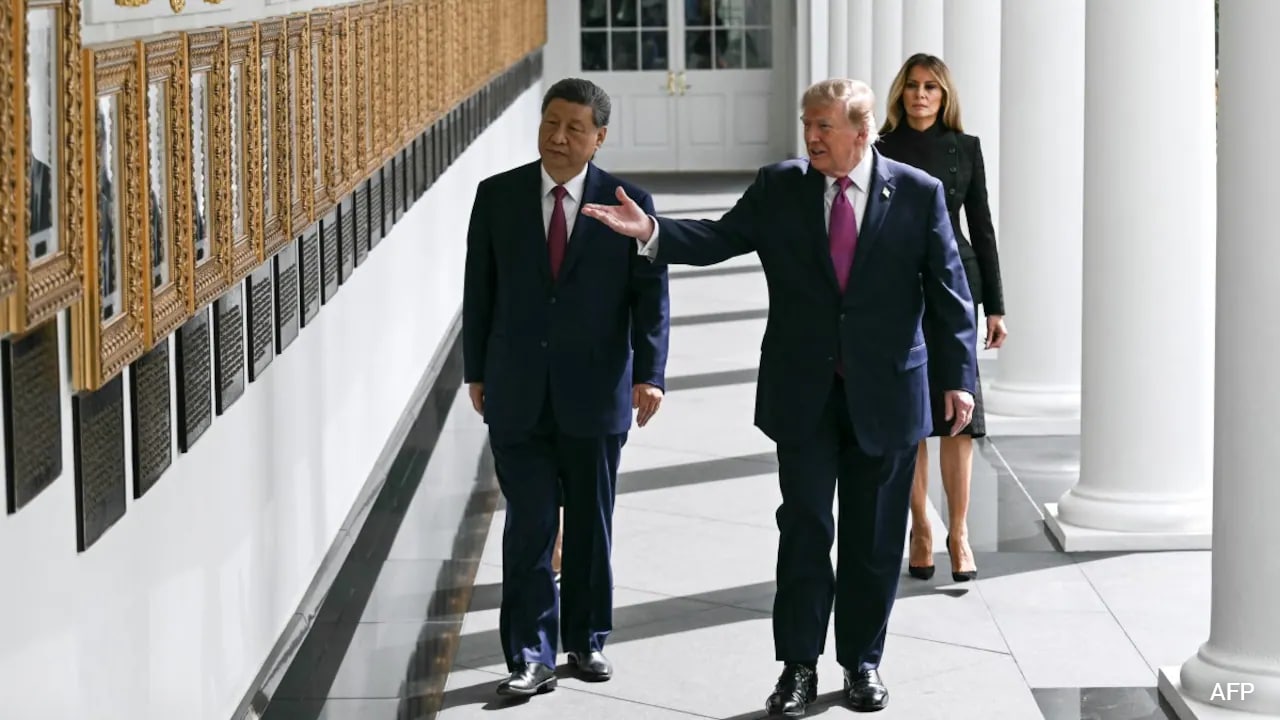
During a high-stakes state visit by Chinese President Xi Jinping, Trump turned a standard walk through the executive mansion into a viral roast. Standing on the Presidential Walk of Fame, Trump skipped a traditional presentation of art to target his favorite predecessor. He gestured toward his own portraits and then stopped at the space reserved for Joe Biden. Instead of a canvas painting, an autopen sat representing the former president. Xi Jinping burst into laughter. The internet fractured instantly.
Politics loves a spectacle, but this moment crossed traditional red lines in a hurry. You have a sitting American president cracking jokes about a past commander-in-chief alongside a foreign adversary. Critics called it un-American. Supporters called it hilarious.
Let's break down why this specific white house tour sparked an international firestorm and what it tells us about modern political theatre.
The Autopen Punchline Explained
What actually happened during that colonnade stroll? Trump walked Xi through the portraits of former commanders-in-chief, pointing out his own likenesses from two terms before stopping at Biden's spot.
"And, this is the autopen," Trump told Xi, tapping the Chinese leader on the arm. Xi laughed, and the White House social media team ran with the clip, posting it online with a laughing emoji.
The jab references years of accusations from Trump and his allies claiming Biden relied too heavily on an autopen—a mechanical signature device—to sign legislation and official memos. Biden consistently pushed back against these claims throughout his term. Replacing a traditional oil portrait with a literal piece of office machinery is a harsh visual gag, even by modern partisan standards.
Why Critics Are Furious
The backlash was immediate and fierce. Foreign policy veterans and domestic commentators didn't focus on the humor of the machine. They focused on the audience.
Former Democratic Representative John Delaney took to social media to call the episode the most un-American thing an American president has ever done. Gerard Butler, editor-at-large at The Wall Street Journal, labeled the move utterly disgusting. Political commentators like Alyssa Farah Griffin and former Trump White House aide Sarah Matthews echoed the sentiment.
Matthews pointed out the optics clearly. Mocking a former American leader directly in front of the leader of China doesn't project strength. It projects internal division to a geopolitical rival. When you air your domestic grievances to a competing superpower, you aren't just humiliating an opponent. You're giving an adversary a front-row seat to American instability.
The Counter-Perspective
On the flip side, Trump's defenders saw the moment as classic political disruption. Conservative media personalities and online commentators cheered the lack of filters.
New York Post columnist Miranda Devine responded with amusement, while political commentator Nick Sortor called the exchange the highlight of the day. To this crowd, modern politics demands authenticity, unfiltered personality, and a willingness to break institutional norms. They argue that Washington is far too stiff, and a dose of dark humor—even at the expense of a former president—beats hollow diplomatic pageantry every single time.
Xi's visit itself was already loaded with unusual pageantry. Trump welcomed the Chinese president at Joint Base Andrews with an airport greeting not extended to a secular foreign leader since 1962. Bilateral talks tackled major global pressure points like trade, AI regulations, and international security. Yet, an office machine stole the entire news cycle.
What This Means for Future Summits
State visits used to be boring affairs dominated by stiff press releases about trade deficits and tariff schedules. Today, every single second is content.
Trump understands modern media incentives better than almost anyone else in politics. He knew the autopen joke would dominate headlines, eclipsing dry policy discussions and forcing every major news network to replay the clip. Whether that strategy helps or hurts America's standing abroad depends entirely on who you ask.
Diplomacy requires a delicate balance of strength and unity. When domestic politics bleeds into international stagecraft, the lines between leadership and entertainment blur completely. We are living through an era where a joke about an office supply can trigger a constitutional debate about patriotism before breakfast.
Watch how future administrations handle their photo ops. The rulebook is gone.