If you want to understand why French politics is permanently on edge, look no further than the smoke rising outside high schools from Paris to Toulouse. Prime Minister Sébastien Lecornu is caught in a brutal trap. On one side, bond markets and the International Monetary Fund are screaming for fiscal discipline to slash a runaway public deficit down to 5%. On the other side, hundreds of thousands of students are hitting the streets, furious over underfunded schools, soaring living costs, and an economic squeeze that feels entirely stacked against them.
It is a high-stakes collision between cold financial math and raw social fury. And honestly, nobody has a clean playbook to fix it.
The Financial Pressure Cooker
Let us be completely real about the numbers. France is drowning in debt, and international lenders are losing patience. The IMF has bluntly told Paris to get its house in order. When global bond markets get jittery about a nation's spending, politicians panic because borrowing costs can skyrocket overnight.
That is why Lecornu’s government submitted a draft budget demanding aggressive spending cuts. Officials insist that public education spending hasn't technically dropped in the latest proposal, but critics point out the obvious: funding isn't keeping pace with inflation. When classrooms are overcrowded, supplies are scarce, and students feel like their futures are being traded away to appease credit rating agencies, they do not care about spreadsheet margins. They care about their daily reality.
When Protests Turn Volatile
What started as student walkouts and peaceful blockades over school conditions has devolved into deep civil chaos. Thousands of people have been arrested, hundreds of police officers and students have been injured, and shocking incidents—like a 15-year-old losing a hand in an encounter involving a police stun grenade—have inflamed national anger.
The government claims security forces don't have orders to brutalize protesters, but the images coming out of these demonstrations tell a different story. Interior Minister Laurent Nunez moved to suspend the use of stun grenades at student rallies, but that concession feels too little, too late for many families. Parents are terrified to send their kids to school, and young people feel entirely abandoned by a political class that views them as an administrative line item.
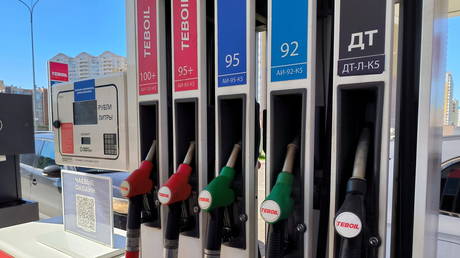
To add fuel to the fire, everyday citizens are getting crushed by energy costs. Lecornu recently announced the release of 10 million barrels of national diesel reserves to drop pump prices by roughly 12 to 18 euro cents per liter over three months. It is an attempt to throw a wet blanket on broader working-class anger, but it remains to be seen if a temporary fuel subsidy can pacify a population that is fundamentally exhausted by high taxes and stagnant purchasing power.
What Happens Next
You cannot solve a structural economic crisis with police batons, nor can you ignore a 5% deficit target just to make everyone happy today. France is staring down a grueling political stalemate. If the government caves on debt reduction, the bond markets will punish the country. If the government holds firm on spending cuts, the streets will stay blocked, schools will remain shuttered, and the political fallout will define the upcoming presidential election cycle.
The real takeaway here is simple. Economic austerity without a credible social safety valve is a recipe for revolution. Lecornu has promised to listen to student grievances, but listening doesn't pay for classroom repairs or lower the cost of living. Until Paris figures out how to balance its checkbook without crushing its youth, the barricades aren't going anywhere.