An ocean is a big place. Crossing it takes immense power, precision, or sheer stubborn luck. Ask the Mayo County Council in northwestern Ireland. They recently found an unexpected visitor resting on the rugged shores of Achill Island.
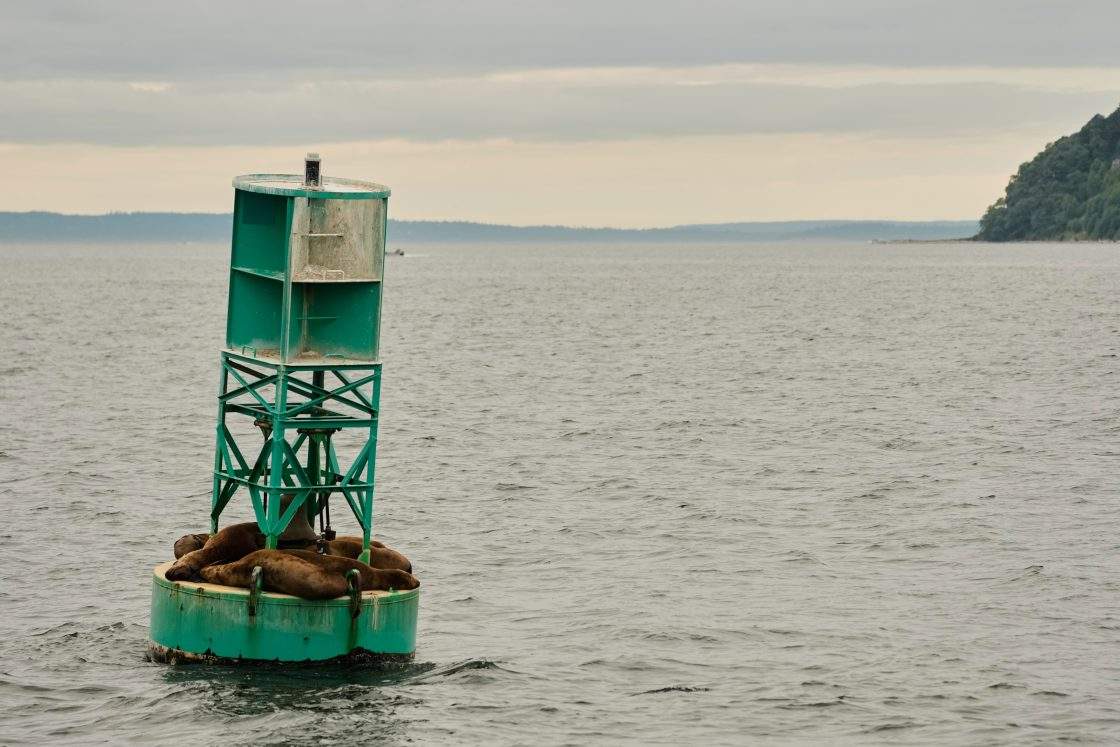
It wasn't a lost sailor or a message in a bottle. It was a massive 3.5-tonne marine navigation marker belonging to Canada.
How does a multi-tonne steel monolith travel thousands of kilometers across the North Atlantic without a crew? Ocean currents do the heavy lifting. The North Atlantic Drift acts like an aquatic conveyor belt, pulling objects from North America right toward the western coasts of Europe. Marine debris, lost shipping containers, and occasionally stray navigational aids make this transoceanic voyage more often than you might think.
Mayo County Council officials received word from the Canadian Coast Guard that their floating hardware tends to wander. These heavy-duty buoys are built to withstand punishing Arctic gales, towering waves, and relentless salt spray. Yet, when a mooring line snaps or a severe storm tears a marker from its anchor chain, the North Atlantic takes over.
The Journey of a Stray Marine Marker
Floating across an ocean takes months. Along the way, the Canadian buoy faced freezing temperatures, intense pressure, and pounding swells.
These heavy markers aren't just empty steel drums. They carry solar-powered navigation lights and specialized equipment designed to emit distinctive wave-powered whistling sounds. They warn passing cargo ships away from shallow reefs and rocky shoals. Without its anchor, this particular sentinel turned into an unguided drifter, riding the Gulf Stream and North Atlantic current all the way to County Mayo.
Local authorities quickly realized they had a safety issue on their hands. A 3.5-tonne steel hazard resting on a public beach can't stay put. It poses a real threat to local fishing vessels, coastal infrastructure, and unsuspecting beachgoers if it breaks free again and drifts into local channels.
The Irish Response and the Ransom Joke
Irish officials handled the bizarre delivery with characteristic humor. While coordinating with Canadian authorities for recovery operations, the local council issued a tongue-in-cheek statement.
If Canada wants its stray navigation gear back, officials joked that someone from across the pond better make a special trip to the west of Ireland to collect it. It is a lighthearted nod to the deep historical ties connecting Mayo County to Canada through generations of historic emigration.
Beyond the joke, the logistics of retrieving a 3.5-tonne object from a remote island shore are tough. Heavy machinery, flatbed trucks, and local crane operators are required to safely hoist the heavy marker off the sand without damaging the local environment.
Marine artifacts washing ashore offer a rare glimpse into the sheer scale of global ocean currents. Next time you drop something in the water, remember it just might end up a few thousand miles away.