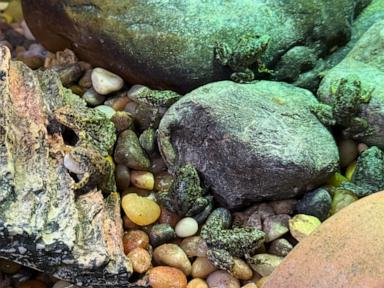
If you think saving an endangered species is just about putting up fences and writing laws, look at the mountain yellow-legged frog. This tiny amphibian is fighting for its life in Southern California streams, and its survival depends entirely on high-tech nurseries and round-the-clock human intervention.
Right now, inside the Aquarium of the Pacific and partner institutions like the Los Angeles Zoo and San Diego Zoo, hundreds of ravenous tadpoles are eating four to five times a day. They are gearing up for a high-stakes transition from water-bound larvae to wild predators. Without these specialized facilities, these frogs wouldn't stand a chance.
Why the Mountain Yellow Legged Frog is on the Brink
The threats facing these frogs didn't happen overnight. Back in the late 1800s, recreational fishing enthusiasts introduced nonnative trout into high-altitude mountain streams. These fish found mountain yellow-legged frog tadpoles to be an easy snack, decimating populations across their native ranges.
Then came the double-whammy of deadly disease and catastrophic climate disasters. Chytrid fungus, a pathogen responsible for wiping out hundreds of amphibian species worldwide, tore through wild populations. To make matters worse, the devastating 2020 Bobcat Fire incinerated roughly 95 percent of the frog's remaining habitat in the region. Subsequent heavy rainstorms turned scorched earth into massive mudslides, choking natural waterways with ash and debris.
Scientists managed to rescue a small handful of survivors from the wreckage. Those survivors became the blueprint for today's extensive breeding and headstarting network.
Inside the High Stakes Nursery Operations
Raising endangered amphibians isn't for the faint of heart. Institutions like the Aquarium of the Pacific take over the delicate metamorphosis phase, managing shipments of hundreds of tadpoles bred at facilities like the San Diego Zoo and Los Angeles Zoo.
When a shipment of nearly 500 tadpoles arrives, aquarists separate them based on subtle genetic lineages—some sourced from the San Jacinto Mountains, others from the San Bernardino Mountains. Keeping these lines distinct is critical to preserving genetic diversity once they're released back into the wild.
At this stage, care is relentless. The tadpoles eat voraciously, demanding constant feeding cycles to fuel their rapid transformation. Yet, despite being raised in human care, their wild instincts remain fully intact.
Conservationists note that the moment these animals hit the wild, instinct takes over completely. During a past release event, staff watched a newly transformed frog leap from its transport container, land on a rock, and immediately snap up a passing housefly it had never encountered before. Frogs just know how to be frogs, provided they get a safe start.
The Power of Collaborative Conservation
Saving a species requires a massive web of organizations working in lockstep. The Southern Mountain Yellow-Legged Frog Recovery Program operates under the leadership of the U.S. Geological Survey alongside the U.S. Forest Service, U.S. Fish and Wildlife Service, and the California Department of Fish and Wildlife.
Zoos and aquariums across the region share the load. The Los Angeles Zoo features a dedicated bio-secure amphibian headstarting facility that has bred thousands of frogs for reintroduction. Facilities like the Santa Ana Zoo, Big Bear Alpine Zoo, and Birch Aquarium also step in to house and rear batches before they face the elements.
Efforts are clearly paying off. The multi-institution partnership has successfully funneled thousands of zoo-bred frogs back into restored Southern California streams.
If you want to support these recovery efforts, look into local conservation programs, visit educational exhibits like the LAIR at the Los Angeles Zoo to understand the plight of native amphibians, or back habitat restoration initiatives protecting local watersheds. Every protected stream brings these yellow-legged survivors one step closer to self-sustaining populations in the wild.