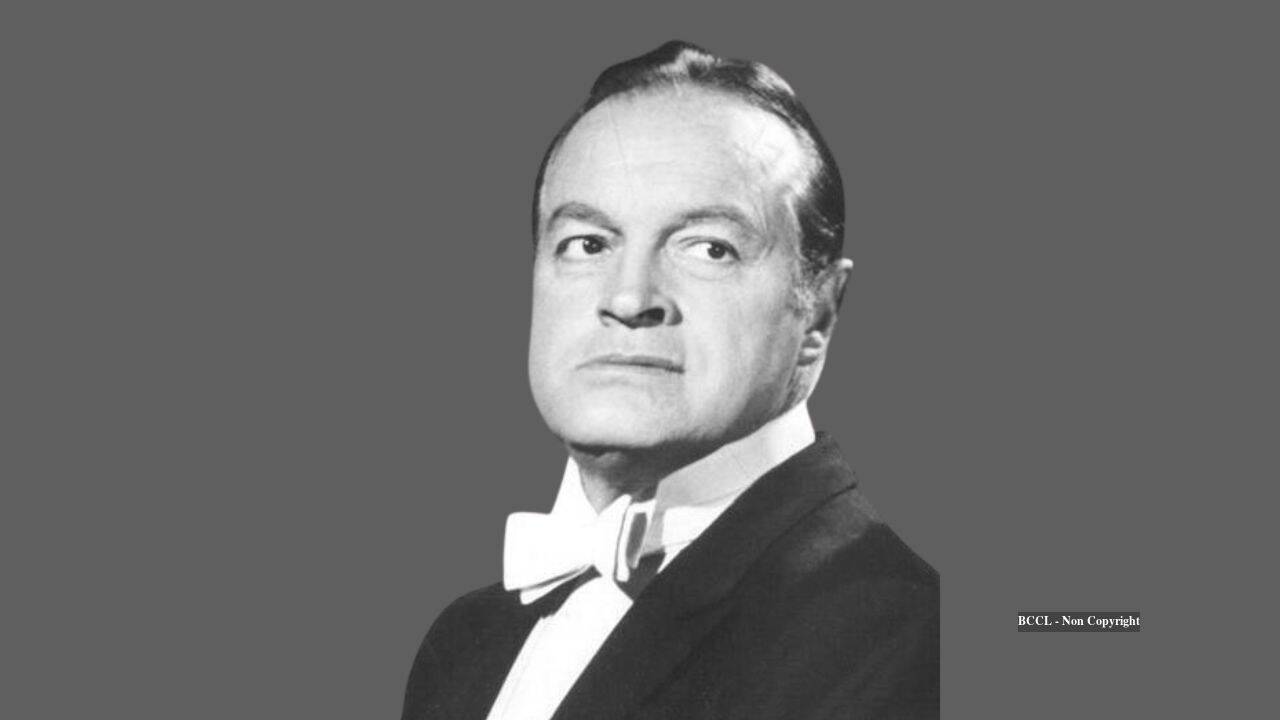
Celebrities buy land to build gated empires or private compounds. Bob Hope took a radically different path. In 1993, the legendary entertainer handed over his massive 2,308-acre Jordan Ranch in eastern Ventura County to the National Park Service for $16.7 million. That single transaction stopped luxury housing developments and a championship golf course in their tracks, permanently converting gorgeous Simi Hills terrain into federal parkland.
If you've ever hiked through the Santa Monica Mountains and wondered how massive swaths of oak-studded canyons escaped suburban sprawl, you're looking at the direct fallout of a high-stakes conservation chess game played out in the early nineties.
The Battle Over Jordan Ranch and the Simi Hills
Before federal park rangers set up camp, Jordan Ranch was prime real estate waiting for an excavator. Developers had aggressive plans to transform the property into upscale residences and a world-class golf layout. The land itself spans Palo Comado Canyon and China Flat, featuring dramatic ridgelines, sweeping grassy meadows, and crucial wildlife corridors linking Simi Valley straight down to the Pacific Ocean.
When the National Park Service stepped in with a $16.7 million purchase price, it wasn't just buying dirt. It was locking down a vital ecological puzzle piece. The acquisition bumped the Santa Monica Mountains National Recreation Area's protected footprint to roughly 20,400 acres. Overnight, private territory turned into a public playground for hikers, mountain bikers, and equestrians.
Why the Sale Was Part of a Much Larger Puzzle
This transaction didn't happen in a vacuum. Bob Hope owned staggering amounts of land across Southern California during this era, making him one of the largest private landowners in the entire recreation area.
Years of tense, back-and-forth negotiations preceded the 1993 deal. Officials scrambled against ticking clocks to secure federal funds before expiration dates hit. Joseph T. Edmiston, executive director of the Santa Monica Mountains Conservancy, quarterbacked much of the effort.
The Jordan Ranch agreement tied directly into broader regional planning battles, including contentious proposals like the massive Ahmanson Ranch development project. State and local authorities conditioned major housing approvals on Hope transferring other massive mountain parcels—such as Runkle Ranch and Corral Canyon—into public hands.
What the Landscape Looks Like Today
Decades after the ink dried on the 1993 contract, the impact is obvious. Jordan Ranch operates as a core component of the Cheeseboro and Palo Comado Canyons Park section. Deer, bobcats, and other native wildlife still rely on these uninterrupted migration corridors.
Bob Hope also threw in a 360-acre Conejo Valley land donation that became the Hope Nature Preserve. While the comedian made his fortune telling jokes on stage and screen, his real estate footprint left a permanent, green legacy across Southern California topography.
Next time you hit the trails in the Simi Hills, remember what could have been. Instead of fairway greens and luxury driveways, you're walking across land saved by a celebrity land deal that reshaped American conservation history.



