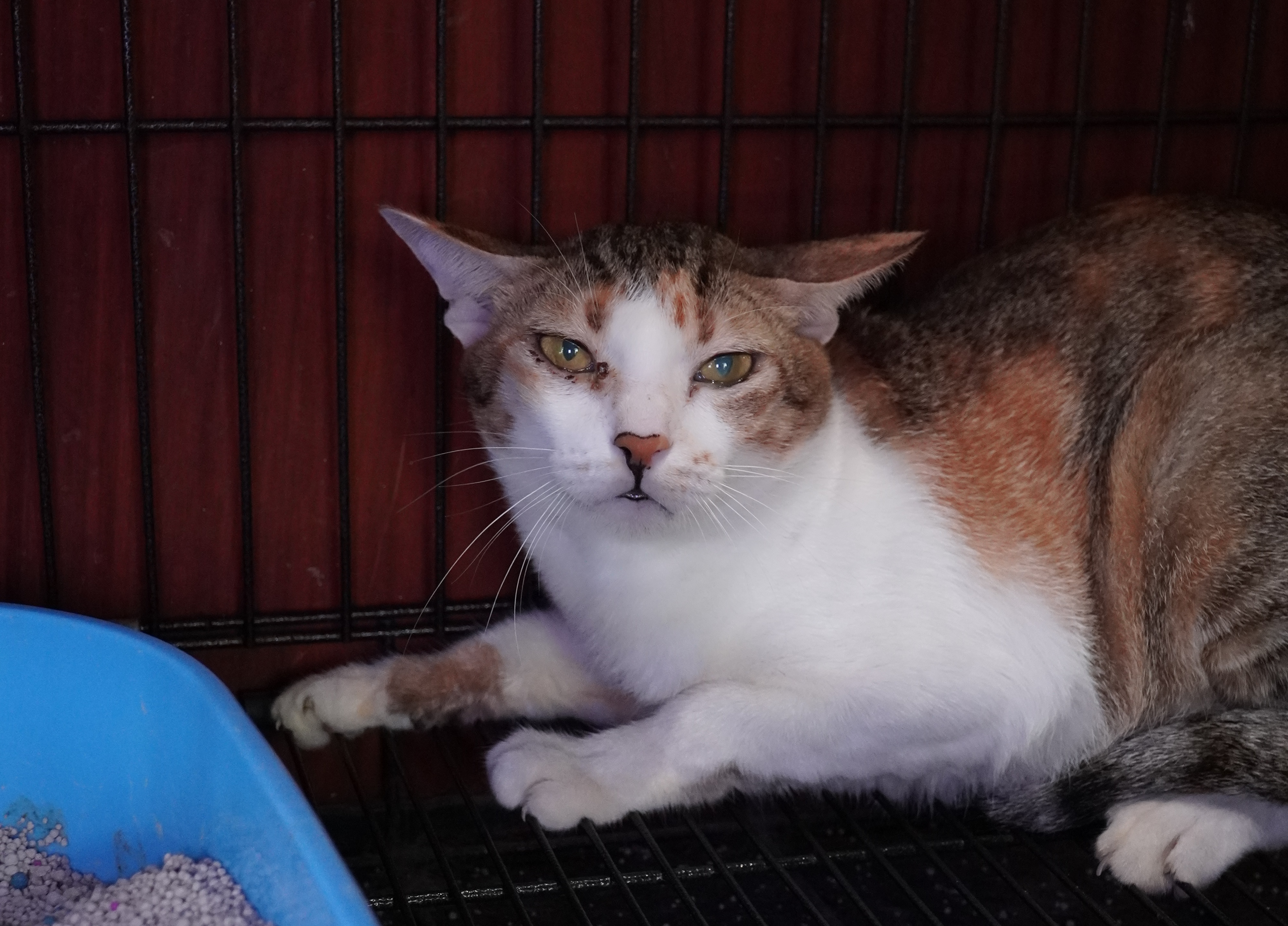
Midnight prowlers don't just target electronics or motorbikes in urban Vietnam anymore. Law enforcement in Ho Chi Minh City recently shattered a massive underground network, arresting 12 men accused of operating a systematic operation that targeted neighborhood pets under the cover of darkness.
If you've been following urban crime trends in Southeast Asia, this bust highlights an ongoing battle over pet security, property laws, and a commercial food trade that operates in a complex legal gray area. Investigators state that the syndicate stole and trafficked roughly 2,700 cats of various breeds, reselling them into local food supply chains.
The Anatomy of a Midnight Cat Theft Operation
Operating in densely populated neighborhoods requires stealth and specialized gear. According to police reports, the 12 suspects didn't just wander around hoping to spot a stray. They used custom traps, measuring scales, and fur removal equipment, treating pet abduction like an industrial logistics chain.
The suspected ringleader, identified as 39-year-old Liu Tang Bing, allegedly ran a central collection point in Thua An District. Stolen pets from across Ho Chi Minh City were funneled through this hub. Some were scooped directly off residential streets where outdoor-access pets roamed, while others were sourced from independent petty thieves looking for a quick cash payout.
Under Vietnamese law, domestic cats and dogs are legally classified as private property. That distinction is crucial. Stealing property valued above 2 million dong (roughly $77 USD) triggers criminal prosecution rather than a minor civil infraction or administrative fine. Because many domestic pets—especially purebreds or well-fed community cats—surpass that monetary threshold, the suspects face serious property theft charges.
The Legal and Cultural Reality of the Pet Meat Trade
Consuming cat and dog meat is legal in Vietnam, but that legality comes with strict regulatory guardrails that restaurants and suppliers frequently ignore. Vendors are legally required to produce documentation proving the origin of the animals they slaughter and serve.
Midnight syndicates exist precisely because obtaining certified, farm-raised, or legally imported animals is expensive and bureaucratic. Stealing pets allows criminal networks to undercut market prices. Stolen cats reportedly fetch at least 70,000 dong ($2.70) per kilogram at certain establishments, creating a lucrative underground economy fueled by street-level theft.
Public sentiment, however, is shifting rapidly. Activism against the dog and cat meat trade has surged over recent years. In 2024, more than 250,000 people signed public petitions demanding legislative bans or stricter enforcement. Historic cultural hubs like Hoi An made official pledges to phase out the sale of dog and cat meat entirely, reflecting a generational change in how urban residents view companion animals.
Crackdowns and What Happens to Recovered Pets
This recent bust isn't an isolated incident. Law enforcement agencies across southern Vietnam have ramped up raids against illegal animal trafficking rings. Earlier this year, Ho Chi Minh City police detained 18 suspects tied to two separate underground cat-stealing networks. In another major operation, authorities rescued over 400 cats, though tragic discoveries of dead animals packed in ice highlighted the brutal nature of the trade.
When police execute these raids, returning animals to their rightful owners proves logistically difficult. Microchipping pets remains uncommon for outdoor or free-roaming cats in many Vietnamese neighborhoods. During recent operations, authorities managed to reunite a fraction of the rescued animals—such as 13 cats in one specific raid—with grieving owners. The remaining animals are typically placed in the care of local animal rights nonprofits while officials appeal for identification.
Pet owners in major Vietnamese cities have increasingly kept their animals strictly indoors, installing security cameras and double-locking gates to deter prowlers.
If you own a cat in an urban area with outdoor access, reliance on traditional neighborhood safety is no longer enough. Microchipping, indoor enrichment, and secure enclosure systems offer the only reliable defense against professional theft rings. Protect your pets before opportunistic thieves make them a target.