If you've ever spent an hour crawling through Kowloon traffic just to get from West Kowloon to Tseung Kwan O, you know the daily pain of Hong Kong's congested east-west corridors. That gridlock is about to change permanently. The full commissioning of Route 6 is here, slashing travel times across the peninsula and linking Yau Ma Tei directly to Tseung Kwan O in a fraction of the usual time.
Transport minister Mable Chan confirmed that the final stretch of the Central Kowloon Bypass—the Kowloon Bay section—opens to traffic on December 6. Following the rollout of the Yau Ma Tei section in late 2025 and the Tseung Kwan O–Lam Tin Tunnel in December 2022, this final piece completes the multi-billion-dollar puzzle. Total transit time drops from a grueling 65 minutes down to just 12 minutes.
The Anatomy of Route 6
Route 6 isn't just another road project. It's a high-priority trunk route designed to relieve decades of chronic congestion across Kowloon's major east-west arteries.
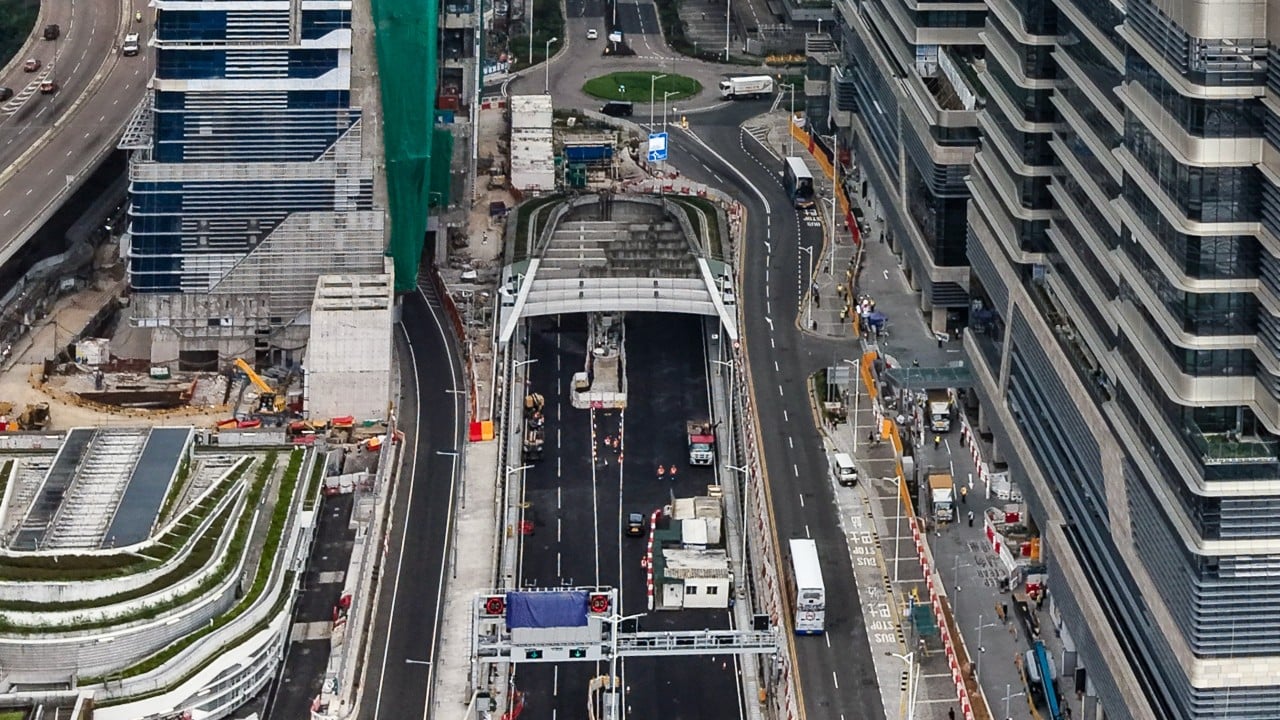
The corridor links the Yau Ma Tei Interchange in west Kowloon straight through to the eastern road network at Kai Tak and Lam Tin, terminating in Tseung Kwan O. The final piece opening this December involves complex underwater tunneling and extensive electrical and mechanical safety testing. Authorities have spent recent months running rigorous fire safety inspections and traffic control simulations to ensure everything runs smoothly from day one. Related reporting on this trend has been provided by Associated Press.
When you look at the numbers, the engineering feat becomes clear. The Central Kowloon Bypass alone spans roughly 4.7 kilometers, featuring deep underground tunnels, ventilation buildings, and massive structural reconfigurations like the reprovisioning of the Gascoigne Road flyover.
Why Commuters Should Care
For everyday drivers and public transport users, the time savings are massive. Shaving 53 minutes off a peak-hour cross-Kowloon journey alters daily life for thousands of workers.
Before this infrastructure came together, motorists relied heavily on older routes like the crowded Tseung Kwan O Tunnel or surface streets choked with local traffic. Bottlenecks around Kwun Tong and West Kowloon created daily frustration. Route 6 bypasses these traditional choke points entirely.
If you commute from LOHAS Park or other parts of Tseung Kwan O toward western Kowloon, your morning routine is getting a massive upgrade. Buses and private vehicles alike can now zip through subterranean links without hitting local stoplights.
Overcoming Engineering Hurdles
Building a major highway through one of the densest urban environments on earth is never simple. Crews faced immense structural challenges during construction, particularly around Yau Ma Tei and Kowloon Bay.
Engineers had to use computer-synchronized hydraulic jacking systems to temporarily lift and transfer loads for existing flyovers while excavating massive access shafts underneath. In Kowloon Bay, builders constructed temporary marine platforms and cofferdams for underwater tunneling before restoring the seabed.
These aren't just technical footnotes. They explain why the project took years of painstaking labor and careful neighborhood coordination. Protecting local communities from noise, dust, and structural disruption required continuous monitoring and precise execution.
What Happens Next on the Road
With Route 6 fully open, transport planners expect a major shift in traffic distribution across Kowloon. Expect local authorities to monitor junction performance closely during the initial weeks to iron out any merging hiccups near the Kai Tak and Lam Tin interchanges.
If you drive the route, keep an eye on new lane markings and updated signage as traffic patterns adjust to the new expressway feeds. Plan your daily departure times around the new 12-minute baseline and enjoy the reclaimed hours in your day.