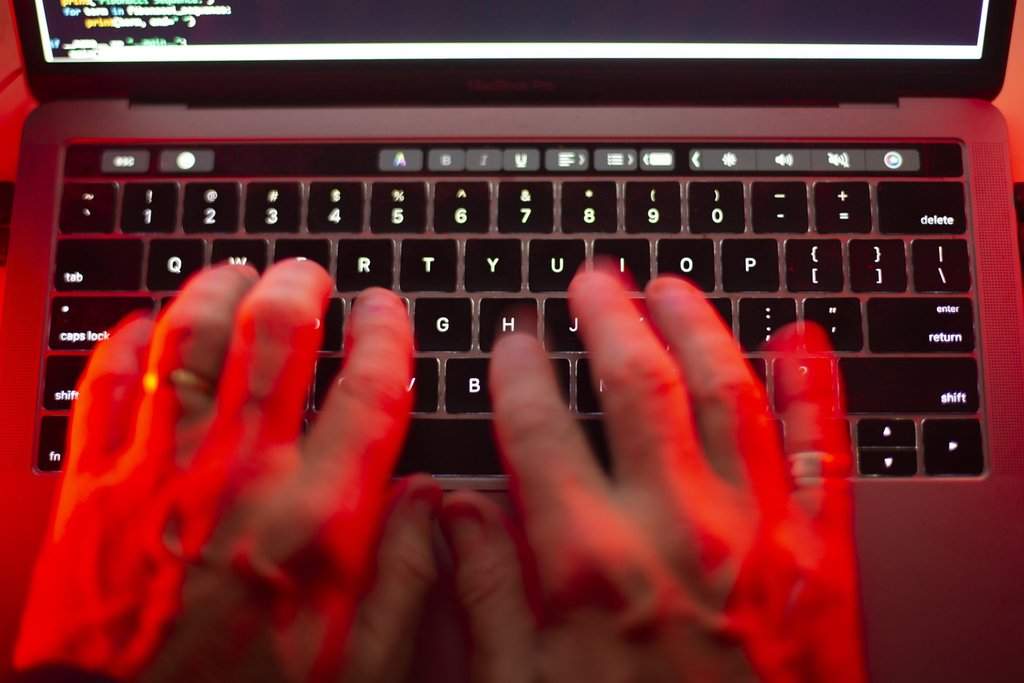
The screen glows in a dark bedroom. To a parent down the hall, it looks like a teenager playing video games or chatting with school friends. Behind that glowing monitor, a coordinated network of online predators is actively grooming a minor into committing real-world acts of violence and terror.
This isn't dystopian fiction. It's happening right now in Canadian communities.
A Saskatchewan teenager was recently arrested and hit with severe terrorism-related charges linked to the notorious online entity known as the 764 network. The RCMP’s Integrated National Security Enforcement Team stepped in after a tip pointed to a Telegram user posting videos of real-world extremist activity. Investigators traced the digital footprint straight to Saskatchewan, resulting in charges that include participation in terrorist activity, facilitation, and commission of an offence for a terrorist group under Canada’s Criminal Code.
The suspect was remanded into custody, heading for a court appearance in Yorkton. But locking up one teenager doesn't solve the wider issue. It exposes a terrifying pipeline that sucks vulnerable kids into dark corners of the internet.
What is the 764 Network and Why Parents Should Panic
The federal government designated the 764 network as a terrorist entity in December 2025. Unlike traditional political or religious extremist groups with clear ideological agendas, 764 functions more like a digital cult of violence.
They operate on mainstream platforms kids use every day. You'll find them lurking on Discord, Telegram, Roblox, and Minecraft. They don't start by preaching radical politics. They slide into direct messages or gaming lobbies, target isolated or moody youth, and slowly drag them down a rabbit hole.
The progression is calculated and horrific. Police investigations across Canada show that these groups coerce young people into participating in severe acts. We are talking about child sexual abuse, extreme self-harm, and the torture of animals. Members record these acts, share them in encrypted chatrooms as badges of loyalty, and use blackmail to keep kids trapped in the cycle.
When a teenager in Saskatchewan or Lethbridge gets arrested for terrorism offences tied to this group, people act surprised. They wonder how a kid from a quiet prairie town ends up tied to global terror. The internet erased geographic boundaries. A kid sitting in a basement in Yorkton has the exact same access to violent online subcultures as someone in a major global metropolis.
The Warning Signs Most Families Miss
Parents can't monitor every single second their kids spend online. Encryption and disappearing messages make complete surveillance impossible anyway. You have to watch the behavior in the physical world.
Law enforcement and child advocates point to specific red flags that indicate a young person is sinking into dangerous online spaces:
- Sudden behavioral shifts: Becoming excessively moody, defensive, or constantly on edge whenever a phone or laptop is nearby.
- Extreme isolation: Pulling away from family meals, dropping out of sports or extracurriculars, and spending all night locked behind a closed bedroom door.
- Academic decline: A sudden, unexplained drop in grades and a total loss of interest in school performance.
- Secrecy around devices: Rapidly switching tabs, hiding screens when someone walks past, or deleting apps the moment a parent gets close.
If you spot these changes, brushing them off as typical teenage angst is a massive mistake. Talk to your kids. Ask hard questions about who they're talking to in those private Discord servers or gaming chats.
The Broader Canadian Crackdown
This Saskatchewan arrest isn't an isolated incident. Law enforcement agencies across the country are scrambling to catch up to an escalating wave of youth radicalization.
Earlier this year, a 17-year-old in Lethbridge faced similar terrorism and child exploitation charges connected to the exact same network. Last year, an Edmonton-area teen was arrested for planning offenses tied to 764. It stretches beyond teenagers, too. Police picked up a 26-year-old man in Quebec City for running a Telegram channel that pushed the group's violent ideology and tried to recruit new members.
The RCMP and INSET units are working overtime to track these digital chatrooms, but they can't be everywhere. The decentralized nature of these groups means new channels pop up the second old ones get taken down.
Protecting kids requires more than police crackdowns and legal designations. It demands honest conversations inside homes about the dark underbelly of online gaming and social media. Check the apps your kids use. Pay attention when their mood shifts overnight.
If you suspect someone is being groomed or coerced by extremist groups online, report it to local police immediately. Don't wait for it to escalate.