The post-Roe landscape in America has hit a high-stakes constitutional collision. Three Republican-led states—Alabama, Arkansas, and Louisiana—have taken a direct swing at three Democratic-led states—California, Massachusetts, and New York—by filing a sweeping lawsuit straight to the U.S. Supreme Court.
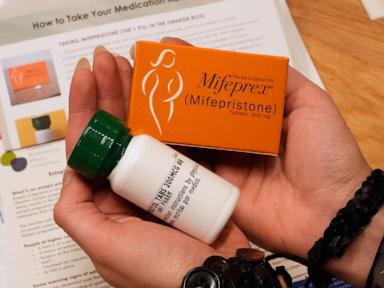
At the center of this battle are abortion shield laws. These blue-state legal protections allow doctors, telehealth providers, and mail-order pharmacies within their borders to ship abortion pills into states where abortion remains banned or heavily restricted, all without fear of local prosecution or extradition.
Red states argue these laws act as aggressive swords rather than defensive shields, actively dismantling local abortion bans. Meanwhile, blue states view them as essential lifelines to protect fundamental health care access across state lines. This clash is reshaping federalism, digital healthcare, and the limits of state sovereignty.
Why Red States Are Taking This to the Highest Court
The legal mechanism behind the Republican strategy relies on asking the Supreme Court to exercise its original jurisdiction—a rare path reserved for disputes directly between states. Attorneys general leading the charge, such as Louisiana's Liz Murrill, argue that shield laws violate constitutional principles of federalism by letting one state dictate or override the criminal laws of another.
Pro-life states claim the numbers are staggering. According to recent estimates cited in the legal filings, mail-order abortion pills arriving from shield-law states account for roughly 2,000 unauthorized medication abortions every month across Louisiana, Arkansas, and Alabama combined.
State leaders argue these virtual clinics and out-of-state providers bypass local democratic processes. When an Alabama or Louisiana resident orders pills via telehealth from a practitioner in New York or California, the local bans are rendered toothless in practice. Red states want the high court to rule that states cannot legally harbor or protect actors who violate neighboring penal codes.
The Counter-Perspective and Shield Law Protections
Democratic-led states built these legislative walls immediately after the Supreme Court overturned Roe v. Wade. Lawmakers in places like California, Massachusetts, and New York realized that telehealth and mail delivery could bridge the gap for patients trapped in restrictive states.
Governors and attorneys general in those states have vowed to defend the statutes fiercely. They argue that healthcare providers licensed within their borders have a right to practice telemedicine and ship legal medications nationwide. When local authorities or out-of-state prosecutors attempt to extradite or punish doctors—such as the recent high-profile clash involving a New York doctor indicted by a Louisiana grand jury—shield laws step in to block cooperation, subpoena compliance, and extradition.
Supporters of reproductive rights point out that medication abortion via telehealth has become a dominant mode of care, making up roughly one-third of all abortions nationwide. For patients in the South and Midwest, these mail-order networks remain the primary avenue to access care safely.
What Happens Next in the Legal War
The Supreme Court now faces a monumental choice. First, the justices must decide whether to hear the case under original jurisdiction. If they accept it, the ruling could completely redefine interstate commerce, medical licensing, and the power of states to enforce criminal laws beyond their geographic borders.
Parallel to the Supreme Court petition, related federal lawsuits are moving through lower courts, targeting specific abortion pill suppliers and nonprofits. No matter how the high court rules on this initial filing, the modern reality of digital healthcare and mail-order prescriptions ensures that the boundary lines between pro-choice and anti-abortion states will remain fiercely contested for years.