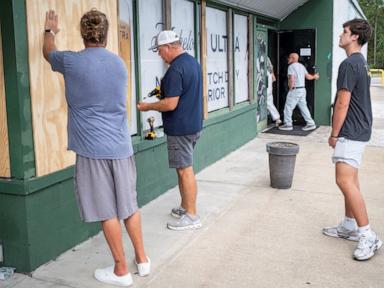
When a major storm forms in the Gulf, panic usually sets in fast. Hurricane Isaias shifted northwest, putting the northern Gulf Coast and the Florida Panhandle right in the crosshairs. If you live along the coast from Pensacola to Panama City, you don't have time to second-guess your emergency supplies. Storm surges, flooding rains, and damaging winds change everything in a matter of hours.
Let's look at what actually happens on the ground when a Category 2 system approaches. Winds reach up to 105 mph. Power grids fail. Evacuation routes clog up within minutes.
Understanding the Track and Intensity
Meteorologists track every shift in pressure and wind shear. Isaias gained strength over warm Gulf waters, surprising some forecasters with rapid intensification. Warm water fuels these systems. When atmospheric conditions align, a tropical disturbance transforms into a powerful hurricane overnight.
Most people wait too long to act. They watch the weather channel, see the cone of uncertainty, and assume the storm will veer away at the last second. That gamble costs lives and property every single year.
Why the Florida Panhandle is Vulnerable
The geography of the Panhandle makes it uniquely susceptible to storm surge. Shallow coastal waters allow high winds to push massive walls of water inland. Communities along the coast face rapid inundation.
- Low-lying roads flood within hours of high tide.
- Trees with saturated root systems topple easily, taking down power lines.
- Bridges close early as wind speeds cross safe driving thresholds.
Practical Steps to Take Right Now
Preparation isn't just about buying bottled water at the last minute. It requires a systematic approach to protecting your home and family.
First, secure loose outdoor objects. Patio furniture, potted plants, and garbage cans become lethal projectiles in 100-mph winds. Bring them inside your garage or home immediately.
Second, fill your vehicle's gas tank and park it facing out of your driveway. Evacuating becomes a nightmare if you're trapped behind dead traffic lights or blocked by downed timber. Keep emergency cash on hand because credit card readers stop working when the power grid goes down for days or weeks.
Third, stockpile enough non-perishable food and water for at least three days. The rule of thumb is one gallon of water per person per day. Don't forget medications, pet supplies, and battery-powered chargers.
The Reality of Post-Storm Recovery
Once the eye passes, the danger doesn't magically vanish. Downed power lines hide in standing water. Flash floods catch drivers off guard. Carbon monoxide poisoning spikes because people run generators too close to windows and doors.
Plan for extended isolation. Municipal services take time to clear debris and restore electricity. If mandatory evacuation orders are issued for your zone, leave. Staying behind means putting first responders at risk if you need emergency rescue.
Take the threat seriously. Check your insurance policies, secure your property, and keep your family safe before the bands arrive.
LIVE: Tracking Hurricane Isaias | The latest maps and models
This video provides real-time tracking updates, maps, and meteorologist analysis for Hurricane Isaias as it approaches the Gulf Coast.
http://googleusercontent.com/youtube_content/1