Twenty-two years is a long time to live with a blank space where an answer should be. For the family of Frank Davis, that silence ended beneath the murky currents of the Kootenay River.
When a 40-year-old man vanishes from Creston, British Columbia, in 2004, the trail usually goes cold fast. Police search, families panic, leads dry up, and daily life resumes for everyone except the people left behind. Decades pass. Parents pass away without ever knowing what happened to their child. Young children grow into adults with only faded photographs and ghost stories.
That was the reality for the Davis family until a specialized volunteer dive team showed up with sonar and absolute determination.
The Power of Civilian Search Teams
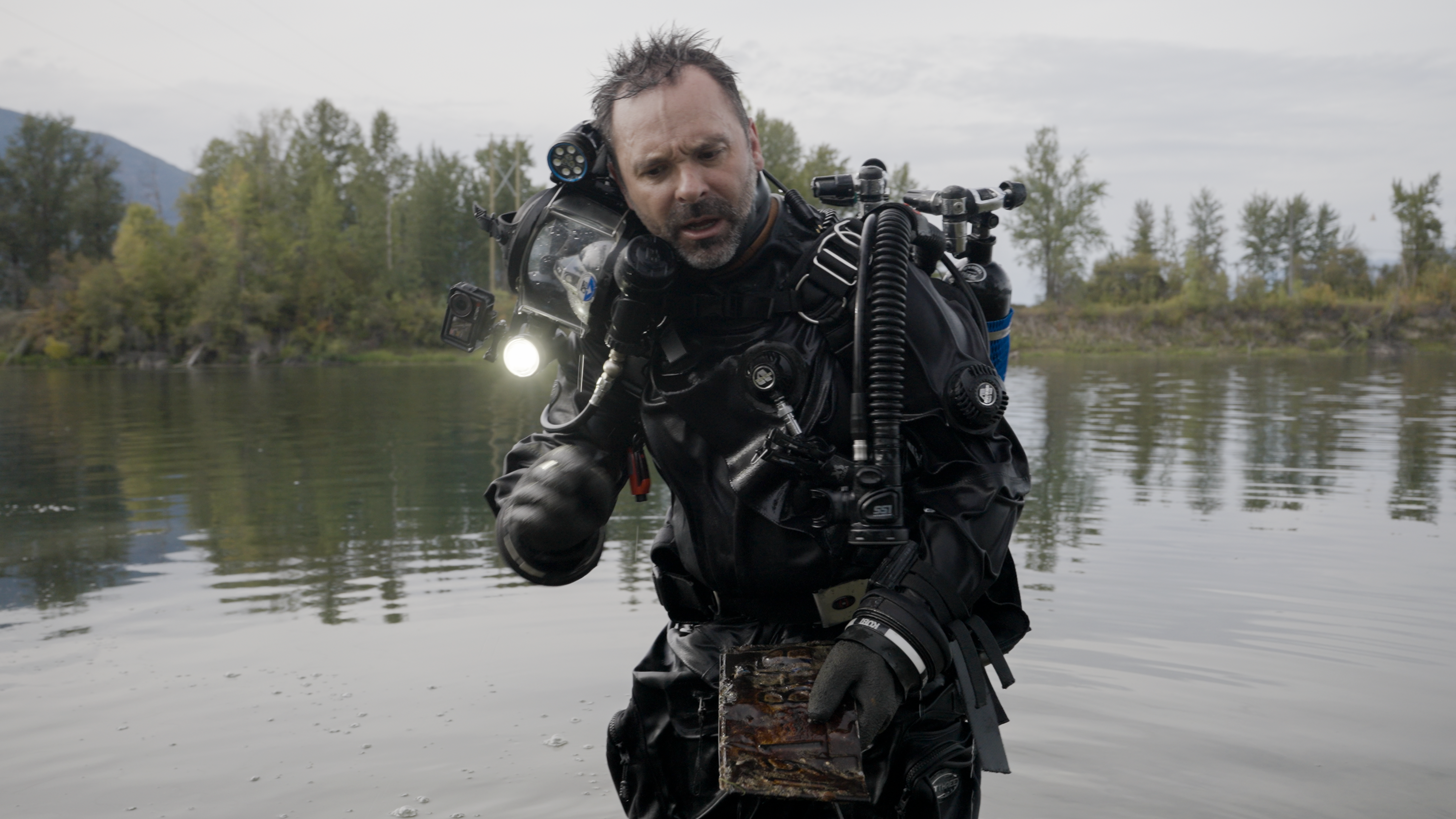
When local and provincial police departments hit a wall with cold cases involving submerged vehicles, specialized groups often step into the void. Adventures with Purpose, an American-based dive and search team, has built a reputation on doing what official forces often lack the specific sonar resources or ongoing manpower to tackle decades later.
They don't charge families. They don't work for a government budget. They operate purely on public support and an obsession with mapping out last-known locations to scan riverbeds, lakes, and coastal drops.
For the Davis case, the team mapped out potential entry points near an old, abandoned ferry landing in Creston. They didn't strike gold immediately. It took hours of methodical, tedious scanning—ruling out blank spots, adjusting angles, and fighting underwater visibility—before the tenth and eleventh sonar sweeps picked up an anomalous shape resting on the opposite side of the river.
It was a car. Flipped completely upside down.
Inside the Recovery Effort
When divers finally reached the submerged vehicle, the reality of over two decades underwater set in immediately. The car was heavily deteriorated, and identifying whether human remains were inside required dangerous, close-up tactical work by professional divers.
Bryon Leisek and his team know the grim reality of what these recoveries look like. After 22 years, vehicles settle into silt, currents shift, and metal decays. Yet, finding the physical vehicle answers the primary question that haunts families the most: Where did they go?
For Frank's brother, Reid Davis, the news hit like an emotional truck. After more than two decades, hope had long since curdled into quiet resignation. Hearing that the car was found brought back memories that had been boxed away for a generation.
At the same time, the discovery highlights a heartbreaking tragedy for older family members. Frank’s mother spent the remainder of her life consumed by the agonizing question of her son's whereabouts, passing away before modern volunteer tech could grant her peace.
Determining Where Versus Why
Technology can tell you where a car landed, but it can't always explain how it got there.
Kade Pigg, a producer with the dive team, noted that while they pinpointed the exact location near the old ferry crossing, the exact mechanics of the tragedy remain unknown. Police confirmed quickly that foul play was not suspected and the death was not treated as suspicious. Accidents happen, roads run close to deep water, and visibility can fail in the blink of an eye during a rainy B.C. night.
For the surviving family members, knowing the exact spot offers a strange kind of closure. Frank's niece, Lenelle Davis, expressed it simply: they are no longer left guessing. He is home, he is resting, and the endless wondering has finally stopped.
Cold cases rarely wrap up with neat bows or Hollywood courtroom drama. More often, they end in the mud at the bottom of a river, brought to light by strangers with scuba gear who refused to let a missing man stay forgotten.
Take a moment to check your local missing persons registries, support volunteer search organizations in your region, or share cold case databases. You never know whose family is still waiting for their ending.