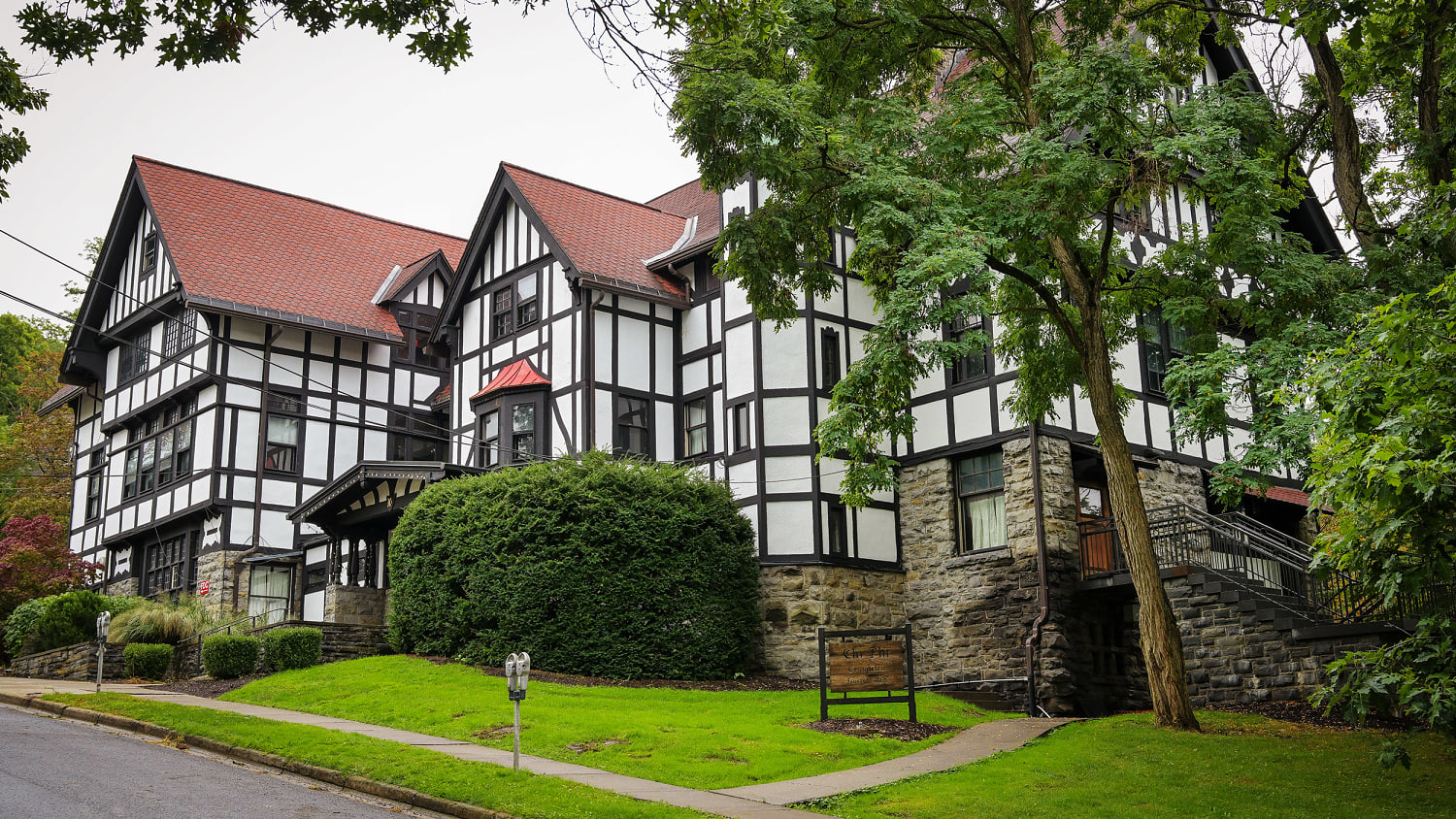
Truth doesn't always emerge neatly. Sometimes it arrives via a six-page police transcript filed quietly months ago, only to detonate across national headlines later. When the public finally got a look at what Jane Doe told Cornell campus police in 2024 regarding an alleged assault at the Chi Phi fraternity house, the entire conversation around campus safety shifted overnight.
You’ve probably seen the breaking updates. Prosecutors are reopening investigations. Independent probes are launching. New York politicians are demanding answers. But if you only read the surface-level news blurbs, you're missing the raw, unsettling mechanics of how campus sexual assault cases actually unfold, stall, and resurface.
What the 2024 Statement Actually Details
Let’s look at the actual text of the police record. Jane Doe walked campus investigators through a grim timeline. She detailed drinking at Ithaca bars before arriving at the Chi Phi house around 10:30 or 11:00 p.m. to meet an acquaintance.
According to her statements, an initial interaction involved a proposal for a threesome, which she initially agreed to under heavily altered circumstances. But things spiraled rapidly. She described taking ketamine earlier and being offered more, noting her internal thought process at the time was stark: she hoped taking it again might just make her pass out and numb the reality of what was happening.
When another individual knocked on the door, she let him in under the assumption it was the resident of the room. What followed, as outlined in her detailed account, involved severe physical force and an environment that felt entirely like coercion. She made more than twenty separate corrections to her initial written statement before signing it, showing she wasn't rushing through a casual chat. She was reading every word with painstaking precision.
The Trap of Survivor Psychology
People love simple narratives. They want victims to fight back instantly, scream for help, or run out the front door into the quad. Real life is messier.
When humans face overwhelming threats, the brain doesn't always choose fight or flight. It often picks the fawn response. You become agreeable. You try to keep the peace. You smile, you nod, and you cooperate because your primal nervous system calculates that resistance equals physical destruction.
Jane Doe’s statement reflects this harrowing psychological survival tactic. She became numb. She tried to endure it. Critics and defense attorneys love to point out text messages or polite interactions sent afterward as "proof of consent." Anyone who has studied trauma knows this is a fundamental misunderstanding of human behavior. Victims routinely appease their attackers out of sheer terror. Conflating survival-driven compliance with genuine, enthusiastic consent is either deeply ignorant or willfully dishonest.
Why the Institutional Response Failed
Elite universities have a PR problem, and it's entirely self-inflicted. When reports surface involving prominent fraternities and well-connected students, institutional instincts lean heavily toward damage control rather than radical transparency.
Cornell officials initially faced massive backlash over how they handled the disciplinary actions against the accused fraternity members. Critics argued that light administrative slaps on the wrist or minor essay requirements didn't cut it for allegations of gang rape. It took immense public outrage, a high-profile civil lawsuit, and direct pressure from New York Governor Kathy Hochul to force Cornell into agreeing to an independent investigation.
This isn't just about one Ivy League campus. It exposes a systemic rot across higher education. Universities are businesses. They protect their brand like corporations protect stock prices. When a violent crime happens in a campus chapter house, the administrative machinery often treats it as a public relations crisis to be managed rather than a criminal act to be aggressively exposed.
Moving Beyond the Noise
If you want to understand how justice actually stumbles in these cases, look at the timeline. It took two years for these police statements to gain traction in the broader public consciousness. Evidence sat in files while student advocates fought uphill battles against institutional indifference.
The reopening of the criminal investigation by the Tompkins County District Attorney proves that pressure works, but it shouldn't require a national media firestorm just to get law enforcement to take a serious look at a detailed survivor statement.
Pay attention to how institutions handle accountability when the cameras turn off. Support independent oversight for campus Greek life, and stop expecting trauma victims to act like Hollywood action heroes.
Check out this Cornell rape investigation report for a closer look at the legal and institutional fallout surrounding the case.
http://googleusercontent.com/youtube_content/1