Security alerts at critical military installations don't happen in a vacuum. When two men were pulled from the perimeter of a major Cambridgeshire air base under the National Security Act, it sent immediate shockwaves through defense circles.
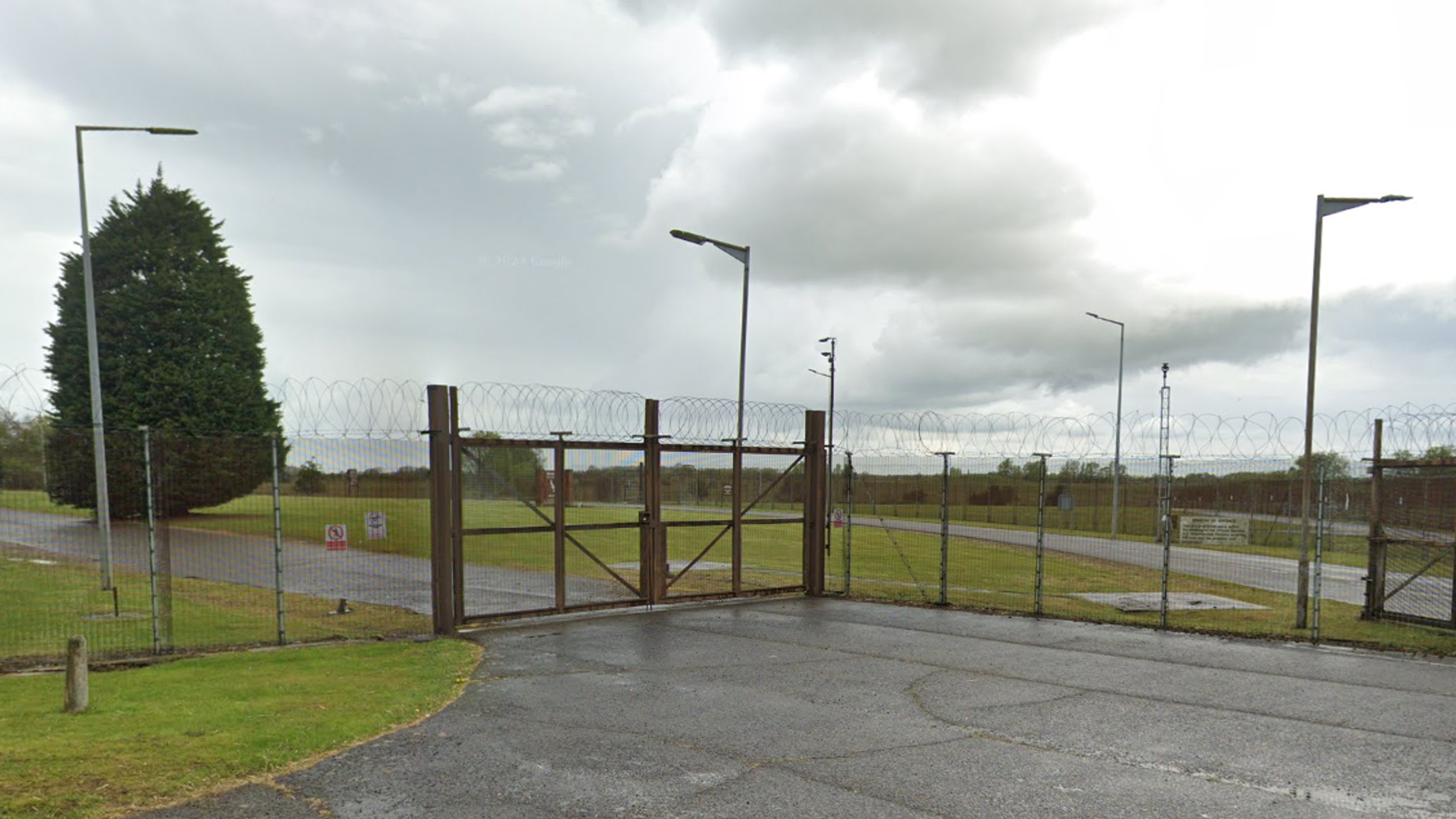
The incident unfolded at RAF Molesworth, a facility housing vital intelligence analysis and command operations used heavily by United States personnel alongside NATO allies. Ministry of Defence Police patrolling the perimeter noticed an abandoned vehicle parked near the fence. That single anomaly triggered an immediate, multi-agency response involving Cambridgeshire Constabulary and specialized tactical units.
Upon searching the perimeter, officers found a deliberate cut in the fence line. At roughly two in the morning, two individuals—identified as Latvian nationals aged 36 and 32 residing within the UK—were tracked down and detained inside the security zone.
Why the National Security Act Matters Here
Local police initially booked the pair on routine suspicions of trespass and criminal damage. But prosecutors and investigators quickly escalated the charges.
The suspects were re-arrested under Section 4 of the National Security Act 2023. That distinction carries immense weight. The legislation targets individuals accused of entering a prohibited place for a purpose prejudicial to the safety or interests of the United Kingdom. It shifts the narrative from petty vandalism or urban exploring to potential state-backed intelligence gathering or espionage.
Investigators are executing search warrants in Peterborough as part of the ongoing probe. Counter Terrorism Policing London is leading the inquiry, carefully parsing the digital devices, communications, and physical movements of the two men.
Context and Rising Strains on Military Infrastructure
Public anxiety surrounding British air bases is palpable right now. Just weeks prior, authorities arrested multiple individuals over a suspected terror plot directed at RAF Fairford located further west.
Understandably, commentators immediately wondered if the Molesworth breach tied back to those earlier operations. Commander Helen Flanagan, heading the Counter Terrorism Policing London investigation, moved quickly to quell speculation. She noted that while security forces remain on high alert due to an evolving threat tempo involving hostile states and extremist networks, investigators currently see no direct link between the two incidents.
Even so, the timing makes people nervous. Military sites across Europe face heightened scrutiny as hybrid warfare tactics, reconnaissance missions, and probing attacks on critical infrastructure become more common.
What Happens Next
For now, both suspects remain locked in police custody while forensic teams piece together their timeline. The Ministry of Defence maintains that base protection relies on a multi-layered shield of physical barriers, active patrols, modern surveillance, and counter-drone systems.
Yet, when a fence line can be compromised and trespassers can wander inside a sensitive NATO intelligence hub, questions about baseline security protocols demand honest answers. The legal machinery of the National Security Act is now fully engaged, and the investigation will determine whether this was opportunistic mischief or something far more calculated.