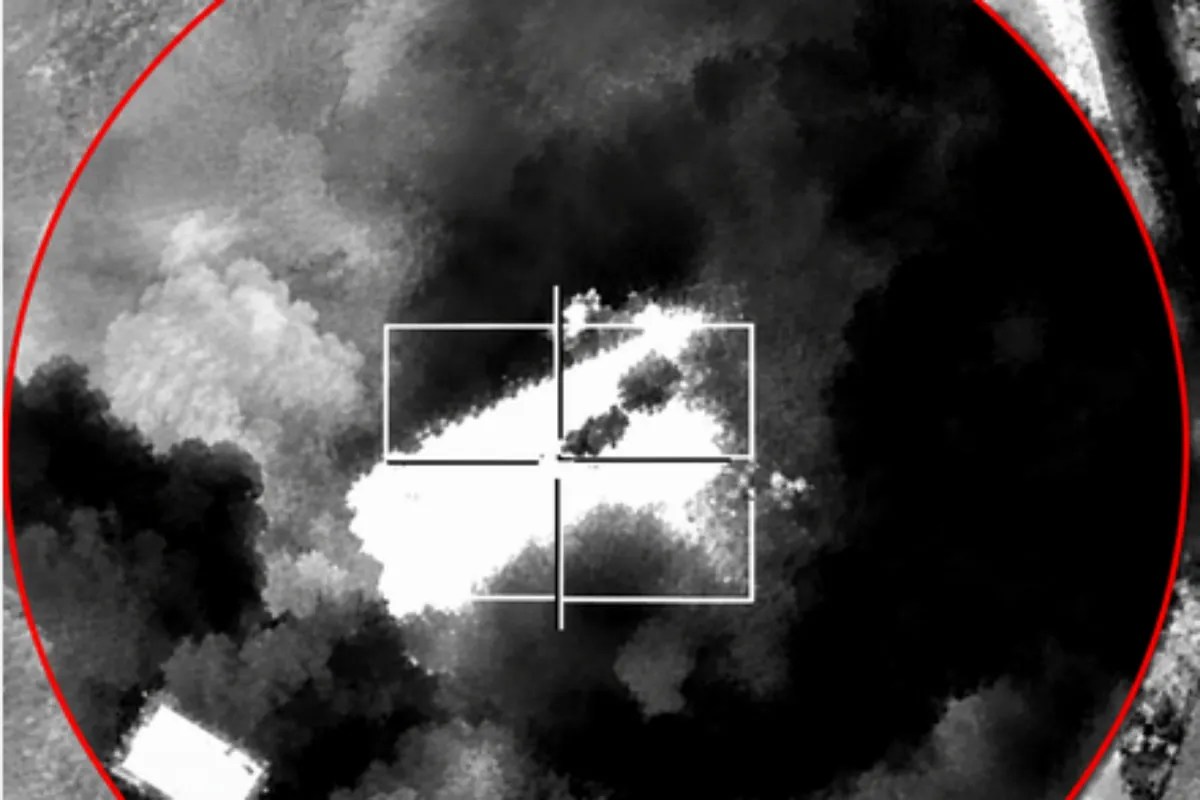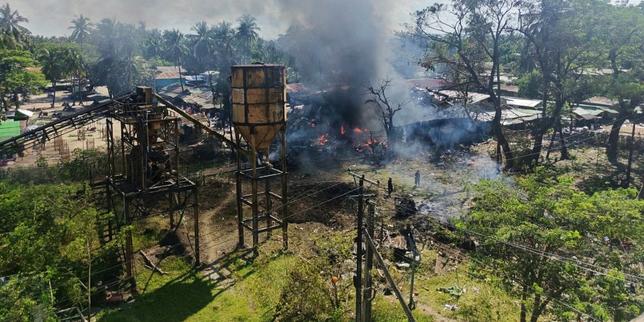
Fifty people are dead after a fighter jet dropped bombs on a crowded market in western Myanmar. When a military regime is losing ground on the battlefield, it often targets civilians instead. That is the grim reality unfolding right now in the Rakhine state.
The airstrike hit a busy commercial hub in Kyauktaw township around noon. Vendors, shoppers, and ordinary passersby were going about their daily routines when the explosives tore through the area. Local rescue workers and humanitarian sources confirmed the death toll climbed to 50, with dozens more seriously injured.
Why the Military Is Turning to Air Power
The ruling junta isn't winning the civil war on the ground. Powerful ethnic armed groups, specifically the Arakan Army, have seized control of vast swathes of territory across Rakhine state. The junta has lost military outposts, towns, and supply lines.
Without ground control, the regime relies entirely on its air superiority. Jets manufactured and supplied by foreign partners give the military the ability to strike anywhere, anytime. But because they can't hold territory, these airstrikes aren't tactical military maneuvers. They are punitive attacks designed to terrorize civilian populations living under rebel administration.
When you look at the pattern of the conflict since the 2021 coup, a dark playbook emerges. Hospitals, schools, displaced persons camps, and now bustling markets take the brunt of the aerial bombardment.
The Humanitarian Catastrophe in Rakhine
Life in Rakhine state has turned into a daily struggle for survival. On top of the constant threat from the skies, the military junta has imposed severe blockades on trade routes. Food, medicine, and fuel barely trickle into the region.
Aid organizations find it nearly impossible to operate safely or bring in supplies. The attack on the Kyauktaw market compounds an already desperate humanitarian crisis. People can't even buy food without risking their lives.
Local volunteers and rescue teams are overwhelmed. Hospitals near the conflict zones lack basic surgical supplies to treat severe blast injuries, meaning the final casualty count could rise as wounded victims succumb without proper care.
What Happens Next
The international community issues statements of condemnation, but practical protection for civilians remains non-existent. The Arakan Army has vowed retaliation, signaling that the violence will only escalate. As the civil war drags on past years of brutal bloodshed, the cost is borne almost entirely by ordinary citizens caught in the crossfire of a collapsing regime desperate to cling to power.