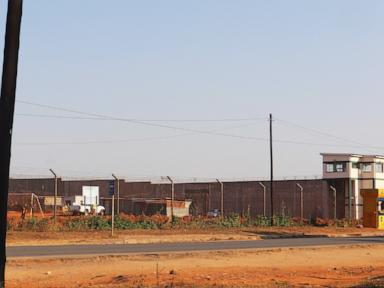
Imagine spending your entire life building a home somewhere, serving your sentence for past mistakes, and then waking up in a maximum-security prison on an entirely different continent. That is the nightmare reality faced by a Laotian citizen who was swept up in controversial immigration policies and shipped halfway across the world to Eswatini. After enduring more than a year behind bars in southern Africa without clear charges or legal transparency, he has finally been released.
This case shines a harsh light on an obscure, high-stakes practice: the United States deporting individuals to third-party countries when their home nations refuse to accept them or stall repatriation processes. Eswatini, a landlocked monarchy formerly known as Swaziland, became an unexpected destination for deportees who had no prior connection, language fluency, or family ties there.
How US Deportees Ended Up in Eswatini
The arrangement caught human rights advocates and legal experts completely off guard. When immigration enforcement agencies encounter individuals with final deportation orders whose home countries are considered uncooperative or "recalcitrant," standard protocol usually involves prolonged detention within the United States until travel documents can be secured.
Instead, the administration pursued an aggressive strategy. Several migrants, including the Laotian citizen, were quietly flown to Eswatini. Local attorneys and international human rights organizations immediately flagged serious due process violations. These men had already completed their criminal sentences in the United States, lived in American communities for decades, and were suddenly dumped into a foreign penal system where even local officials reportedly expressed confusion regarding what Washington expected them to do with the detainees.
For over a year, the group sat in limbo. They faced severe restrictions, limited access to legal counsel, and virtually no transparency from either the U.S. State Department or Eswatini authorities. Habeas corpus petitions filed in the High Court of Eswatini challenged the legality of their detention, arguing that holding individuals indefinitely without formal local charges violated basic human rights protections.
The Legal and Human Costs of Third-Country Deportations
Third-country deportations are legally perilous and morally complex. When a government outsources immigration enforcement to a sovereign nation thousands of miles away, accountability fractures. Families left behind in the United States—many of whom are spouses, children, and siblings of longtime residents—fought tirelessly alongside advocacy groups to demand answers.
Critics point out that this policy bypassed traditional diplomatic channels. Laos, like several other nations, handles repatriation cases through specific bilateral agreements and consular verifications. By circumventing standard diplomatic protocols and offloading individuals to a nation where they have zero cultural or linguistic ties, the process created a bureaucratic black hole.
The recent release of the Lao man marks a major turning point, but it raises immediate questions about the fate of other detainees caught in similar cross-continental transfers. Legal battles continue to unfold in international courts, putting pressure on foreign governments to justify detaining individuals who have never committed crimes within their borders.
What Happens Next for Deportees Released Abroad
Getting out of a maximum-security prison is only the first hurdle. Released deportees now face daunting logistical nightmares. Without passports, local identification, or legal status in Eswatini, navigating daily life remains an uphill battle. Human rights defenders are currently scrambling to coordinate safe repatriation to Laos or secure legal transit for those stranded abroad.
If you are tracking international immigration policy or trying to understand how shifting geopolitical alliances impact human rights, keep a close eye on court filings in southern Africa and federal agency disclosures in Washington. The legal precedents set by these third-country deportations will influence immigration enforcement for decades to come. Transparency remains rare, but pressure from civil rights lawyers is finally forcing governments to answer for policies that operate in the shadows.