Ten years after the shockwaves of the 2016 referendum tore through British politics, the taboo surrounding a possible UK return to the European Union has officially shattered. Prime Minister Andy Burnham took to the stage at the Labour Party annual conference and opened a door most Westminster insiders thought stayed locked for a generation. He floated a clear possibility: rejoining the EU is back on the table.
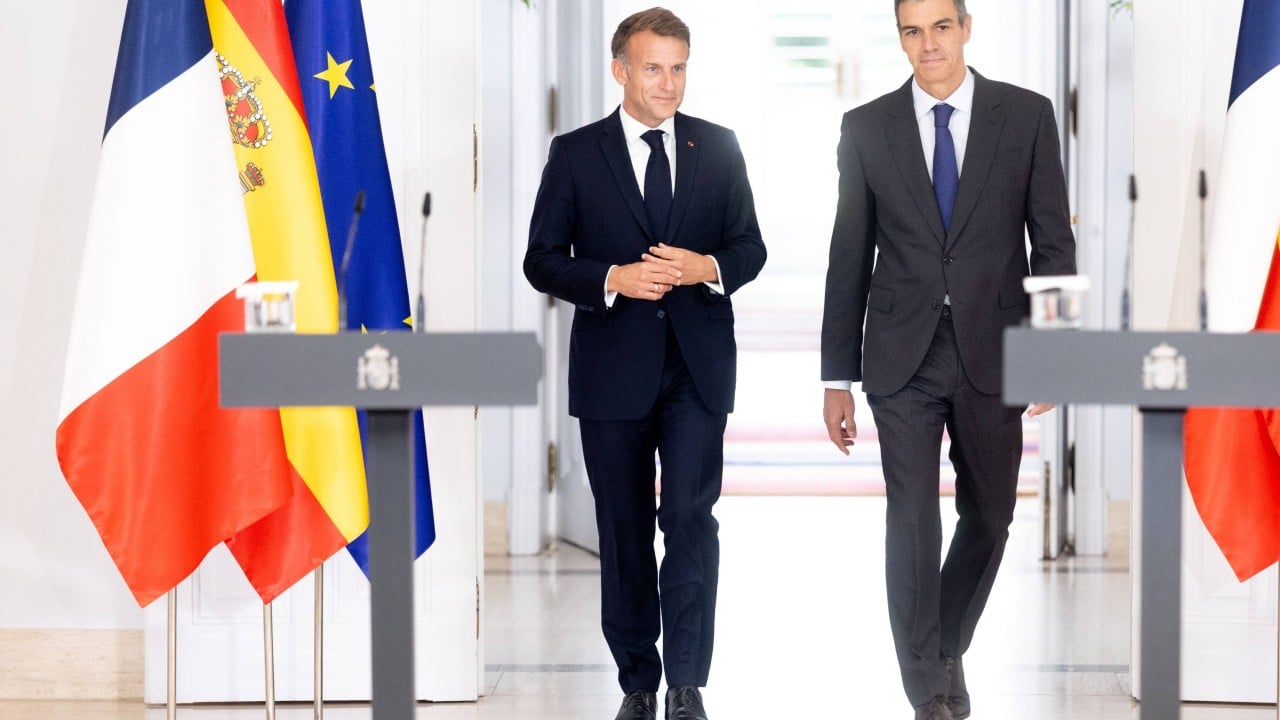
European leaders didn't waste any time reacting. During a joint news conference in Madrid, French President Emmanuel Macron switched to English to say "Welcome back" while standing alongside Spanish Prime Minister Pedro Sanchez. Macron praised the move as a bold step, calling it very good news for both Britain and the rest of Europe. Sanchez echoed the sentiment, stating that Spain would open its arms once again to a brotherly people after what he termed a huge loss for the entire European project.
Burnham outlined three distinct paths for future UK-EU relations ahead of a major summit later this year. Those options range from full rejoining to entering a customs union or re-entering the single market. But it's his willingness to even whisper the word "rejoin" that changes the political weather entirely.
Let's be honest about why this matters. For years, major political parties treated Brexit like a finished chapter that nobody was allowed to question. Fear of alienating voters in the Midlands and the North kept both Tories and Labour locked into rigid talking points about making Brexit work. But economic realities have set in. Stagnant growth, trade friction at ports, and mounting red tape have taken a heavy toll on British businesses.
Macron hit the nail on the head during his Madrid appearance when he noted that you cannot cherry-pick the freedoms of the union without accepting the rest. Brussels has always maintained a strict line against a-la-carte membership. If Britain wants the full benefits of the European market, it has to pay the admission price and accept the rules. Burnham seems ready to at least start that conversation, even if he admits it might not happen overnight.
Of course, obstacles remain massive. Rejoining the EU isn't like flipping a light switch. It requires unanimous consent from all member states, complex renegotiations on rebates and currency exemptions, and a domestic political battle that would make the original Brexit debates look mild. Critics already argue that reopening this wound distracts from urgent domestic crises like health and social care.
Yet the shift in tone across the Channel proves that Europe hasn't closed the door on Britain. Macron remarked that the UK was always a demanding partner, but an essential one for keeping things simple and functional within the bloc.
If Britain wants a prosperous long-term future, pretending isolation is a permanent virtue won't cut it. Burnham's boldness forces a serious reality check on the country. Watch how Westminster handles the upcoming EU summit closely. That's where the real negotiation begins.