When a massive weather system slams ashore with sustained winds topping 105 miles per hour, power grids don't just bend—they break. Hurricane Isaias hit the Florida Panhandle near Destin as a potent Category 2 storm, plunging more than 664,000 customers across Florida and Alabama into darkness.
If you live anywhere near the Gulf Coast, you already know the drill. Wind howls through patio doors like a freight train, trees snap onto local streets, and emergency response operations pause because moving outside becomes suicidal. But behind the immediate chaos of roof tiles flying off inns in Pensacola and water creeping into backyards, a bigger question lingers. Why does a storm of this magnitude knock out power to hundreds of thousands of homes so predictably, and what can you actually do when your neighborhood goes dark?
The Anatomy of a Category 2 Strike
Most people underestimate a Category 2 hurricane. They watch Category 4 and 5 monsters dominate headlines and assume a 105-mph storm is manageable. That's a dangerous mistake.
When Isaias made landfall on the Gulf Coast, it packed enough punch to trigger flash flooding, spawn potential tornadoes across southern Georgia, and push a dangerous storm surge ranging from three to five feet between Dauphin Island in Alabama and Florida's Aucilla River.
Wind speed is only half the story. Soil saturation plays a massive role. Days of heavy rain soften the ground before the eyewall even arrives. Trees with shallow root systems give way easily, taking power lines down with them. That is precisely why counties in the Florida Panhandle had to suspend emergency response operations on Friday night. Driving through debris-strewn roads is a fool's errand. When local authorities tell you to stay off the streets, listen to them.
Why Power Grids Keep Failing
Six hundred and sixty-four thousand. That is the sheer volume of utility customers who lost power in the immediate aftermath. It is a staggering number, but it highlights a persistent vulnerability in modern coastal infrastructure.
Overhead power lines are sitting ducks. Utility companies talk endlessly about underground cabling, but burying miles of lines through swampy, high-water table coastal regions costs an astronomical amount of money. Instead, communities rely on aging wooden utility poles patched together over decades. When salt spray, high winds, and flying debris collide with outdated transformers, explosions light up the night sky and grids collapse.
If you are waiting for utility companies to bulletproof the entire grid overnight, you will be waiting forever. Grid hardening takes decades of capital investment. Until then, recurring blackouts remain an unavoidable feature of coastal life.
How to Prepare Before the Next Hurricane Hits
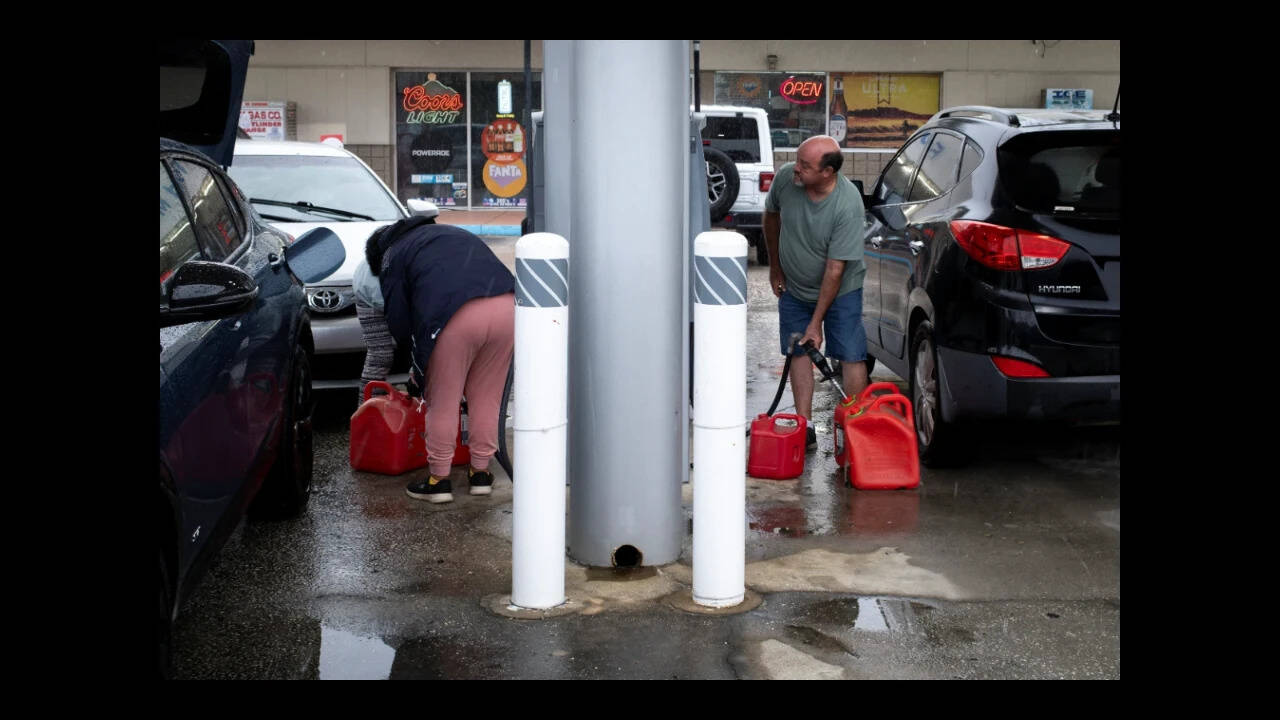
Hope is not a hurricane preparedness strategy. If you wait until a storm warning flashes on your phone to buy supplies, you are already too late. Gas stations will have lines wrapped around the block, grocery shelves will be stripped bare, and hardware stores will run out of plywood.
Here is what you actually need to do to protect your household:
- Secure a reliable backup power source: A portable generator can keep your refrigerator running and charge your devices, but you must store extra fuel safely and never run a generator inside an enclosed space.
- Clear your yard: Patio furniture, loose branches, and garden decorations turn into airborne missiles in 100-mph winds. Tie them down or bring them inside.
- Stock up on non-perishables and water: Aim for at least a three-day supply of drinking water and food that requires no cooking.
- Keep cash on hand: When power grids fail, electronic credit card readers and ATMs stop working instantly. Cash rules the disaster zone.
Hurricanes like Isaias remind us of nature's raw power. Respect the storm, ditch the complacency, and make sure your emergency kit is ready before the next wind howls.