Northern Ireland politics just hit another turbulent flashpoint.
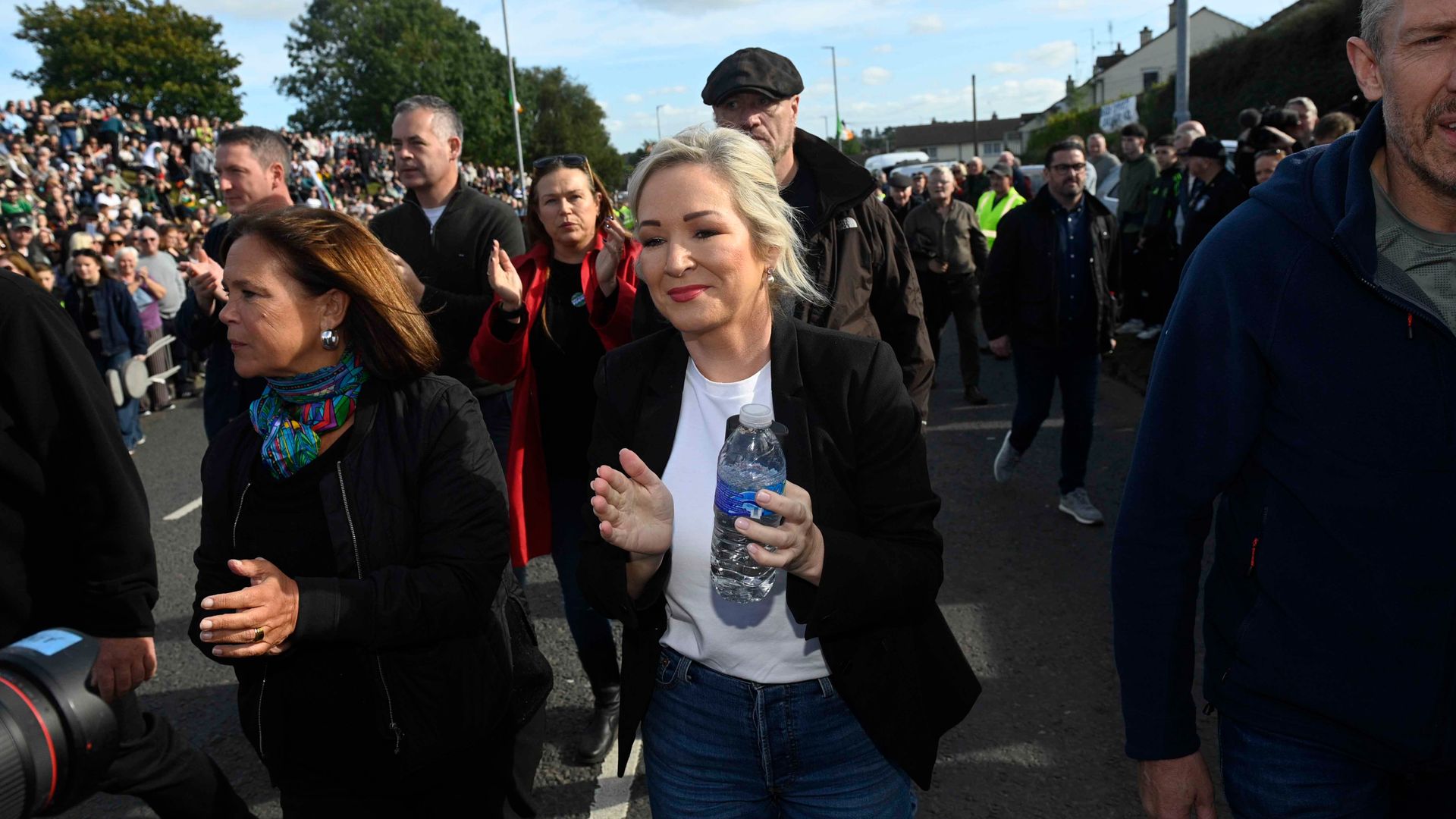
First Minister Michelle O'Neill confirmed she received a letter from the Police Service of Northern Ireland inviting her to attend an interview. The inquiry centers around her participation in recent demonstrations on the Garvaghy Road in Portadown, County Armagh. Several other prominent Sinn Féin figures, including party leader Mary Lou McDonald, Conor Murphy, John O'Dowd, and Gerry Kelly, have also drawn scrutiny from the PSNI over the high-profile stand-off involving an unwanted Orange march.
If you've been following Northern Ireland headlines, you know this tension didn't appear overnight. It's the latest chapter in a long history of clashing traditions, parades, and community rights. But having the sitting First Minister of Northern Ireland facing a police interview over active street demonstrations raises massive questions about political leadership, policing, and accountability.
Why the Garvaghy Road Flashpoint Erupted
For roughly two weeks, residents and supporters maintained a vigil to block a contentious Orange march from traversing the Garvaghy Road. The area has a long, painful history regarding parading disputes that date back decades.
When thousands converged on the community—including a massive rally drawing around 15,000 attendees—tensions reached a boiling point. Unionist critics sharply condemned Sinn Féin ministers for showing up at the site. They argued that senior government figures should not actively participate in demonstrations that block parades and challenge policing operations.
O'Neill didn't back down. In her public statement following the police letter, she made her stance crystal clear:
"I can confirm I have received a letter inviting me for a police interview in relation to a peaceful protest on the Garvaghy Road. I will co-operate with the investigation. For the last two weeks, I have stood in solidarity with the Garvaghy Road residents as attempts were made to force an unwanted Orange march through their community."
She added that she intends to keep standing with residents who deserve to live free from sectarian intimidation, asserting that standing up for what is right leaves no room for going backward.
The PSNI Position and Political Fallout
The PSNI faces an impossible balancing act. Police are investigating alleged criminal offenses tied to the blockade and public order breaches during the two-week impasse. Sending interview letters to high-ranking politicians—including the First Minister and MLAs like Gerry Carroll from People Before Profit—proves that investigators are casting a wide net over anyone reasonably suspected of committing an offense.
Yet, this move triggers immense political fallout.
Unionist figures have heavily criticized nationalist politicians for flocking to the scene. Critics argue that senior elected officials participating in blockades sets a dangerous precedent for law and order. On the flip side, Sinn Féin maintains that their presence was about community solidarity against unwanted sectarian tension.
This friction threatens stability at Stormont. Power-sharing arrangements in Northern Ireland are notoriously fragile. When the head of the devolved government is under active police investigation for participating in a street protest, daily governance grinds to a halt amid mutual accusations of grandstanding and bad faith.
What Happens Next in the Investigation
O'Neill has publicly stated she will cooperate fully with the PSNI investigation. An interview invite is not a charge, but it puts immense pressure on the executive branch. Investigators must sort through hours of footage, public order statutes, and conflicting accounts from both sides of the community divide.
Meanwhile, Secretary of State Sir Chris Bryant faces intense pressure to intervene and find a durable resolution to the underlying parading disputes. Without clear systemic reform or dialogue mechanisms between the Orange Order and local residents, these flashpoints will keep dragging Northern Ireland back into crisis mode.
The immediate test isn't just legal. It's whether the political institutions at Stormont can survive another deep-seated cultural war playing out directly on the tarmac.