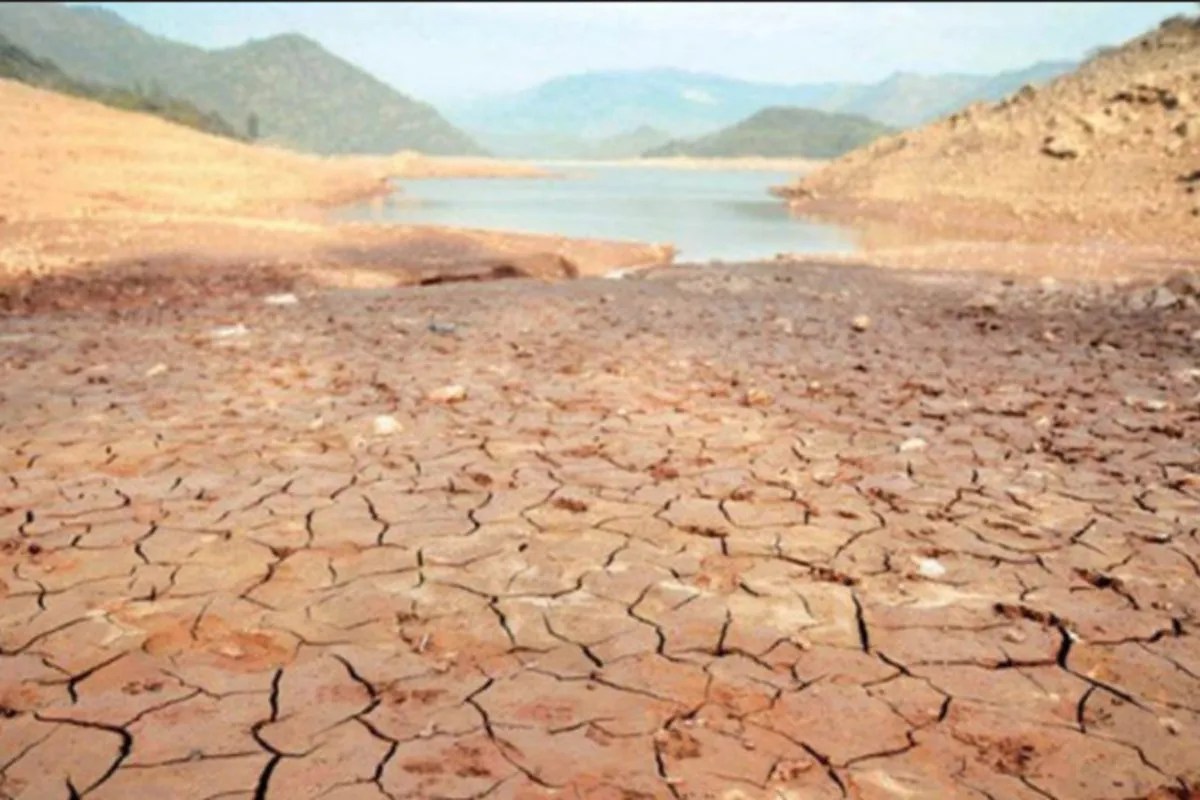
You've probably heard politicians in Islamabad blaming upstream neighbors or shifting weather patterns for every dry tap across the country. It is an easy narrative. Pointing fingers outward always plays well on evening news broadcasts. But if you look past the geopolitical theater, a very different reality emerges. The deepening water crisis in Pakistan isn't just about melting glaciers or international treaties. It's a stark exposure of severe domestic mismanagement, outdated infrastructure, and systemic policy paralysis that has festered for decades.
Let's talk about what is actually happening on the ground.
When millions of citizens in cities like Quetta or Karachi go weeks without municipal water while commercial water tankers thrive, you are looking at governance failure, not nature running dry. According to findings highlighted by analysts and institutions like the World Bank, groundwater depletion, severe contamination, and massive waterlogging are widespread across regions like Sindh and Balochistan. These aren't problems created by foreign dams. They are the direct result of an antiquated, heavily distorted internal water distribution system.
The Myth of External Scarcity
For years, state rhetoric has leaned heavily on externalizing blame. Whenever water scarcity hits the headlines, official statements quickly target the Indus Waters Treaty or upstream developments. But veteran observers and domestic experts point out a glaring contradiction. Long before recent diplomatic strains, senior Pakistani officials themselves admitted to deep internal flaws. Back in 2015, former water ministers openly criticized a national culture of resource extravagance and poor administrative planning.
The truth is that Pakistan possesses extensive river systems and significant groundwater reserves. The tragedy lies in how those resources are managed. Over one and a half million tube wells pump water uncontrollably, driven by subsidized electricity and massive power theft. Aquifers are draining much faster than nature can ever replenish them. In places like Islamabad, Rawalpindi, and Lahore, groundwater tables have dropped drastically year after year.
Why the Warabandi System Fails Farmers
Agriculture consumes the lion's share of the country's water supply. Yet, the method of distribution remains anchored in a rigid, colonial-era framework known as the Warabandi system.
This archaic setup heavily favors influential, politically connected landowners positioned at the head of canal reaches. Meanwhile, smallholder farmers at the tail ends are left chronically deprived. It's a classic case of resource theft disguised as official policy. When water allocation is dictated by political clout rather than scientific necessity, scarcity becomes inevitable for the vulnerable.
Furthermore, the country hasn't built a major new water reservoir in half a century. Instead of investing in modern infrastructure, rainwater harvesting, or wastewater recycling, successive administrations chose short-term political expediency.
The Bottled Water Paradox
You can tell a lot about a nation's infrastructure by looking at what its citizens have to buy. In major urban centers, public taps run dry or deliver water unfit for human consumption. To fill this dangerous vacuum, a massive commercial bottled water industry has exploded.
Think about the sheer irony of that situation. Public utilities collapse under the weight of neglect, and multinational or private beverage corporations step in to pump billions of liters of cheap groundwater from local aquifers. They purify it and sell it back to ordinary citizens at exorbitant markups. Entire villages near industrial extraction sites watch their local wells dry up while trucks haul away the liquid wealth of their land. When safe drinking water becomes a luxury commodity rather than a basic human right, you are witnessing complete institutional failure.
Moving Beyond Political Deflection
Blaming external actors won't refill an empty aquifer. It won't fix cracked, leaking municipal pipes that lose up to forty percent of treated water before it ever reaches a home. And it certainly won't protect children in Thar or Balochistan from preventable waterborne diseases.
If Islamabad is serious about saving its population from absolute water stress, the starting point has to be internal accountability.
Here are the concrete steps required to reverse the damage:
- Overhaul Internal Distribution: Scrap the outdated canal allocation methods and replace them with transparent, equitable metering that protects smallholders.
- Strict Groundwater Regulation: Crack down on illegal tube wells and end the perverse incentives of subsidized energy pumping that drain deep aquifers dry.
- Invest in Decentralized Infrastructure: Shift away from expensive, delayed mega-projects and fund local rainwater harvesting, wastewater treatment plants, and community-managed filtration units.
- End the Blame Game: Acknowledge that internal corruption, poor data collection, and governance gaps are the real culprits behind every dry tap.
Stop accepting political deflection as an explanation. Real reform begins the moment leaders admit that the enemy of Pakistan's water security is sitting right at home.