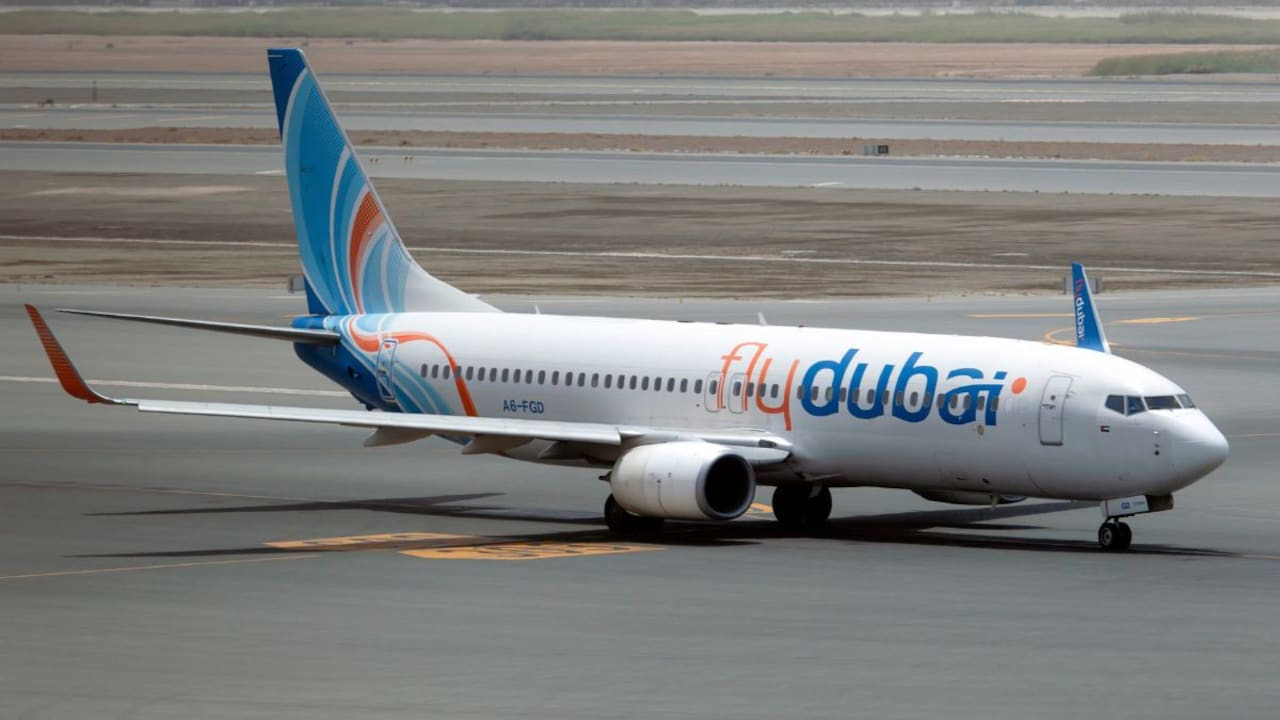
Commercial aviation relies on redundancy, rigid protocols, and the assumption that two trained professionals in the cockpit can always manage whatever the skies throw at them. Sometimes, that assumption shatters violently at 34,000 feet. When flydubai flight FZ1073 suddenly plunged nearly 17,400 feet in just two minutes over Middle Eastern airspace, it triggered international panic, scrambled military jets, and forced an emergency landing in Saudi Arabia.
Initial reports buzzed with alarming keywords. Transponder codes flickered, security alerts sounded, and the specter of a modern airline hijacking gripped newsrooms. Yet, the reality unfolding inside the flight deck was far stranger, more personal, and deeply disturbing than an external security breach.
The Anatomy of a Mid-Air Crisis
Flight FZ1073 left Dubai International Airport on a routine commercial leg bound for Ben Gurion Airport near Tel Aviv. For roughly two and a half hours, the journey followed standard regional paths. Then, the situation deteriorated at breathtaking speed.
Flight-tracking telemetry captured a violent drop. The aircraft plummeted from a cruising altitude of 34,000 feet down to 16,600 feet in an astonishing 120 seconds. This kind of rapid descent isn't a normal diversion maneuver; it's an emergency profile designed to combat sudden cabin depressurization or catastrophic aircraft failure.
Ground monitors noticed urgent transponder activity. The aircraft transmitted code 7700, the universal distress signal, before brief reports indicated a shift toward code 7500, which designates unlawful interference or hijacking. Israeli authorities responded immediately, scrambling fighter jets to intercept and monitor the distressed commercial jet as it altered its path away from Israeli airspace.
Inside the Cockpit Chaos
The true catalyst for the emergency wasn't a terrorist takeover from the cabin, but an explosive confrontation behind the flight deck door.
Unverified initial accounts and subsequent reporting pointed to a violent altercation between the pilots inside the cockpit. Sources indicated that a physical struggle broke out between the Emirati captain and the co-pilot, with allegations suggesting a stabbing occurred during the mid-flight dispute. Eyewitness accounts from passengers seated near the front of the cabin corroborated the terror, reporting shouts, sudden physical jolts, and blood before the aircraft violently banked and descended.
Commercial aviation is built on the sterile cockpit rule and strict crew resource management. When interpersonal conflict boils over into physical violence at cruising altitude, the safety margin vanishes. The swift intervention of crew members and the second pilot prevented a catastrophic end, stabilizing the aircraft and guiding it toward an unscheduled landing.
Why Saudi Arabia Became the Safe Haven
With the flight deck compromised and the aircraft damaged or unstable, the priority shifted instantly to getting the plane on the ground. FZ1073 diverted toward Saudi Arabia, safely touching down at Tabuk, a dual-use civilian and military facility near the border.
The choice of landing site highlighted regional air traffic realities during emergencies. When an aircraft declares an emergency over northern routes heading toward the eastern Mediterranean, Saudi airspace offers immediate diversion options with long runways and emergency response infrastructure.
Passengers experienced tense hours on the tarmac following the landing. Armed Saudi security forces surrounded the aircraft as diplomatic channels swung into action. Israeli Prime Minister Benjamin Netanyahu's office confirmed that officials monitored the situation closely, working to ensure the safe repatriation of the roughly 180 Israeli citizens onboard.
The Broader Aviation Safety Questions
Incidents involving pilot incapacitation or behavioral anomalies remain exceptionally rare, yet they expose vulnerabilities that automated flight decks cannot fully prevent. Aviation authorities globally invest heavily in psychological screening and crew monitoring, but human behavioral unpredictability remains difficult to completely filter out.
The flydubai incident adds to a troubling history of rare flight deck anomalies. While historic events like the Germanwings tragedy or occasional cockpit altercations at other major carriers share grim similarities, they prompt uncomfortable conversations about mental health tracking, cockpit security door protocols, and how co-pilots can intervene if a captain experiences a sudden medical or psychological crisis.
Commercial aviation remains statistically the safest mode of transport on earth. Millions of flights land without incident every single day. However, when the barrier between safety and disaster depends entirely on two people locked in a small room, things can change in a heartbeat.
Review your flight tracking apps, stay informed on how airlines screen for crew well-being, and remember that the invisible machinery keeping modern aviation safe relies on human restraint just as much as engineering.