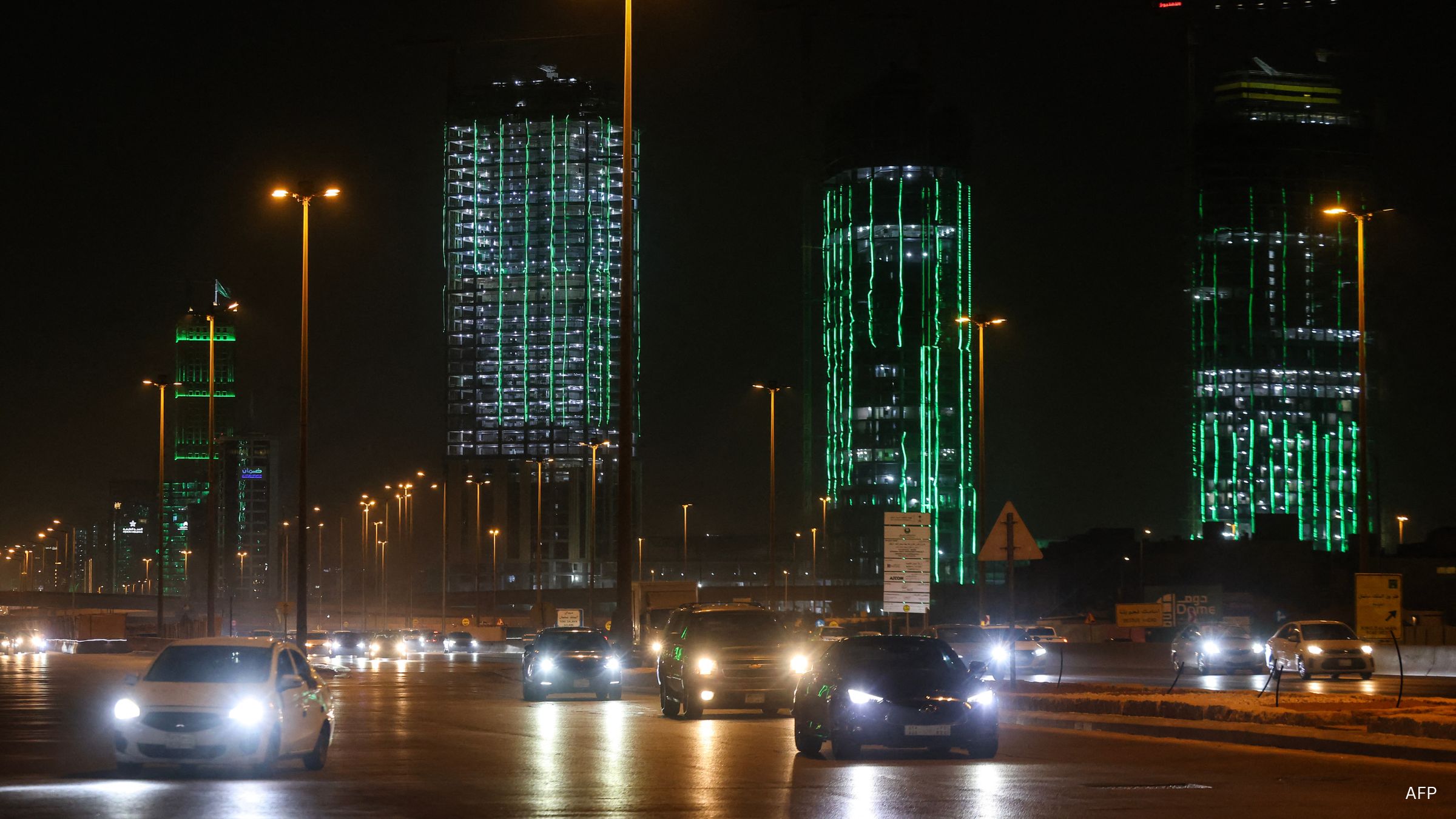
Geopolitical shocks rarely stay confined to distant policy rooms. They land on airport tarmacs, shatter routine evening commutes, and force families thousands of miles away from home to refresh live flight trackers with pounding hearts. When the Indian embassy in Riyadh dropped its urgent advisory urging nationals to stay indoors and remain vigilant, it brought home a harsh reality for the massive diaspora living across the kingdom. If you live or work in Saudi Arabia right now, your day-to-day risk calculus just changed completely.
Let's look past the generic diplomatic statements. Why did this advisory happen, what are the concrete threats on the ground, and how should expatriates navigate the coming days without panicking?
Understanding the Houthi Escalation and Airspace Warnings
The trigger for this diplomatic scramble isn't abstract. Iran-backed Houthi forces have intensified cross-border operations, targeting strategic infrastructure including airports in Riyadh and Abha. Recent strikes resulted in casualties, prompting immediate defensive reactions and subsequent warnings from rebel factions directed at international commercial aviation operating within Saudi airspace.
Major carriers didn't wait to see how things unfolded. Air India, IndiGo, and Air India Express grounded flights running through Riyadh until October 10. King Khalid International Airport shifted the burden onto passengers, urging everyone to verify flight statuses online before making the trip to terminals that have lately become focal points of security tension.
When regional conflicts escalate to this level, normal routines shatter fast. Airports shut down, airspace warnings tighten, and the margin for error shrinks to zero.
What the Embassy Advisory Actually Means For You
If you are an Indian national currently residing in Saudi Arabia, the local guidelines are clear on paper, but messy in practice. The embassy's directive boils down to three core actions: stay indoors when necessary, follow local official channels strictly, and stop sharing videos or unverified media of ongoing security incidents on social media.
That last point carries heavy legal weight in the Gulf. Local cybercrime and national security laws treat the filming, recording, or digital forwarding of military events, intercepts, or emergency site impacts as a severe offense. Sharing a quick clip on WhatsApp or X can lead to instant detention, heavy fines, or deportation. Resist the urge to chase digital clout.
Practical Safety Measures For Expatriates
Living through a security crisis requires cold pragmatism. Emotional reactions cloud judgment when quick decisions matter most. Keep these practical steps in mind:
- Keep Your Documents Close: Ensure your passport, Iqama, and work permits are in one accessible folder near your primary exit.
- Stock Essentials Now: Don't wait until shelves empty or curfews tighten. Keep a minimum of three days' worth of non-perishable food and bottled water at home.
- Stay Connected to Official Helplines: Save the 24x7 Pravasi Bharatiya Sahayata Kendra (PBSK) local toll-free number (8002471234) in your phone right now.
- Monitor Verified Sources Only: Ignore viral voice notes and unverified Telegram channels spreading panic. Stick to official statements from Indian diplomatic missions and Saudi civil defense authorities.
Families back in India are naturally anxious, flooding phone lines for updates. Set up a fixed schedule for checking in with relatives to conserve phone batteries and keep communication channels open for emergencies.
The situation remains fluid. Treat local warnings with the gravity they demand, keep your head down, and prioritize physical safety over convenience until the skies clear.