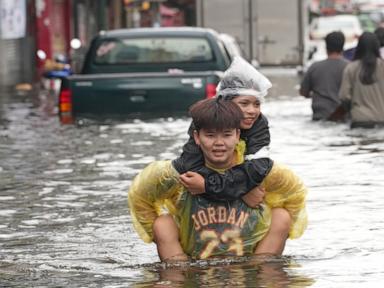
Nearly 300 millimeters of rain dropped over Bangkok in a single 48-hour window, turning major roadways into murky rivers and leaving hundreds of thousands scrambling for safety. When the Bangkok Metropolitan Administration declared an emergency across all 50 city districts, it wasn't just a bureaucratic precaution. It was an acknowledgment that drainage systems had hit their absolute limit.
If you live in a sprawling lowland metropolis, you know the sinking feeling of watching water creep past your doorstep before you can grab your boots. This recent deluge affected roughly 329,000 households—amounting to some 700,000 people—highlighting just how fragile urban infrastructure remains when Mother Nature decides to unload an entire month of rain in two days.
The Speed of the Surge
Water moves fast when concrete and asphalt block every natural path. Residents across eastern neighborhoods like Bang Kapi woke up or waded home to find waist-deep water swallowing ground floors, disabling electrical panels, and halting traffic on major thoroughfares. Delivery riders and local shopkeepers watched their daily incomes vanish overnight as streets became impassable rivers.
Governor Chadchart Sittipunt and local disaster teams rushed to open temporary shelters, housing thousands of displaced residents. But shelters don't solve the immediate crisis for everyone. Elderly citizens trapped upstairs, pet owners guarding their homes, and stranded workers illustrate the messy reality of urban disaster response. Pumping water out of overflowing canals takes time, especially when runoff from surrounding provinces continues to feed the system. To see the full picture, we recommend the detailed article by USA Today.
Why Infrastructure Struggles to Keep Pace
Bangkok sits on a flat delta prone to seasonal flooding, but the intensity of these weather systems is shifting. Rapid urban development has paved over natural retention basins, leaving fewer places for stormwater to go. Canals run high, pumps work around the clock, and city engineers fight a constant battle against gravity and tidal pressure.
When nearly 12 inches of rain falls in 48 hours, even world-class drainage networks will buckle. Cities across Southeast Asia face similar reckoning points. Traditional zoning and aging drainage designs cannot handle the concentrated bursts of rainfall brought by changing atmospheric patterns.
Practical Lessons for Living With Water
You can't stop the rain, but you can change how cities and individuals respond when it arrives. Here is what works on the ground:
- Elevate Critical Assets: Keep electrical outlets, emergency supplies, and valuable electronics above ground level if you live in a flood-prone zone.
- Map Out Local Shelters Early: Don't wait for knee-deep water to figure out where official evacuation points or higher-ground parking facilities are located.
- Maintain Community Networks: Neighbors often rescue stranded seniors or share resources hours before official aid trucks arrive.
As the waters finally begin to recede and residents start the exhausting cleanup process, the bigger question isn't just about clearing flooded streets. It's about how fast cities can adapt before the next storm hits.