Commercial aviation relies on a fragile layer of trust. You step into a metal tube, push away from the gate, and place your life entirely in the hands of two people locked behind a reinforced door. When that trust shatters mid-air, the consequences are terrifying.
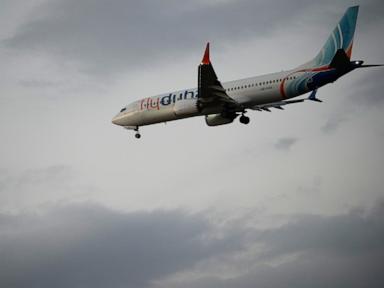
Recent events aboard a Flydubai flight bound for Tel Aviv exposed a nightmare scenario that aviation safety experts have worried about for years. A violent cockpit altercation broke out between the flight crew, leading to a mid-air stabbing, squawk code 7500 signaling an unlawful interference, and an emergency landing in Saudi Arabia. Israeli Prime Minister Benjamin Netanyahu later stated that the co-pilot allegedly attacked the captain and tried to crash the aircraft with passengers on board.
It's a stark reminder that the biggest vulnerability in modern commercial aviation isn't a mechanical failure or a structural defect. It's the human element.
Inside the Cockpit Chaos
Flight FZ1073 was traveling from the United Arab Emirates to Israel when things turned violent over Jordan. According to passenger accounts and official statements, the co-pilot allegedly turned on the captain, using a knife or pocketknife to inflict serious wounds.
Flight tracking data showed the aircraft squawking emergency and hijack codes as it struggled to maintain a stable trajectory. Passengers on board reported sudden plunges and chaotic scenes as word filtered back that something was severely wrong upfront.
What stopped a catastrophic disaster came down to raw human intervention. Crew members and passengers broke through the cockpit barriers to help subdue the attacker. Furthermore, reports indicate that off-duty or secondary pilots traveling as passengers stepped up to take control of the aircraft, ultimately diverting and landing the plane safely in Tabuk, Saudi Arabia.
Why Crew-Related Incidents Terrify the Industry
For decades, aviation security protocols focused heavily on external threats. Airports installed advanced body scanners, reinforced cockpit doors after 2001, and tightened baggage checks to keep malicious actors off planes.
Yet, locking the door to keep terrorists out also locked the crew inside with each other.
When a pilot or co-pilot experiences a severe psychological break, radicalization, or a sudden violent dispute, the rest of the world is locked out. Past tragedies have underscored this exact flaw. In historical incidents involving Germanwings and Malaysia Airlines, troubled pilots exploited the privacy of a locked cockpit to disable monitoring systems or deliberately dive aircraft into the ground.
When the threat originates inside the flight deck, standard security layers fail. You can't lock out the person holding the yoke.
The Myth of Foolproof Screening
Airlines vet their pilots extensively. Psychological evaluations, background checks, medical clearances, and simulator performance reviews are standard practice across major global carriers.
Yet, screening tools cannot predict every sudden mental health crisis or personal tipping point. Pilots face immense pressure, fatigue, erratic sleep schedules, and geopolitical stressors. While the vast majority of commercial aviators are consummate professionals who prioritize safety above all else, the system has no foolproof way to monitor real-time psychological stability at 35,000 feet.
When airlines mix crews from diverse backgrounds amidst tense regional conflicts, interpersonal friction can escalate. Though initial rumors and unconfirmed media claims floated various nationalities for the crew involved in the Flydubai incident—ranging from Omani to Emirati—the core issue transcends paperwork or country of origin. It points straight at cockpit dynamics.
How Aviation Must Adapt
The aviation sector cannot afford to ignore these rare but catastrophic events. Relying on passengers to break into a cockpit and subdue a rogue crew member is not an acceptable safety strategy.
Industry leaders are being forced to re-evaluate several core protocols:
- Enhanced Cockpit Monitoring: Exploring real-time biometric and behavioral monitoring systems that detect anomalous stress or sudden incapacitation.
- Two-Person Rule Refinement: Ensuring that if one pilot leaves the flight deck, a designated cabin crew member enters, though even this rule has faced resistance or logistical hurdles in various airlines.
- Improved Mental Health Support: Normalizing mental health care without fear of immediate license revocation, which often drives struggling pilots to hide their symptoms until it's too late.
Right now, the passengers and crew who intervened on that flight saved dozens of lives. They turned potential tragedy into a harrowing survival story. But luck isn't a safety policy. Until the industry addresses the psychological vulnerabilities hidden behind the cockpit door, every flight remains exposed to the ghosts in the machine.