Commercial aviation relies on a fragile web of trust. We strap ourselves into aluminum tubes, trust strangers with the controls, and assume that cockpit doors lock out external threats. But what happens when the threat is already sitting in the right-hand seat?
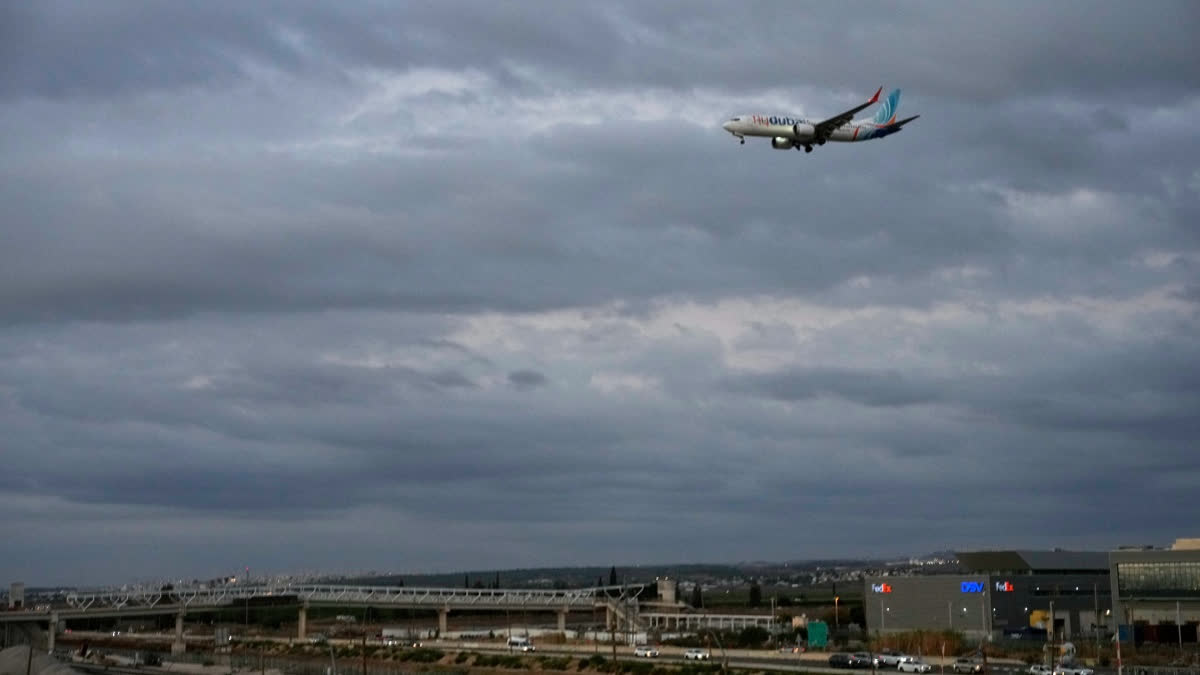
United Arab Emirates authorities confirmed that the terrifying mid-air incident aboard FlyDubai flight FZ1073 was an attempted terrorist act. The co-pilot, identified by officials as Omani national Hammam al-Hammami, used the cockpit’s emergency crash axe to assault Captain Smit Machchhar. The attack sent the aircraft into a violent 17,000-foot plunge before passengers and crew rushed the flight deck to subdue the attacker.
This shocking event lays bare uncomfortable truths about airline vetting, regional intelligence sharing, and the physical vulnerabilities hidden inside modern flight decks.
The Anatomy of a Mid-Air Nightmare
Flight FZ1073 was bound for Israel from Dubai with 182 people on board. Mid-flight, the routine journey dissolved into chaos. Al-Hammami grabbed the heavy crash axe—a mandatory safety tool kept in every commercial cockpit to break through panels during emergencies—and turned it on the captain. Similar coverage on this matter has been published by USA.gov.
The attacker tried to seize control of the aircraft's instruments as the plane plummeted. According to flight tracking data, the aircraft dropped roughly 17,000 feet in under a minute. Disaster was only averted because passengers and crew members breached the cockpit during the scramble, physically overpowering the co-pilot. A reserve Flydubai pilot traveling as a passenger took the controls and diverted the plane safely to Prince Sultan bin Abdulaziz International Airport in Tabuk, Saudi Arabia.
Captain Machchhar sustained injuries during the brutal struggle but survived, later receiving a bedside visit from UAE Deputy Prime Minister Hamdan bin Mohammed, who praised his courage. Saudi authorities detained the co-pilot immediately upon landing, and custody was later transferred to the UAE as it leads the multi-nation probe.
How Did an Extremist Get Into a Commercial Cockpit?
The most troubling aspect of this case isn't just the violence. It's the recruitment pipeline.
Reports indicate that al-Hammami had previously been flagged over extremist views and even barred from flying by Oman Air, where he had worked or trained. Despite being sidelined by his home country's flag carrier for security risks, he slipped through screening cracks and secured a position with FlyDubai.
You have to ask a blunt question. How do background checks fail this spectacularly in an industry obsessed with compliance?
Airlines pride themselves on rigorous checklists, medical examinations, and simulator training. Yet psychological evaluations and cross-border intelligence sharing remain fragmented. If an airline or national carrier flags a pilot for extremist sympathies, that flag should trigger an instant, global red card across all commercial operators. Instead, bureaucratic silos and patchy information sharing allow individuals with radicalized backgrounds to slide back into the industry.
The Security Blind Spots Exposed
This incident also triggered immediate geopolitical friction, particularly regarding regional security protocols. The flight was carrying Israeli passengers at a highly sensitive time, falling just weeks before major political flashpoints and anniversaries.
Israeli Prime Minister Benjamin Netanyahu confirmed that investigators are looking into whether al-Hammami acted on orders from an external radical network, stating that whoever sent him will pay a heavy price. Security officials from Israel traveled to the UAE to take part in interrogating the suspect.
The attack exposes deep flaws in how foreign carriers operate flights across sensitive borders, raising uncomfortable questions for security agencies. If a pilot flagged for extremist views can pilot a passenger jet across international airspace, current vetting standards are broken.
Re-Evaluating Cockpit Safety Tools
The weapon used in the attack—the crash axe—is standard safety equipment mandated by civil aviation authorities worldwide. Pilots need it to cut through jammed doors or electrical wires if a fire breaks out.
Yet the presence of a heavy steel weapon inside a secure, lockable room with only two people presents an obvious design paradox. When a pilot or co-pilot turns rogue, that emergency tool becomes a lethal weapon against the very crew meant to defend the passengers.
Aviation regulators will face immense pressure to redesign cockpit security. Should crash axes be stored in tamper-proof, passcode-protected compartments that require a ground signal to open? Should airlines implement dual-occupancy rules on every single flight, ensuring a flight attendant steps in whenever one pilot leaves the deck? Right now, airlines hate these procedures because they add operational friction and cost money.
FlyDubai flight FZ1073 proves that the old assumptions are dead. Background checks need teeth, security databases need to talk to each other across borders, and cockpit interior designs must account for internal threats. Don't wait for the next close call to fix a system that's already cracked.