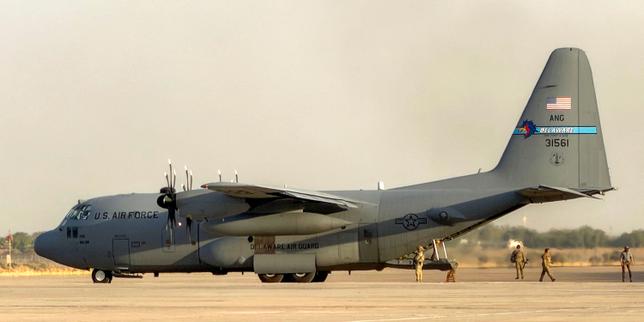
Twelve years after arriving to stop the spread of the Islamic State group, the international anti-jihadist coalition has officially completed its withdrawal from Iraq. Twelve years. Think about how much the region has shifted since 2014, when militant fighters were rampaging across borders and Baghdad looked dangerously close to falling.
Now, the foreign boots are gone. But anyone telling you this marks a neat, clean end to Western military involvement in the region is missing the bigger picture.
Why the Exit is Happening Right Now
Let's be clear about the motivation here. This isn't just about Iraqi security forces finally standing firmly on their own two feet, though Baghdad has spent years upgrading its air defenses and building self-reliant maintenance protocols. It's also about shifting geopolitical realities and relentless domestic pressure inside Iraq.
For months, Iraqi leaders have pushed to transition from a military occupation framework to standard bilateral security partnerships. Local commanders point out that the coalition hasn't run active combat missions on the ground for quite some time. The territorial defeat of the caliphate back in 2017 changed the mandate completely, turning Western troops into advisors and trainers rather than front-line combatants.
Yet, wrapping up a twelve-year mission doesn't mean regional tensions vanish overnight.
The Risks Nobody Wants to Talk About
When you pull out a major international defense umbrella, vacuums appear. That's just how geopolitics works.
In the autonomous region of Kurdistan, local residents and officials aren't popping champagne. They're openly worried about drone attacks and security gaps now that the coalition's advanced radar and air defense networks have packed up and left. Sleeper cells of the Islamic State still exist in remote pockets, operating as low-level insurgent threats rather than a formal army, but they're waiting for an opening.
Then there's the elephant in the room: Iran. With Western troops out of the picture, regional analysts are watching closely to see how Tehran and its local militia allies expand their footprint. Iraq sits at a massive geopolitical crossroads, and local politicians are walking a tightrope between maintaining national sovereignty and managing powerful external neighbors.
What Comes Next for Baghdad
Baghdad is betting everything on self-reliance. The Iraqi military has spent the last year ramping up independent operations, coordinating monthly air force drills, and attempting to establish local manufacturing capabilities for basic defense equipment.
Will it be enough? That depends entirely on political will within the government and whether the security apparatus can remain unified under pressure.
Don't expect stability to magically lock into place just because the foreign flags have been lowered. Iraq is entering a tense, unmapped chapter where it has to secure its own borders without a Western safety net. The real test starts today.