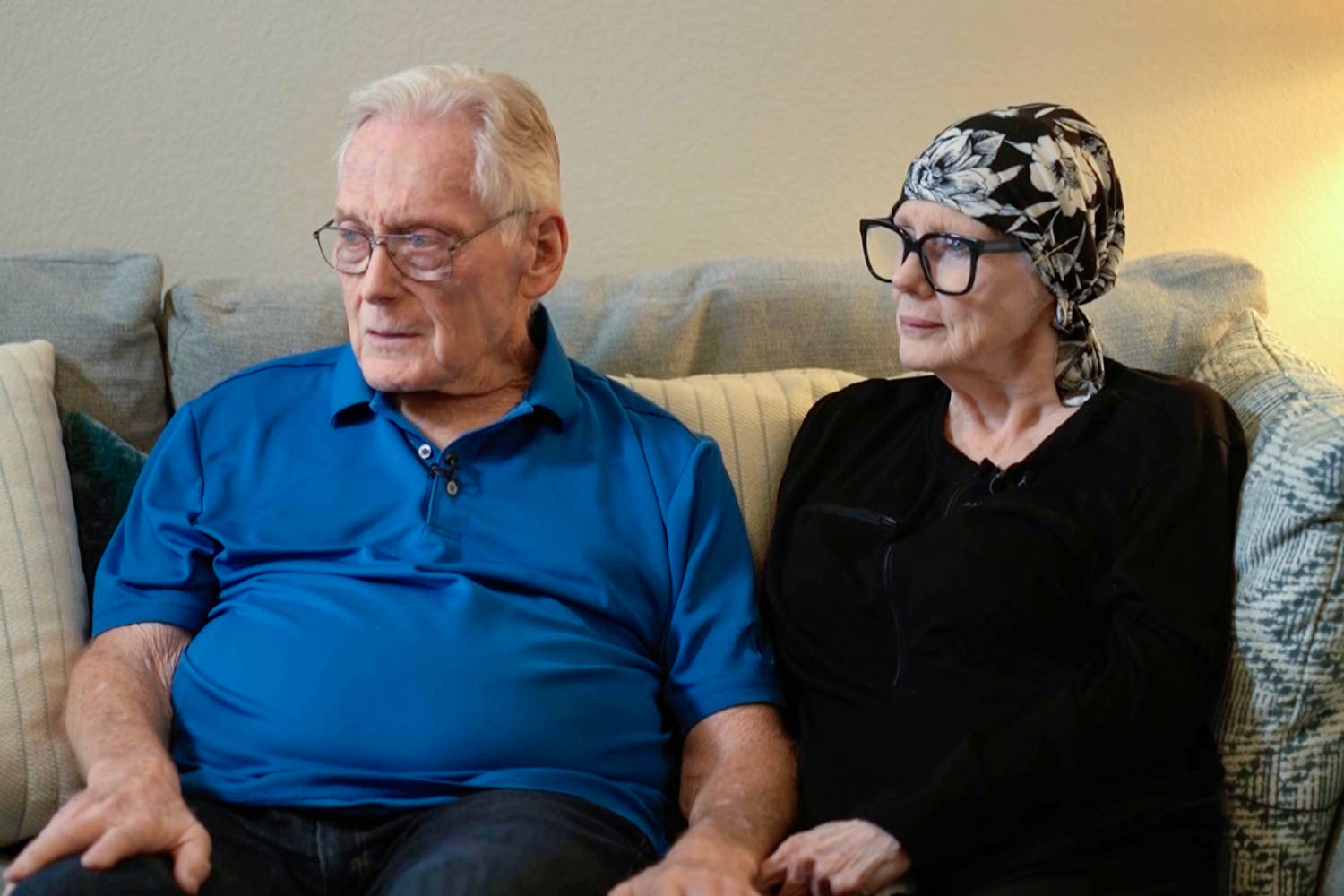
An 81-year-old man hauling heavy luggage to cover medical bills sounds like a plot pulled straight from a tragedy, but it played out in real life on a Texas doorbell camera. Donald Johnson captured the collective sympathy of the internet when footage showed him physically struggling to carry suitcases up a flight of stairs. The reason he was doing it at 81 years old? To help pay for his wife Josephine's ongoing cancer treatments.
Within days, a crowdfunding campaign set up by a local resident named Erin Howell exploded. Donations surged past $280,000, and Donald spoke publicly about how he might finally be able to retire and stay by his wife's side. Then came the sudden reversal. GoFundMe pulled the plug on the fundraiser, refunded every single dollar to donors, and pointed to "factual misrepresentations" in the account setup.
When a viral feel-good story crashes into corporate risk management, public confusion follows instantly. Here is what actually happened behind the scenes and why crowdfunding platforms are cracking down so hard.
The Viral Moment That Moved Millions
The story began when Donald Johnson dropped off lost luggage at a home in The Colony, Texas. A doorbell camera recorded the octogenarian struggling with the heavy bags. The homeowner, Erin Howell, watched the footage, met with him, and learned about his grueling daily routine.
Donald had been working as an independent courier delivering lost luggage for three years, logging massive mileage because it was the only work he could secure. His wife, Josephine, was fighting cancer, and the household expenses were mounting. Howell established a GoFundMe campaign to help them bridge the financial gap, allowing Don to stop working long-hour shifts and focus on caring for his wife.
The internet reacted immediately. Millions watched the clips, donations poured in from around the globe, and the family felt a sudden wave of hope after years of quiet strain.
Why GoFundMe Shut Down the Campaign
The abrupt cancellation shocked supporters who wanted to see an elderly couple get relief. GoFundMe issued statements explaining that its Trust and Safety team identified rule violations regarding transparency and accountability.
Crowdfunding verification processes require strict adherence to identity standards. While details varied across reports, issues often arise when third-party organizers set up campaigns, when account information doesn't match standard banking credentials, or when specific identity guidelines aren't cleared during rapid scaling. GoFundMe stated that because its precise standards weren't met, the Giving Guarantee kicked in, triggering automatic refunds for every donor.
It is a harsh reality of digital philanthropy. Platforms face immense pressure to prevent fraud, protect donors, and eliminate liability. When a campaign goes viral overnight and brings in hundreds of thousands of dollars before standard verification checks can be fully processed, automated safety triggers often step in forcefully.
The Broader Frustration With Modern Survival Stories
The entire episode exposes a much darker reality that people are tired of facing. Why do elderly citizens have to rely on viral internet lotteries to pay for basic medical care?
When a society relies on random acts of internet generosity to fund cancer treatments for an 81-year-old worker, the system has broken down completely. People felt outraged not just because a fundraiser was canceled, but because the situation existed in the first place. Millions of Americans live on the edge of financial ruin due to healthcare costs, turning basic survival into a public relations spectacle.
Whether the campaign returns under a verified profile or the family finds another path forward, the incident leaves a bitter taste. Digital fundraising platforms are built to protect themselves from fraud, but the strict rules often penalize the very people who need help the most.
If you want to support individuals facing medical debt or hardship, look for verified local charities, direct community aid groups, or established hospital financial assistance programs that don't rely on the volatile whims of social media algorithms.