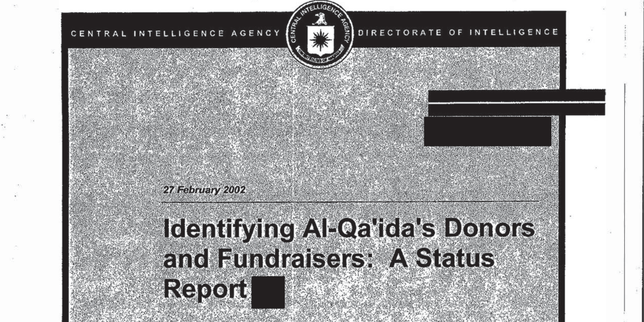
Twenty-five years after the towers fell, the official narrative surrounding the deadliest terrorist attack on American soil continues to fracture. Newly declassified CIA records, British counter-terrorism files, and ongoing civil litigation have thrust old questions back into the spotlight. For decades, official investigations maintained there was no state-sponsored backing from Riyadh for the 9/11 hijackers. But recently unearthed documents show a more complex and disturbing reality. Wealthy networks within the Saudi elite funneled substantial financial support that sustained extremist networks long before and after the attacks.
If you've followed the legal battles waged by victims' families over the past two decades, you know this fight hasn't been easy. The billion-dollar lawsuit against the Saudi government has dragged through federal courts, blocked for years by classification stamps and diplomatic protection. Now, fresh disclosures—including recovered notebooks, flight diagrams, and records concerning figures like Omar al-Bayoumi—are forcing a hard look at why Washington chose to suppress certain details for the sake of geopolitical stability.
The Reality of Financial Flows and State Silence
Government files and investigative reporting paint a picture of quiet institutional protection. While Osama bin Laden was officially cast out and driven into exile by Riyadh, separate streams of private and semi-official money kept flowing to radical elements. Financial investigators examining the period leading up to 2003 discovered massive capital transfers from elite circles within the kingdom that ultimately reached extremist groups.
Why did Western intelligence look away? The answer boils down to cold, hard geopolitics. Preserving an alliance with a vital Middle Eastern energy supplier always trumped complete transparency. U.S. administrations across decades opted to manage the fallout behind closed doors rather than risk an open rupture with the Saudi monarchy.
"When we figured out what it was, we knew that it was the smoking gun that we'd been looking for."
🔗 Read more: salisbury nc 10 day weather
That quote from attorneys representing the families of victims highlights the frustration of dealing with classified walls. The recovered evidence features material seized by British police immediately after the attacks—records that somehow failed to trigger follow-up questions during initial interrogations.
What the Courts and Declassified Files Show Today
The legal landscape shifted when a federal judge allowed the multi-billion-dollar civil case against Saudi Arabia to proceed toward trial, throwing out attempts by the kingdom to dismiss it. Officials representing Riyadh have consistently denied any involvement, asserting that the nation has been a steadfast partner in the global fight against terrorism.
Yet, the documents tell a story of local facilitators operating in plain sight. Consider how the first hijackers, Nawaf al-Hazmi and Khalid al-Mihdhar, were met, housed, and integrated upon arrival in Southern California. Figures connected to Saudi outreach ministries provided localized support that went far beyond mere coincidence.
- Recovered Notebooks: British counter-terrorism seizures included math calculations and aircraft sketches.
- Intelligence Blind Spots: Critical files sat in archives without being shared between British and American investigative units.
- Diplomatic Friction: Successive White Houses resisted declassifying core investigative summaries to protect bilateral ties.
Moving Beyond the Official Story
We have to accept that governments lie to protect alliances. The 25th anniversary of 9/11 isn't just a time for solemn remembrance at Ground Zero; it's a reckoning for accountability. The families who stood up and demanded document releases exposed a systemic failure of nerve in Western intelligence.
If you want the unvarnished truth about modern terrorism, look at how money moves through institutional blind spots. The lesson from these newly surfaced files isn't just about what happened in 2001. It's about how much power protects itself when security interests clash with justice. Stop expecting transparency from diplomatic channels. The real answers only come when victims refuse to stay quiet.