Counter-terrorism police just released the seventh suspect arrested in connection with the security alert at RAF Fairford, bringing the total number of individuals on police bail to seven. If you've been following the headlines coming out of Gloucestershire, you know this case has shifted from local police cordons to international diplomacy almost overnight.
Let's look at what's actually happening behind the noise.
The Reality of the RAF Fairford Security Breach
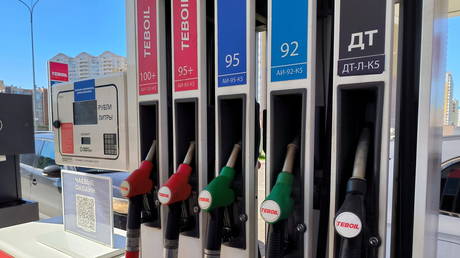
When armed police and bomb disposal teams descended on the rural Gloucestershire perimeter on September 27, 2026, residents faced immediate evacuations. Three vans linked to the initial suspects yielded quantities of gasoline—an accelerant—though investigators found no traditional explosives on site.
Seven men, including a 22-year-old British national detained later in Westminster, have cycled through custody and landed on strict police bail conditions. Critics online love to joke about suspects walking free on bail within hours, but standard British legal procedures dictate strict parameters for ongoing counter-terrorism investigations. Bail doesn't mean freedom from suspicion. It means detectives need time to analyze digital forensics, financial trails, and vehicle telemetry without hitting the statutory pre-charge detention clocks too early.
Geopolitical Pressure and the Iran Factor
You can't separate these arrests from the broader geopolitical board. Prime Minister Andy Burnham stated publicly that the UK sees strong indications of foreign state backing, specifically pointing toward Tehran.
Across the Atlantic, the response was swift. US B-52 and B-1 bombers operating out of the Gloucestershire base were redeployed back to American soil. White House statements didn't mince words about specific threats targeting the facility. Iran has flatly denied involvement, pointing to its established stance that any military installation utilized to project force against its territory is fair game.
This creates a messy intersection of domestic criminal law and international friction. Local counter-terrorism units are forced to process low-level logistical operatives or suspected spotters while high-stakes diplomatic chess pieces move in the background.
Navigating the Information Vacuum
Why do these high-profile investigations feel so opaque? Counter-Terrorism Policing (CTP) operates under strict operational security for a reason. Revealing too much too fast tips off wider cells or destroys digital evidence before servers are seized.
If you're tracking this story, watch for two things moving forward:
- The expiration dates of the current bail periods for the seven suspects.
- Formal Crown Prosecution Service charging decisions or statements on whether the intelligence threshold for prosecution has been met.
Don't expect quick resolutions. Complex state-backed or inspired security plots take months to untangle. Stay critical of fast-moving social media rumors and look at the procedural updates coming straight from investigative authorities.