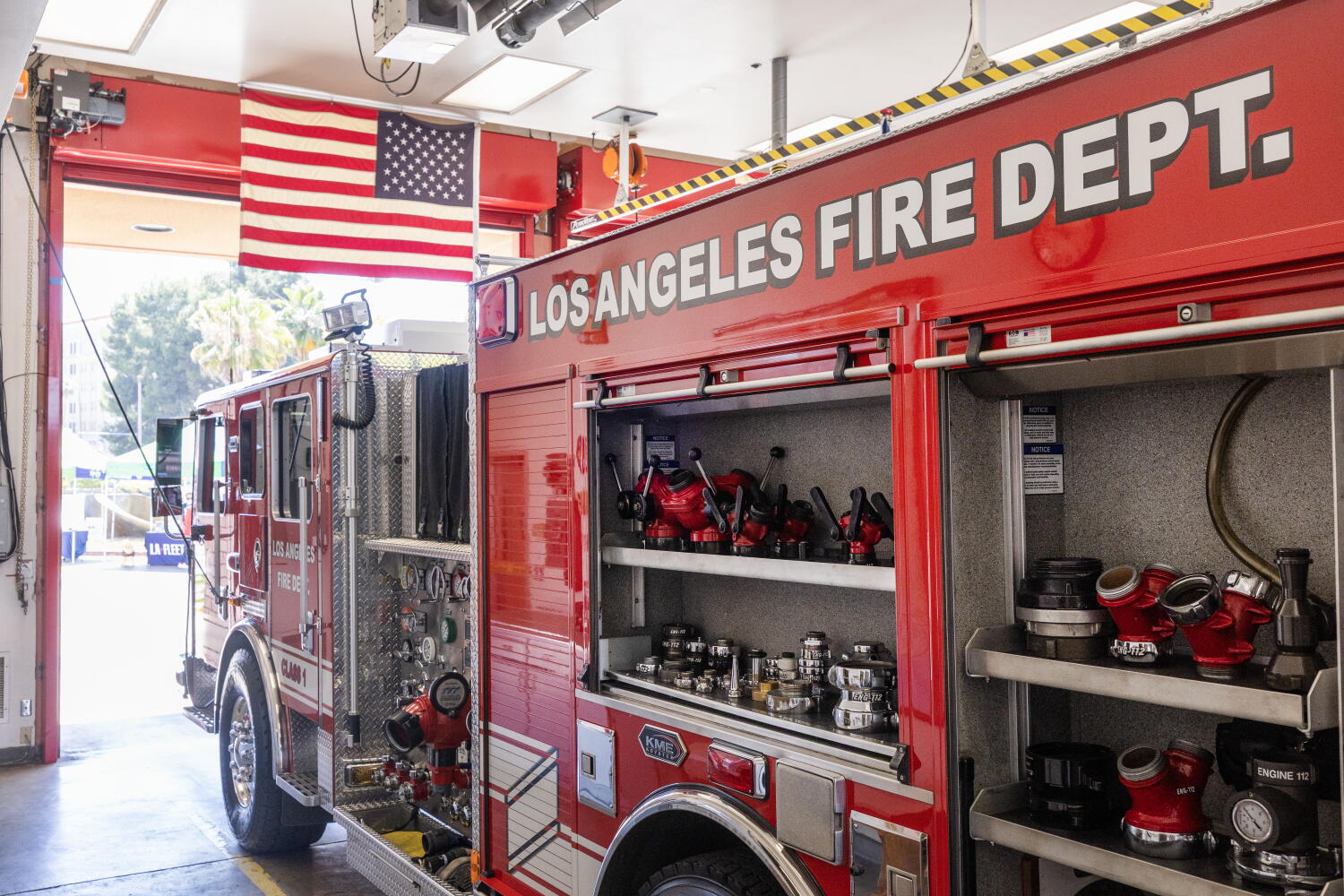
Voters in Los Angeles face a critical choice at the ballot box regarding the future of emergency services. Los Angeles Measure FD proposes a half-cent sales tax increase to fund the Los Angeles Fire Department. If it passes, the city's sales tax rate will jump from 9.75% to 10.25%. Supporters argue the revenue is urgently needed to upgrade equipment, build stations, and hire more personnel. Critics point to the rising cost of living in Southern California and question whether another tax hike is the right solution.
The Fox 11 Los Angeles report on the LAFD funding measure details how the City Council voted unanimously to put the initiative before voters. Fire union officials have long argued that staffing levels have stagnated relative to population growth over the decades. Backers estimate the half-cent increase will generate roughly $345 million in its first year alone. This money is earmarked strictly for core fire department operations, backed by an annual audit and a citizen oversight committee as outlined in the Fund LA Fire Now FAQs.
The Core Arguments For and Against Measure FD
Proponents emphasize public safety and response times. When emergencies happen, seconds count. Union leaders contend that current resources are stretched thin across a sprawling metropolis.
On the other side, fiscal watchdogs and consumer advocates express concern over regressive taxation. Sales taxes hit lower-income residents harder because everyday necessities like clothing and certain goods become more expensive. Pushing the local rate to 10.25% puts Los Angeles on par with or higher than several surrounding municipalities that already max out their taxable limits.
How the Funds Would Be Managed
Accountability remains a central talking point for both campaigns. Proponents note that revenue from the tax hike goes into a special fund dedicated exclusively to the LAFD. To ensure transparency, the ordinance mandates independent audits and public reports submitted to the Mayor, City Council, and Board of Fire Commissioners.
Yet, skepticism persists among voters tired of increasing municipal expenses. Past ballot measures have promised specific outcomes, leaving some residents wary of broad taxation promises without ironclad guarantees on long-term budget allocations.
Review the official voter guide materials and local news coverage to weigh both sides before casting your ballot this November.