Public tragedy rarely unfolds without warning signs. When a local community in Ohio watched the trial of Caleb Flynn, the narrative went far beyond a true-crime headline about an ex-contestant on a famous reality singing show. It exposed how toxic relationships, hidden affairs, and elaborate deception can fester behind a mask of everyday respectability.
On Tuesday, a Miami County jury convicted 40-year-old Caleb Flynn of aggravated murder, felonious assault, and tampering with evidence for the February shooting death of his wife, Ashley Flynn. Ashley, a 37-year-old schoolteacher and volleyball coach, was found dead in their home with two gunshot wounds to the head. The couple's two young daughters were inside the house when police arrived. What followed was an exhaustive investigation that dismantled a carefully constructed web of lies.
The Staged Break-In and Early Police Response
From the very beginning, Flynn tried to script the narrative. When law enforcement arrived at the scene, he claimed that a violent burglar had broken into the home and killed his wife. It was a calculated attempt to position himself as a grieving widower rather than the architect of a murder.
Investigators immediately found inconsistencies. While Flynn maintained he was asleep during the attack, digital data from electronic devices told a completely different story. Phones and tracking data placed him active and moving around the house during the exact window of the murder.
Instead of accepting the break-in theory, detectives dug deeper into the family's private life. They discovered that Flynn, who had worked as a music pastor, was deeply entangled in a long-term extramarital affair.
The Affair and Chilling Text Messages
The state's case relied heavily on the testimony of Alleigha Botner, who met Flynn in 2022 when she was a 20-year-old intern at his church. Their relationship continued for more than a year, fueling Flynn’s desire to leave his marriage without sacrificing his lifestyle or custody arrangements.
Prosecutors presented chilling text message evidence that revealed Flynn's descent into homicidal ideation. Months before the shooting, Flynn sent a message to Botner admitting that he spent hours awake at night "trying to think of ways to kill her and not go to jail."
The night before Ashley Flynn was murdered, Caleb sent another message to his lover that sealed the prosecution's timeline. He wrote, "I choose you. I'm free. Actions will come tomorrow."
During the trial, defense attorneys tried to distance Flynn from the literal interpretation of these texts. They argued that his infidelity did not automatically equate to murder and claimed his statements to his mistress were exaggerated dramatics meant to keep her happy. The jury flatly rejected that defense.
The Shattered Past of a Brief Reality TV Moment
Media coverage inevitably looped back to Flynn's brief brush with fame. Back in 2013, during the twelfth season of American Idol, Flynn appeared on television screens singing for judges Mariah Carey, Randy Jackson, and Nicki Minaj. During that broadcast, he credited his wife, Ashley, as the driving force who encouraged him to chase his musical ambitions.
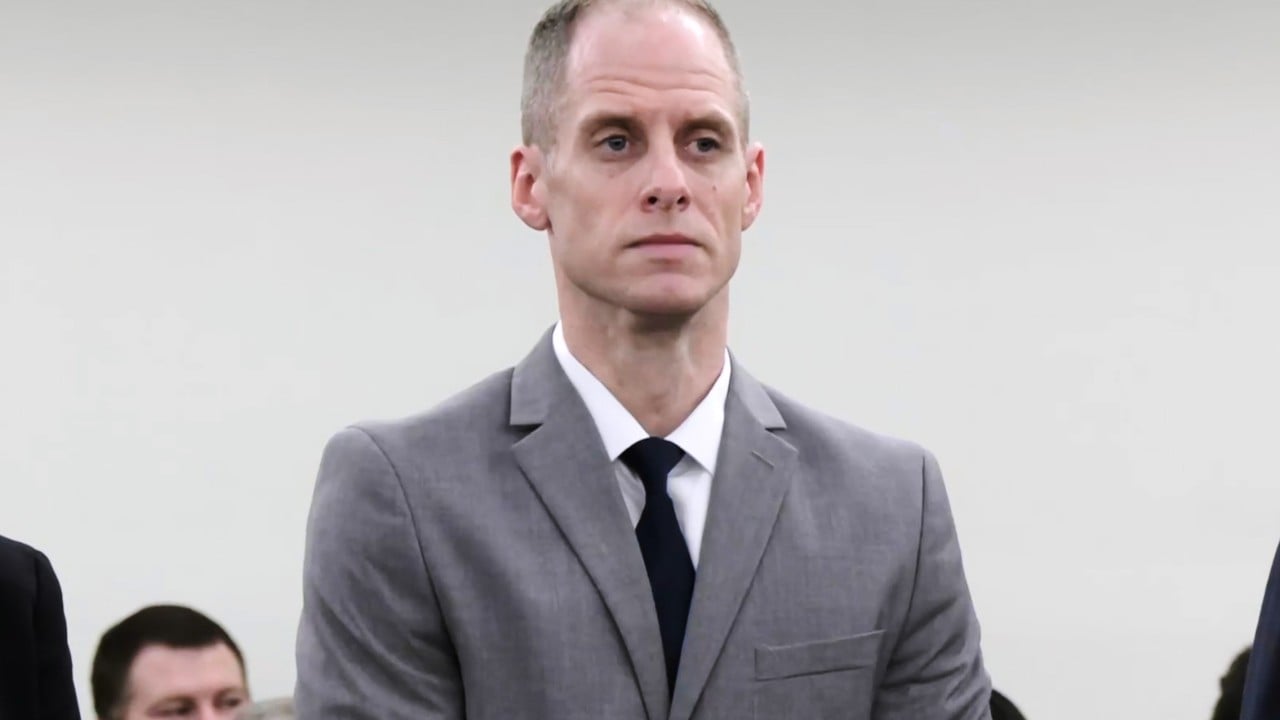
Thirteen years later, that memory stands in stark contrast to the grim reality of the courtroom in Troy, Ohio. As the guilty verdicts were read aloud, Flynn closed his eyes, shook his head, and wept, facing a potential sentence of life in prison without parole.
Cases like this remind us of how easily individuals can compartmentalize dual lives. Behind church pulpits, social media feeds, and brief TV appearances, severe domestic crises can boil over into irreversible violence. The verdict offers a measure of accountability for Ashley Flynn's family and students, closing a dark chapter on a tragedy that shocked a quiet Ohio community.