Crime doesn't care about your plans. When a criminal enterprise goes sideways, the legal fallout hits hard and fast.
Shiloh Norton just found out how quickly a botched plan turns into a manslaughter conviction. Two years after a disastrous arson attempt at a Greek tavern in Scarborough, the legal system is catching up to the conspirators. A Scarborough restaurant became a death trap when an accomplice accidentally ignited gasoline near a live pilot light.
Let's look at what actually happened on that June night, how the law treats accidental deaths during felonies, and why this case highlights the brutal reality of criminal liability.
The Anatomy of a Botched Arson Plot
On June 21, 2024, the blueprint for disaster began. Norton, then 21 years old, left his home and took an Uber to a parking lot near Martin Grove Road and Eglinton Avenue. He climbed into a stolen Acura RDX—reported stolen to Peel Regional Police just a day earlier.
He picked up 26-year-old O'Brien Todd and an unnamed 16-year-old youth. Their destination was Molon Lave Taverna, located at 1176 Kennedy Rd.
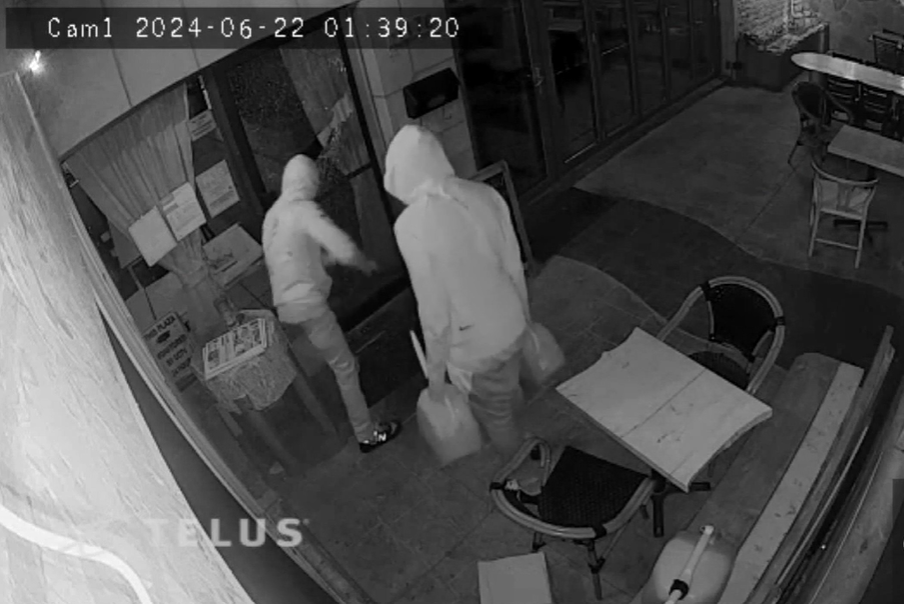
Surveillance footage laid out the sequence of events with chilling clarity:
- The stolen SUV reversed into the restaurant's parking lot at roughly 1:35 a.m. on June 22.
- Todd carried a metal club used as a steering wheel lock, heading straight for the front door.
- Norton stayed in the driver's seat while the teen grabbed three jerry cans packed with gasoline from the trunk.
- Todd smashed the glass door. Both accomplices crawled inside while Norton waited outside to drive the getaway vehicle.
Inside the establishment, Deputy Crown attorney Melissa Mandel explained that the duo splashed gasoline across the interior. Todd moved into the kitchen area with a gas can. He threw fuel directly onto a gas stove that featured an active pilot light.
An explosion and flash fire erupted almost instantly.
The Legal Reality of Felony Murder and Manslaughter
Most people assume you can't be charged with murder or manslaughter if you didn't mean to kill anyone, or if your partner in crime died by their own hand. That is a dangerous legal misconception. Under Canadian law, if someone dies during the commission of a dangerous unlawful act—like arson—every participant involved in the conspiracy can face serious homicide charges.
Norton pleaded guilty to manslaughter and arson. Even though he sat in the car outside while the fire broke out, his role as the driver and planner tied him directly to the catastrophic outcome.
Todd didn't make it out. He fell while trying to flee through the front entrance, trapped by smoke and flames. The 16-year-old accomplice managed to crawl back through the broken glass with severe wrist injuries and burns, scrambling into the waiting Acura. Norton drove them back to Keele Street and Eglinton Avenue West, parked the stolen vehicle, and took an Uber home as if nothing happened.
Fire crews and police arrived to find a raging structure fire. Todd's official cause of death was smoke inhalation.
Piling Up the Violations
Norton wasn't just breaking the law by torching a restaurant. He was actively violating multiple court orders at the exact moment of the crime. Court documents revealed a stack of active restrictions:
- A release order from June 4, 2024, demanding he respect an 11 p.m. to 6 a.m. curfew.
- A probation order out of Napanee from June 30, 2023, barring him from possessing car keys without owner permission alongside a two-year driving ban.
- Another probation order from June 22, 2023, requiring him to keep the peace and be of good behavior.
When you stack multiple breaches on top of a major felony, prosecutors have an airtight case. Norton realized a trial was pointless and entered a guilty plea.
Meanwhile, the 16-year-old co-accused was found guilty after a trial on counts including manslaughter, arson with disregard for human life, and possession of incendiary material. Because of his age, a publication ban protects his identity. His sentencing is scheduled for October. Norton's sentencing date remains pending.
What This Case Teaches Us About Risk and Accountability
People often romanticize criminal behavior through movies or television, imagining clean getaways and foolproof schemes. Real-world crime is messy, chaotic, and frequently lethal to the perpetrators themselves.
If you choose to participate in a criminal conspiracy, you share full responsibility for every disastrous variable that follows. A single live pilot light turned a late-night property crime into a homicide investigation.
Check your associations, obey the law, and recognize that cutting corners or violating court orders always catches up to you in the end.