Britain is spinning out. If you look past the revolving door at 10 Downing Street—where prime ministers burn through tenures faster than you can track—the actual physical map of the country is starting to tear apart at the seams.
Scotland, Wales, and Northern Ireland are moving aggressively toward the exit. Meanwhile, the economic hangover from the 2016 vote refuses to lift.
You're watching the slow-motion fracture of a union. Westminster is paralyzed, populist factions are circling like vultures, and the ultimate fix nobody in power wants to say out loud is coming back onto the table. A Brexit reversal.
Let's look at why the United Kingdom is facing its most dangerous constitutional crisis in modern history and how turning back the clock on the European Union split might be the only emergency brake left.
The Celtic Fringe Steps Up Its Exit Strategy
Let's get one thing straight. Britain is not a federation. It's an awkward union of four distinct territories held together by history and the Crown. That arrangement is failing.
Back in September 2026, the provincial governments of Scotland, Wales, and Northern Ireland signed the Cardiff Declaration. They didn't sign it for a photo op. They signed it to formally demand self-determination and plot out synchronized referendums.
For the first time following local elections, every single one of those regional governments is led by parties whose primary reason for existing is separation from the UK.
- Scotland: The Scottish National Party has spent over a decade pushing for independence following their 2014 referendum where 55 percent voted to stay. They want back into the European Union as an independent nation.
- Wales: Historically the quietest of the three on separatism, Welsh national politics have shifted dramatically, making independence an active mainstream debate rather than a fringe talking point.
- Northern Ireland: Under the 1998 Good Friday Agreement, the path toward a unified Ireland is written into law if the population wills it. With Dublin and major regional factions leaning heavily into unification, Westminster's grip is weakening.
Ten of the twenty-seven European Union member states have smaller populations than Scotland. Seven are smaller than Wales. These regions don't see themselves as economically unviable. They see themselves as trapped in a sinking ship steered by London.
Why Westminster Keeps Burning Through Leaders
Political instability in the UK isn't just bad luck. It's a structural disease. Since the 2016 Brexit referendum smashed David Cameron's government, the country has cycled through prime ministers at a dizzying pace.
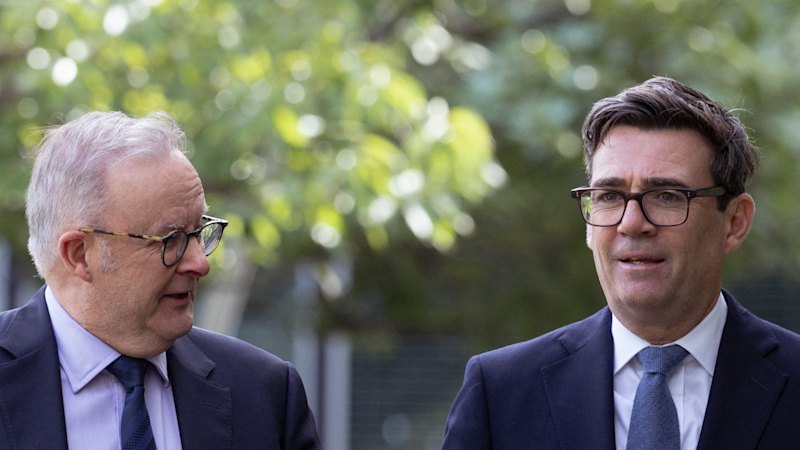
Boris Johnson won a massive majority in 2019. Keir Starmer won another landslide in 2024. Both were shown the door by their own parties before their terms could mature. Andy Burnham stepped into the role facing a cratering economy and a deeply fractured electorate. Recent mega-polls show Labour shedding massive chunks of support within months of taking office.
Why? Because every prime minister is trying to solve twenty-first-century economic problems using an isolated economic model that bled trade, throttled labor supply, and choked growth.
When you cut your economy off from your largest, nearest trading block, you don't magically unleash global Britain. You create endless supply chain bottlenecks, labor shortages in agriculture and healthcare, and persistent inflation. The numbers don't lie. Economic forecasters have consistently shown that post-Brexit trade barriers sharded national productivity.
The Rejoining Whisper Becomes a Shout
For years, saying you wanted to undo the 2016 referendum was political suicide. Mainstream leaders from both major parties treated Brexit like a holy relic that couldn't be touched.
That taboo is shattering.
Andy Burnham refused to rule out taking a policy for a second EU referendum into the next election cycle. Former Prime Minister Tony Blair jumped into the public sphere arguing that Britain must resume full membership within a decade. On the European side, European Commission President Ursula von der Leyen has floated intermediate steps like associate membership—similar to models used by countries like Canada.
Politically, a second referendum or a clear pathway to rejoining the EU might be the only lifeline left for a struggling Labour government. More importantly, it might be the only bargaining chip strong enough to keep Scotland and Wales from walking out the door. If the choice is between staying in a broken, isolated UK or rejoining the European market as independent states, the Celtic fringe will choose Europe every single time.
What Happens Next
If you are tracking European politics or global markets, stop ignoring the British constitutional crisis. It is entering its final, most volatile phase.
The next general election won't just be about taxes or healthcare. It will be a referendum on the survival of the British state. If Labour ends up in a hung parliament, minor nationalist parties will demand a heavy price for their support—and that price will be a Scottish independence vote and a path back to Brussels.
The architecture of twenty-first-century Europe requires scale, integration, and open borders. Isolationism is breaking the UK apart from the edges inward. Reversing Brexit isn't just about trade anymore. It's an existential necessity to keep the kingdom together.