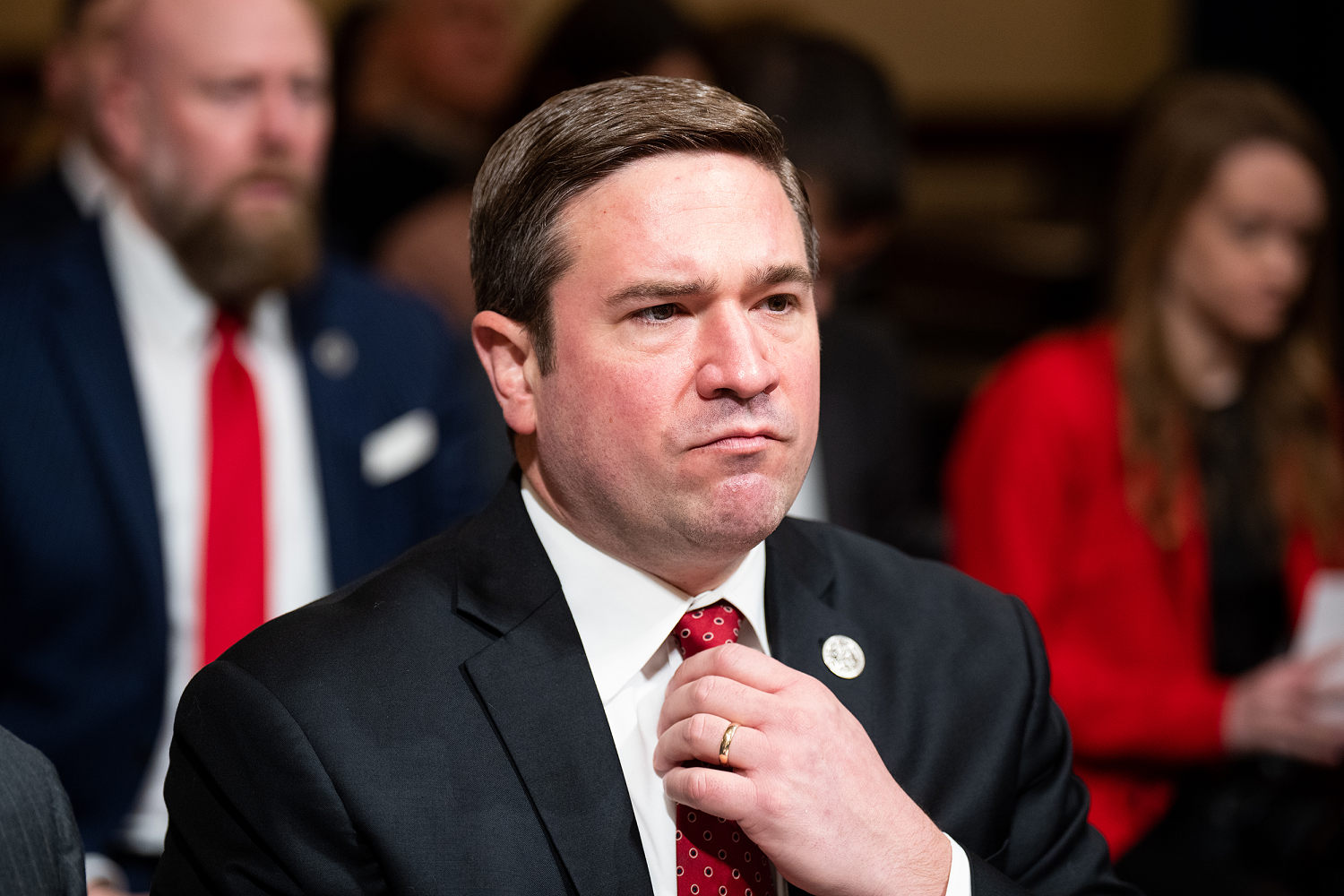
Federal Bureau of Investigation Co-Deputy Director Andrew Bailey is stepping down from his post after serving for just over a year. Bailey announced his departure, pointing to a desire to return to his family in Missouri. His exit marks a notable shift within the top leadership tier under FBI Director Kash Patel, especially given Bailey's status as a prominent political figure and former Missouri Attorney General who was once viewed as a key player in the bureau's high-profile reform efforts.
When Bailey joined the agency, he stepped into a volatile administrative environment marked by sweeping leadership restructuring and intense public scrutiny. Working closely with Patel, Bailey helped steer major operational directives, including election-related inquiries and violent crime reduction initiatives. His tenure featured high-visibility actions, such as being present earlier this year when agents seized 2020 election ballots from Fulton County, Georgia. Yet, behind the scenes, reports indicated growing internal friction and communication challenges within the bureau's upper echelons, highlighting the steep hurdles facing political appointees attempting to overhaul federal law enforcement.
The Backdrop of Bureau Upheaval
Bailey's departure arrives during a period of massive turbulence across the federal justice system. Under Patel, the FBI has experienced significant staff turnover, with career agents leaving voluntarily or facing pressure over perceived political biases. While internal memos and public statements emphasize personal and family reasons for Bailey's exit, agency insiders point to a complex internal landscape where top-tier officials sometimes struggled to maintain alignment on strategic priorities.
Before taking the federal post, Bailey built a reputation as a fierce conservative litigator in Missouri. He served as the state's Attorney General and was even floated as a top contender for U.S. Attorney General before President Donald Trump ultimately nominated Pam Bondi, who was later succeeded by Todd Blanche. Bailey's political background always meant his time at the bureau would draw heavy political and media attention.
What Comes Next for the Agency
With Bailey's effective departure date set for early October, the leadership vacuum at the top of the bureau demands immediate attention. Patel and Attorney General Todd Blanche face mounting pressure to stabilize the agency's command structure while continuing aggressive institutional overhauls. Whether Bailey returns to Missouri politics or pursues other public service opportunities remains unconfirmed, but his brief, high-impact tenure underscores the relentless pressures defining modern federal law enforcement leadership.