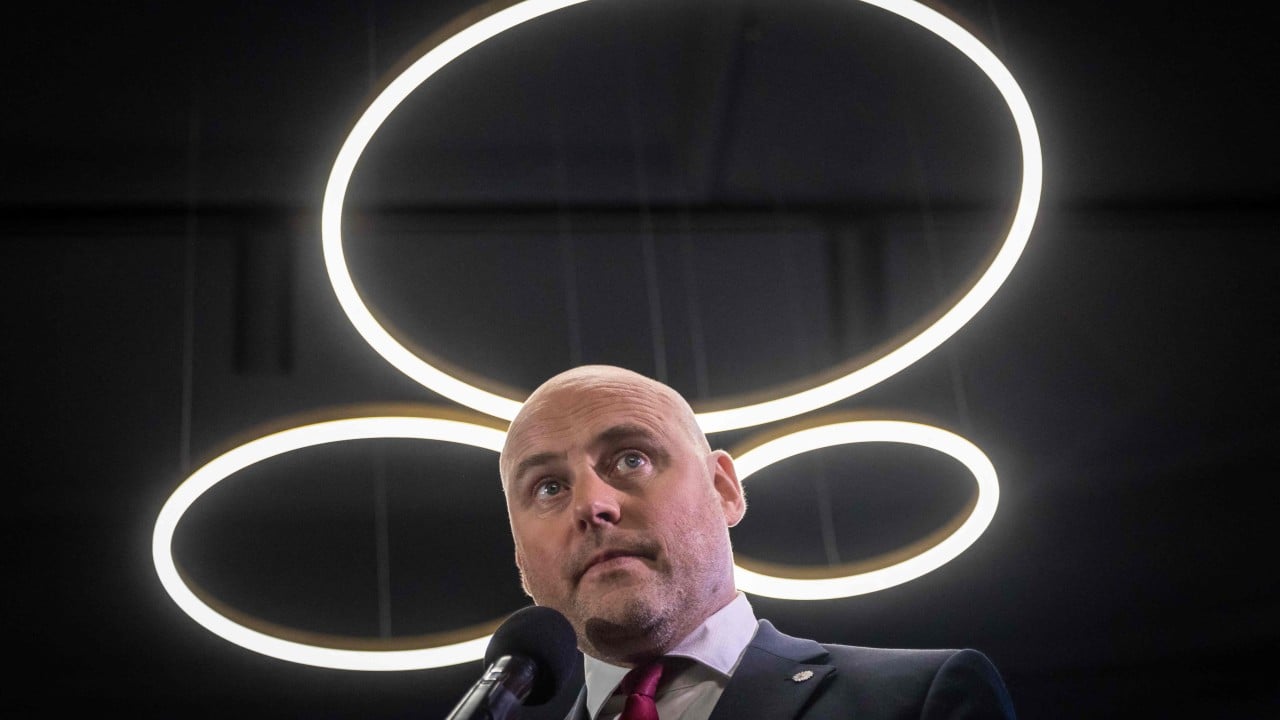
When Prime Minister Andris Kulbergs took the helm in Riga last May following political fallout over stray Ukrainian drone strikes, pundits figured his tenure would be short-lived. They were wrong. As exit polls rolled in from across the Baltic nation, Kulbergs and his centrist United List party secured a commanding lead in a parliamentary election completely overshadowed by regional security threats and crushing living costs.
If you think this is just another standard European ballot, look closer. Latvia sits right on the front line of Western tensions with Moscow. With defence spending soaring toward nearly five percent of gross domestic product, voters weren't just picking local lawmakers. They were voting on whether to keep standing shoulder-to-shoulder with Ukraine or pull back as inflation bites hard into household budgets.
The Security Dilemma Inside Riga
Society here is deeply fractured. While many citizens view the ongoing war next door as an existential threat to Baltic freedom, others feel abandoned by skyrocketing prices and stagnant wages. Latvia remains the poorest of the Baltic states. Day-to-day survival feels a lot more urgent to a working-class family in Riga than grand geopolitical postures.
Kulbergs didn't shy away from these divisions. He leaned straight into them, arguing that dismissing regional security risks is a fatal mistake. Yet, winning the most votes doesn't mean a clear path forward. Latvia's fragmented political system means coalition negotiations will be brutal. Kulbergs needs reliable partners to form a stable government, and finding them will test every ounce of his political agility. Further reporting on the subject has been published by The Washington Post.
What Happens Next for Baltic Security
The big question now isn't whether Latvia will flip its pro-European trajectory—it won't. The real test is how quickly a new administration can patch together a ruling coalition without fracturing over economic pain. Strains on healthcare, low wages, and long-term population decline are waiting on the desk of whoever takes charge.
You can expect intense horse-trading in the coming weeks as party leaders haggle over ministries. Kulbergs has scored an impressive victory against heavy odds, but governing a deeply divided nation under the shadow of a hostile neighbor requires more than a strong election night. It demands keeping an exhausted public on board while defense budgets consume billions.
Don't expect quick answers. Baltic politics are entering a high-stakes chapter, and the rest of Europe is watching closely.