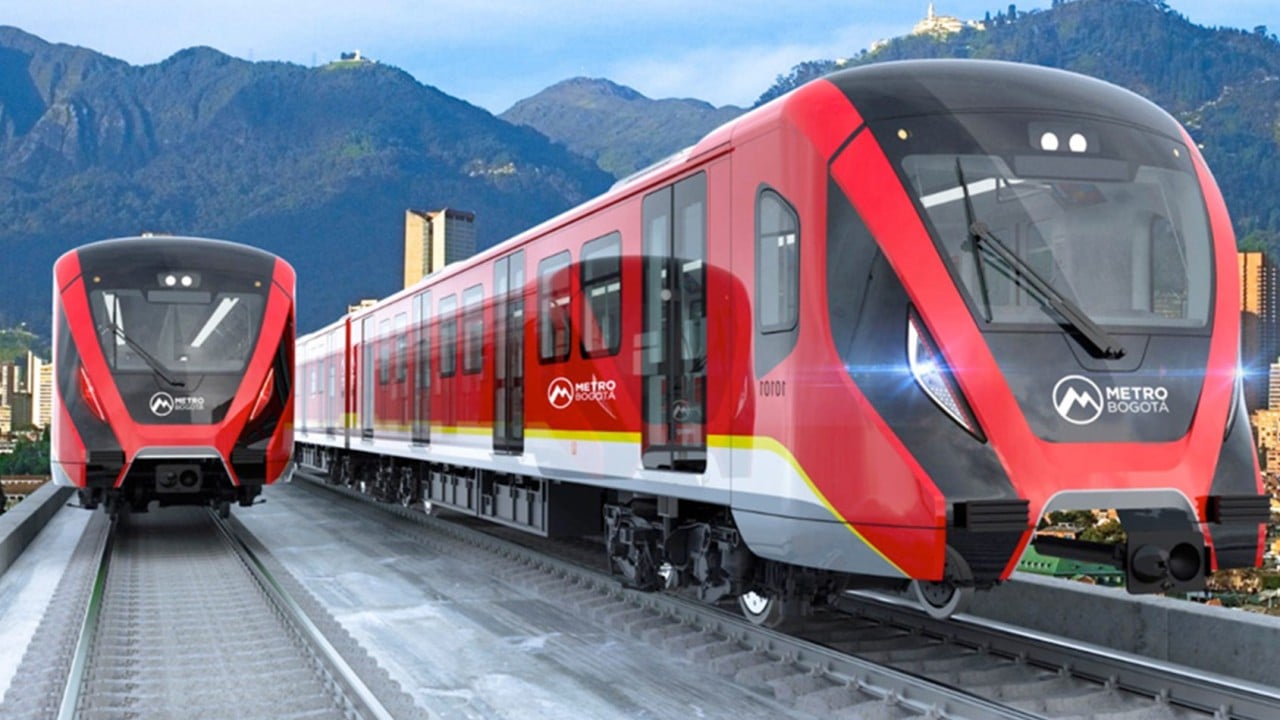
Bogota has waited over eighty years for a proper transit system. Now that construction on the capital's first metro line is finally underway, a new crisis is threatening to derail the timeline. City hall is pushing back hard against the Chinese-led consortium responsible for the build, demanding an immediate ramp-up in manpower as official auditors sound the alarm over mounting schedule slips.
If you live in Bogota, traffic isn't just an annoyance. It's a daily tax on your time, sanity, and economic potential. Millions of commuters rely on overcrowded buses to traverse a sprawling urban grid that has long outgrown its infrastructure. That's why any threat to the 2028 commercial operation target for Metro Line 1 hits a raw nerve. When local oversight bodies flag delays, residents listen.
The Reality Behind the Auditor Warnings
Recent reports from the Comptroller's Office dropped a stark warning on the city desk. Auditors detected an overall execution delay of roughly 4.5 percent on the first line. While that number might sound small on paper, the localized delays are much worse. Critical components like station development, technical system integrations, and public space renovations are lagging far behind initial projections.
Mayor Carlos Fernando Galán isn't waiting around for excuses. Facing contractor bottlenecks, city leadership has pressed the consortium—comprising China Harbour Engineering Company and Xi'an Rail Transit Group—to inject more workers onto the sites immediately. Megaprojects live and die by labor force allocation. If you don't have enough boots on the ground working multiple shifts, schedules spiral out of control fast.
What Went Wrong with Construction Speed
Building a nearly 24-kilometer elevated railway through one of South America's densest urban environments is an engineering nightmare. Utility relocations, bureaucratic red tape, and supply chain hiccups always play a part. But the core issue coming to light is simple workforce bandwidth.
Contractors often bid on massive international projects with lean staffing models, hoping to optimize margins. When real-world complexities hit, those lean teams break under the pressure. City officials are realizing that current staffing levels simply cannot sustain the pace required to hit milestone deadlines.
You can't pave over a labor shortage with good intentions. Bogota's administration understands that if the consortium fails to ramp up hiring and shift management right now, the scheduled 2028 rollout will slip into the next decade.
The Wider Stakes for Chinese Infrastructure Abroad
This clash isn't just a local transit dispute. It highlights a recurring friction point in global infrastructure development. Chinese state-backed enterprises are building massive public works across Latin America, Africa, and Asia. These projects promise transformative economic growth, but they frequently spark local friction over labor practices, transparency, and schedule adherence.
When local politicians have to publicly pressure international conglomerates to staff their own job sites properly, trust erodes. Citizens want functioning transit, not endless construction barricades choking city avenues.
The pressure is now squarely on the consortium to deliver the required labor force and prove they can meet the audit demands without cutting corners on safety or quality. Bogota's commuters have waited nearly a century for a metro. They won't forgive another decade of excuses.
Get your daily commute ready for a bumpy few years. The real test of this megaproject starts now.