Latin America's largest democracy is walking a tightrope. Millions of Brazilians are casting ballots in a fierce presidential showdown that has exposed raw cultural and political nerves across the country.
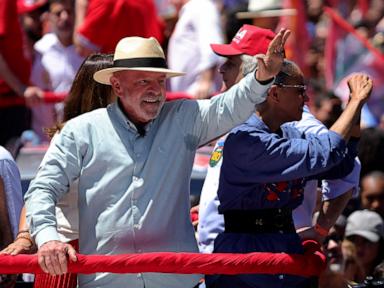
If you've been following international headlines, you know this isn't just another routine election. It's a high-stakes referendum on the nation's future, pitting incumbent President Luiz Inácio Lula da Silva against Senator Flávio Bolsonaro, representing the conservative movement of his father, former President Jair Bolsonaro.
Let's break down what's actually driving this historic vote and why the rest of the world is watching closely.
The Clashing Forces Shaping the Race
The contest features two vastly different visions for Brazil. On one side stands Lula, the veteran leftist leader trying to cement another term, banking on his historic social programs and deep-rooted support among working-class communities. On the other side stands the Bolsonaro camp, channeling fierce conservative values, evangelical backing, and a platform centered on economic development and public safety. For another angle on this development, check out the latest coverage from Wikipedia.
Public safety is weighing heavily on voters' minds this year. Recent polling data from firms like Quaest shows that nearly a third of the electorate identifies rising crime and violence as the most pressing crisis facing the country. When people walk into the voting booth, they aren't just thinking about abstract political theory—they're thinking about everyday security.
The Long Shadow of Recent History
You can't understand today's political friction without looking at the events of January 8, 2023. Following previous electoral battles, thousands of radicalized protestors stormed government buildings in Brasília, echoing scenes from the United States Capitol two years prior. That institutional trauma lingers. Democratic norms feel fragile, and election security remains a constant talking point among voters and international observers alike.
Furthermore, the mechanics of representation are shifting. New rules enforced by Brazil's Superior Electoral Court mandate that political parties direct proportional funding and broadcast time toward Black, female, and Indigenous candidates. For the first time, specific quotas for Indigenous representation are active, pushing demographic diversity to the forefront of national politics.
What Happens Next
If neither candidate secures an outright majority on Sunday, the race heads straight to a tense runoff on October 25. Every single district matters, and swing regions will determine the ultimate winner of this bitter political tug-of-war.
The outcome will dictate everything from environmental policies in the Amazon to international trade alliances across the globe. Keep your eyes on official tracking updates from regional electoral bodies as the votes roll in.