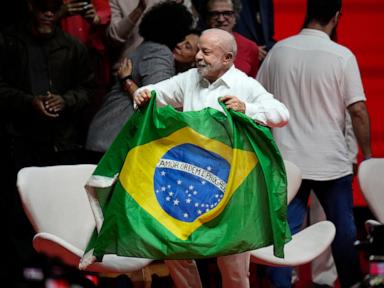
Millions of Brazilians woke up to a sudden executive order that shocked the booming digital gambling economy. President Luiz Inácio Lula da Silva signed a sweeping decree banning fixed-odds betting nationwide, just days before a tight presidential vote.
If you watch South American politics, the timing raises obvious eyebrows. Critics call it a naked election-year stunt designed to capture worried working-class votes. Supporters call it an emergency intervention against a modern financial plague.
Let's look at what's actually happening on the ground. Brazil's online gambling market exploded after sports betting was legalized in 2018. By 2025, revenues surpassed $4 billion annually. That rapid growth came with a heavy human cost. Household debt skyrocketed. Families watched essential grocery money vanish into online apps within seconds.
Lula didn't mince words when signing the measure, describing fixed-odds betting as "like a cancer" spreading through communities.
The Mechanics of the Ban
The emergency decree didn't just tweak regulations—it slammed the brakes hard.
New deposits into betting accounts stopped immediately. Platform users received a strict deadline of October 5 to withdraw their remaining funds before accounts face total freezes. The government also targeted digital visibility. Companies must pull advertisements and branding off websites and sports sponsorships by that same October deadline.
Banking institutions received direct orders to block all transactions connected to gambling platforms. Meanwhile, federal task forces began hunting down unlicensed operators.
Industry lobbyists pushed back instantly. They claimed the sudden restriction would spell the absolute end of Brazilian soccer, given that major teams rely heavily on betting sponsorships. Ordinary fans mocked those warnings on social media, pointing out that football existed long before online casinos bought jersey space.
Politics and the Timing Problem
You can't ignore the political calendar. Lula is fighting for a historic fourth term in an intensely polarized political environment. Recent polls indicate the ban plays exceptionally well among older voters, exhausted parents, and lower-income families drowning in debt.
Opponents argue the executive order is a temporary populist trick. They claim operators will find loopholes or that a future administration might quietly reverse the policy once the ballots are cast. Legal experts also point out constitutional hurdles. Executive orders in Brazil cannot create criminal offenses on their own, prompting the administration to send a separate bill to Congress proposing up to six years in prison for illegal online betting operators.
Whether this ban survives long-term legal challenges depends entirely on congressional battles ahead.
What Happens Next
If you run digital marketing campaigns or hold investments tied to Latin American entertainment tech, the landscape shifted overnight. Unlicensed sites face immediate criminal prosecution threats. Licensed operators are scrambling to figure out if they will receive proportional refunds for expensive licensing fees paid to the state.
Monitor the October 5 withdrawal deadline closely. Watch how Congress handles the follow-up criminal penalties bill before making any assumptions about the future of digital wagering in South America's largest economy.
Brazil's President Lula bans online betting ahead of presidential election
This video provides direct coverage and visual context regarding President Lula da Silva's emergency executive order banning fixed-odds online betting just days before the national election.
http://googleusercontent.com/youtube_content/1