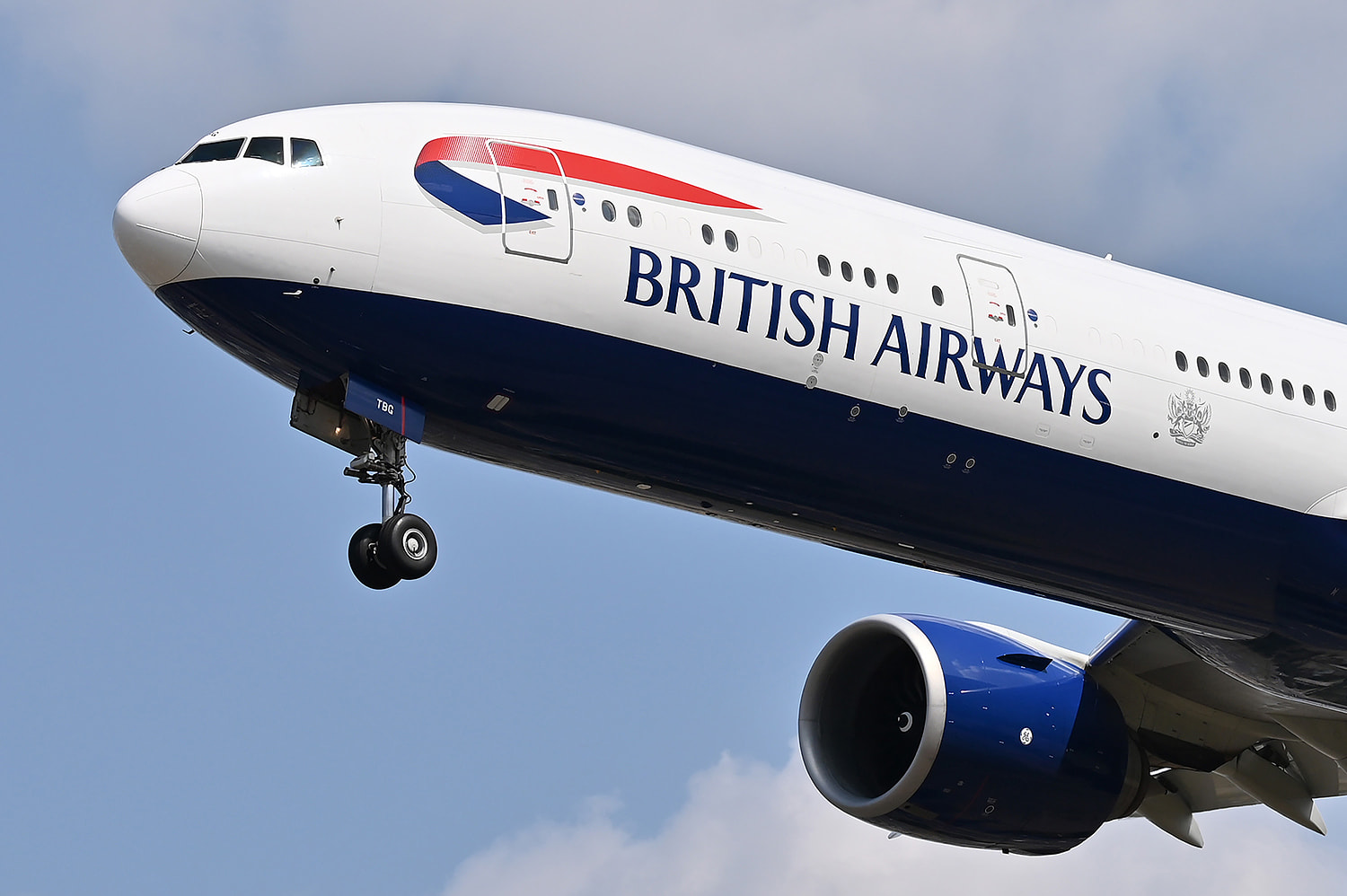
When a transatlantic airliner plunges nearly 28,000 feet in a matter of minutes, passenger panic is practically guaranteed. That is exactly what happened aboard British Airways flight BA295, a scheduled service from London Heathrow Airport to Chicago O'Hare International Airport, forcing an emergency turnaround over Irish airspace.
Flight tracking data captured the dramatic descent as the Boeing 777-200ER dropped from its cruising altitude of 37,000 feet down to 9,000 feet. The crew squawked 7700, the universal code for an in-flight emergency. Within hours, the aircraft landed safely back at Heathrow, but the incident left aviation watchers asking hard questions about what went wrong in the skies above the Atlantic.
What Actually Happened on Flight BA295
The flight departed Heathrow at roughly 11:50 am local time. It was supposed to be a standard eight-hour-and-forty-minute journey across the pond. Instead, about an hour into the route while flying over Ireland, the aircraft initiated a rapid, controlled descent.
Dropping 28,000 feet isn't something pilots do for fun. It points directly to a pressurized cabin issue or a severe technical malfunction requiring immediate descent to a breathable altitude. When pilots lose cabin pressurization at 37,000 feet, standard operating procedure demands an emergency descent to 10,000 feet or lower where supplemental oxygen isn't required for survival.
The aircraft leveled off at 9,000 feet, made a sharp U-turn, and tracked all the way back to London. British Airways later confirmed that the plane touched down safely without injuries reported among passengers or crew, though ground emergency services met the aircraft upon arrival as a standard precaution.
How Emergency Descents Work in Commercial Aviation
Most travelers don't think about rapid descents until they happen. Modern commercial jets like the Boeing 777 are built with heavy redundancy, but sudden technical faults still happen.
When a crew initiates a rapid descent, the experience inside the cabin is intense. Oxygen masks drop automatically from the overhead compartments. The engines spool back, and the aircraft noses down aggressively to shed altitude as fast as physics and structural limits allow. It feels like a roller coaster, but it is a calculated, life-saving maneuver designed to protect everyone on board from hypoxia.
Pilots train for these scenarios repeatedly in simulators. They do not guess; they execute emergency checklists from memory.
What Travelers Should Know About Air Safety
Incidents like this make headlines because they sound terrifying. Statistically, commercial aviation remains the safest mode of transportation on earth. A rapid descent followed by a safe return to the departure airport is a testament to the rigorous safety protocols built into modern aviation. The system worked. The crew recognized a technical issue, squawked the emergency code, brought the plane to a safe altitude, and returned home.
Check your flight tracking apps if you want real-time data, but remember that squawk 7700 alerts air traffic control across the globe instantly, mobilizing emergency support before the wheels even touch the tarmac.
Review your airline's passenger rights if your long-haul flight is disrupted by technical turnarounds. Airlines are required to provide rebooking options, meals, and accommodations while engineers inspect the aircraft.