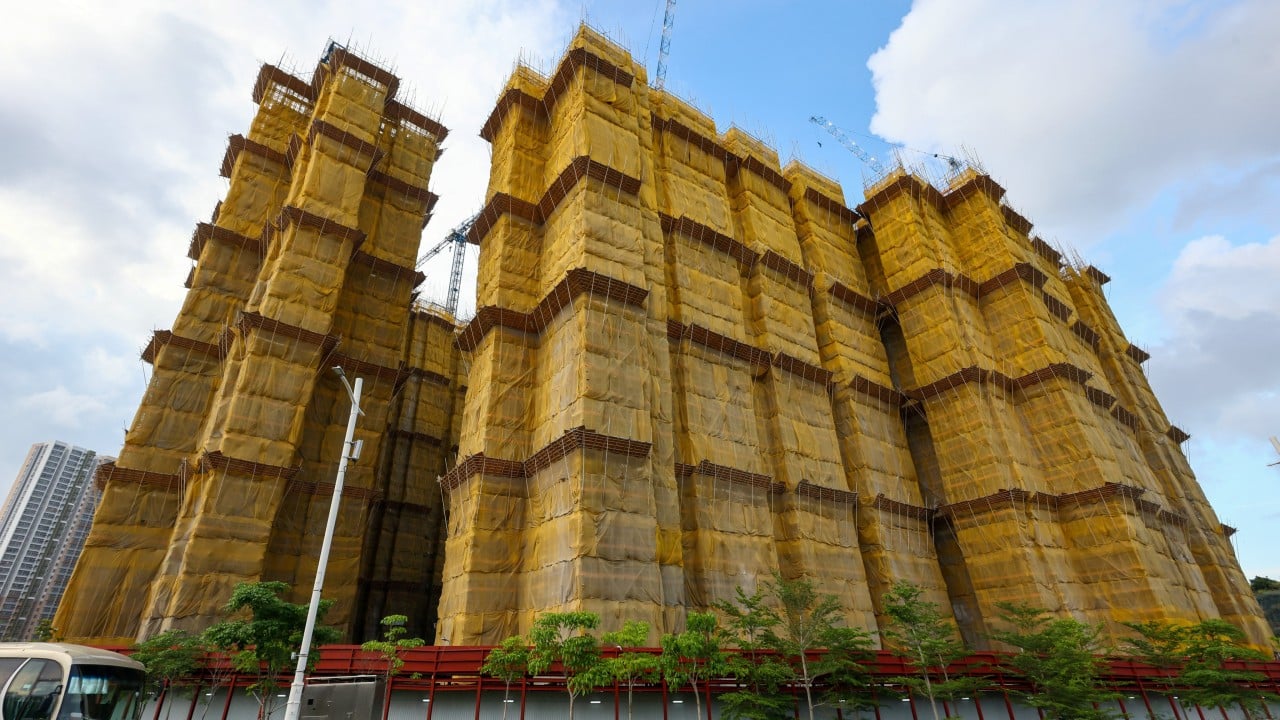
When a developer decides to demolish three entire residential blocks rather than patch them up, the construction industry stops and listens. CK Asset Holdings recently made that exact hard call at a subsidized housing site in Hong Kong. They found structural steel irregularities that failed to meet their design specs, and instead of taking a shortcut, they chose total demolition.
It is a rare move. Most builders try to reinforce or negotiate tolerances. CK Asset chose a clean slate.
If you watch large-scale urban development closely, you know that concrete and steel issues rarely stay quiet for long. But how did this happen, what are the direct consequences for Hong Kong's housing pipeline, and what does this mean for buyers putting their hard-earned money into new projects? Let us break down the reality behind the headlines.
The anatomy of a structural steel scandal
Substandard construction materials are every project manager's nightmare. At the heart of this issue are deviations in steel reinforcement used across three specific residential blocks at the Hung Shui Kiu starter homes project. For another look on this story, refer to the latest coverage from The New York Times.
Engineers discovered that parts of the steelwork didn't line up with the strict approved blueprints. In construction, margins are tiny for a reason. Buildings carry massive dead loads and live loads, and wind resistance calculations leave zero room for creative interpretation. When routine site audits flagged anomalies, management faced a stark choice. They could argue safety margins with the Buildings Department, or they could tear it down.
They chose the wrecking ball.
Honestly, that decision saves lives, but it costs millions and hammers project timelines. Substandard steel isn't just an administrative headache. It compromises the structural integrity of the entire podium and tower interface. When steel fails to meet tensile strength or placement requirements, concrete can crack under stress long before the building hits its design lifespan.
Why demolition was the only real choice
Fixing bad steel retroactively is a messy business. You can add external plates, inject high-strength epoxy, or construct secondary support columns.
None of those fixes were good enough here.
When errors occur deep inside primary load-bearing zones, patches often introduce new points of failure. By opting to rebuild three blocks from the ground up, CK Asset avoided decades of latent structural anxiety. Property markets punish developers for short-term fixes that surface as leaks or settling issues years down the line. Taking the hit now protects brand equity.
Still, the fallout hits hard. Hong Kong's starter homes scheme aims to help young residents break into an impossible property market. Delays on these specific blocks mean families wait longer for keys. Local authorities keep a tight leash on project milestones, and this setback forces a comprehensive review of subcontractor oversight.
Accountability and subcontractor management
Big developers rarely tie rebar themselves. They hire a web of main contractors, steel-fixing specialists, and independent testing labs. Somewhere along that chain, quality control broke down.
When you dig into site logistics, you realize how easy it is for bad batches of material to slip past overworked inspectors. Site managers face immense pressure to keep projects moving. If a steel shipment arrives late, the temptation to skip a round of batch testing or accept mill certificates at face value creeps in.
That is where real expertise matters. You cannot outsource trust. When developers rely blindly on subcontractor self-reporting, scandals happen. CK Asset's decision to rebuild signals a cultural shift back toward absolute verification. Trust nothing on site until you test it yourself.
What home buyers should learn from this
You don't need to be a structural engineer to protect your interests when buying off-plan property. Construction scandals teach us bitter lessons about oversight.
First, look at the track record of the developer when things go wrong. Do they hide behind PR statements, or do they take aggressive corrective action? Transparency is worth more than glossy sales brochures.
Second, understand that government oversight bodies like the Hong Kong Buildings Department play a critical watchdog role. Public reporting of non-compliance issues keeps private enterprise honest. If you are tracking a project, pay attention to audit reports and filing updates.
Third, delays caused by safety corrections are actually a green flag. A developer rushing a flawed building to meet a quarterly earnings goal is dangerous. A developer willing to demolish and rebuild is protecting you from catastrophic failure down the road.
The three blocks at Hung Shui Kiu will rise again, built right this time. The financial loss will sting the balance sheet, but the message to the market remains clear. Cutting corners on steelwork is a gamble nobody wins.
Check your development timelines, monitor local housing audit reports closely, and always favor developers who choose safety over speed.