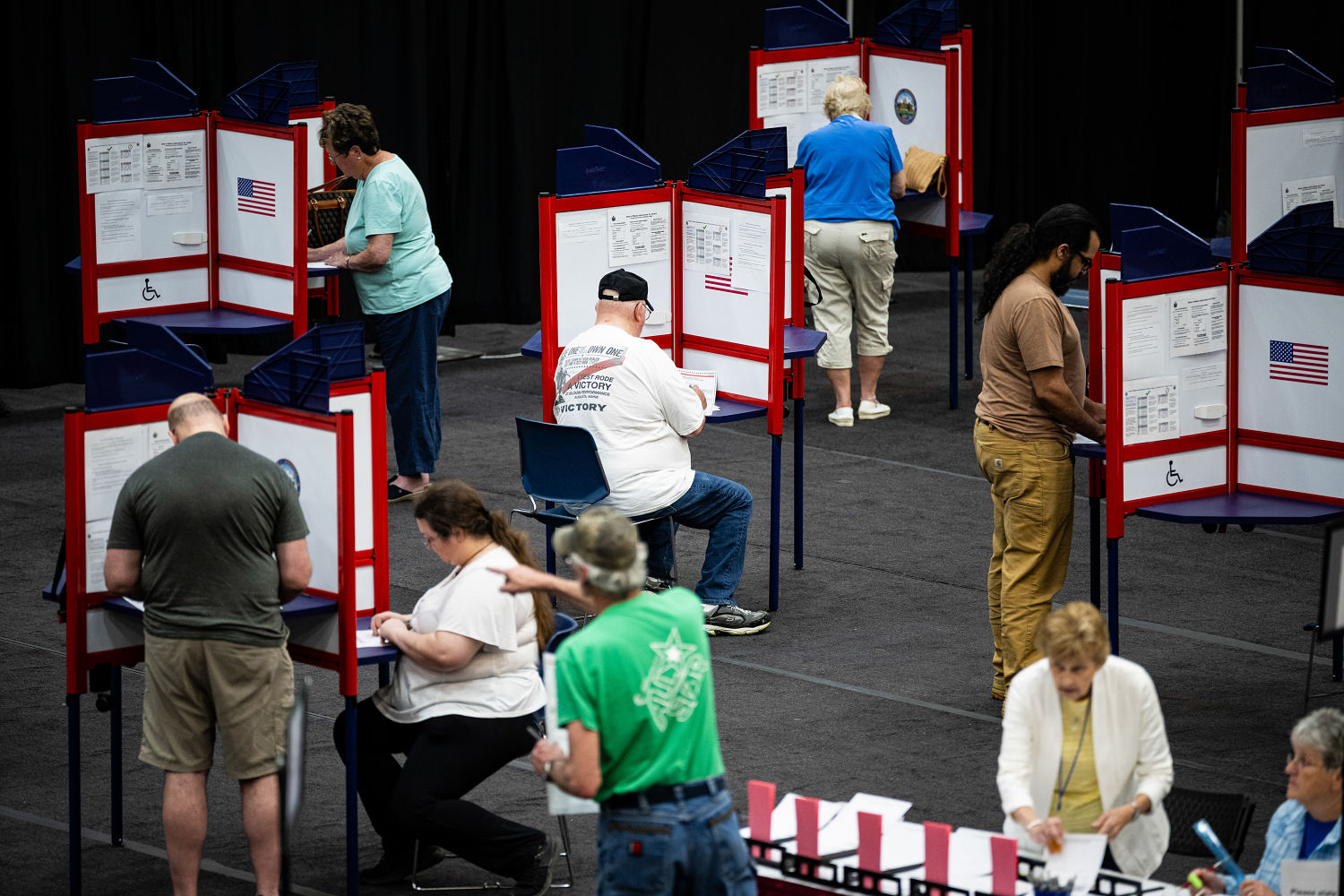
Voter rolls tell an uncomfortable story for party strategists, especially after the severe erosion seen following the 2024 presidential cycle. Millions of voters walked away from traditional party affiliations or dropped off active lists entirely. But recent data from swing states reveals a shift. The bleeding hasn't just stopped in certain battlegrounds; Democrats are clawing back lost territory ahead of the midterms.
If you look at the raw numbers from recent voter file analyses covering key battleground states, the narrative of constant decline is hitting a speed bump. Parties live and die by registration metrics. When a massive bloc of voters abandons party lines—as happened when millions ditched Democrats between 2020 and 2024—it signals deep underlying friction. Now, state parties are scrambling to rebuild those lists, pumping cash into localized registration drives and targeting disaffected groups who sat out previous cycles.
What Caused the Post-2024 Registration Drop
Let's be honest about why those numbers plummeted in the first place. Following the 2024 elections, voter fatigue set in hard. People were exhausted by endless campaign spending, polarized rhetoric, and economic anxieties that dominated the airwaves. Many voters didn't necessarily switch sides to the GOP; they simply reclassified as unaffiliated or independent, or they stopped updating their information entirely.
This trend hit competitive swing districts particularly hard. In places like Pennsylvania and parts of the industrial Midwest, localized data showed thousands of registered Democrats slipping away month after month. Activists on the ground kept sounding alarms, pointing out that apathy was becoming a bigger threat than active opposition.
How the Ground Game is Changing
You can't fix a registration deficit with television ads alone. Party organizers realized they needed a complete overhaul of how they interact with potential voters on the block level. Instead of waiting for election season to spark interest, state chapters started investing in year-round community outreach.
The focus shifted toward grassroots engagement, addressing immediate local concerns rather than just national talking points. In several key states, targeted drives are successfully pulling independent and newly relocated residents back into the Democratic fold. It's not a uniform wave across the entire country, but rather a patchwork recovery led by aggressive local organizing committees.
What This Means for the Midterms
Registration numbers don't cast ballots, but they act as an early warning system for voter enthusiasm. A stabilizing voter roll gives campaigns a clearer target for door-to-door canvassing and mail-in ballot tracking. While the Republican Party still holds structural advantages in voter registration momentum in several southern and rural districts, the recent stabilization for Democrats in crucial northern battlegrounds changes the arithmetic for House and Senate races.
Keep an eye on local county boards of elections to track how these numbers translate into actual participation once early voting begins. The real test isn't just getting someone to check a box on a registration form; it's whether they show up when it counts.