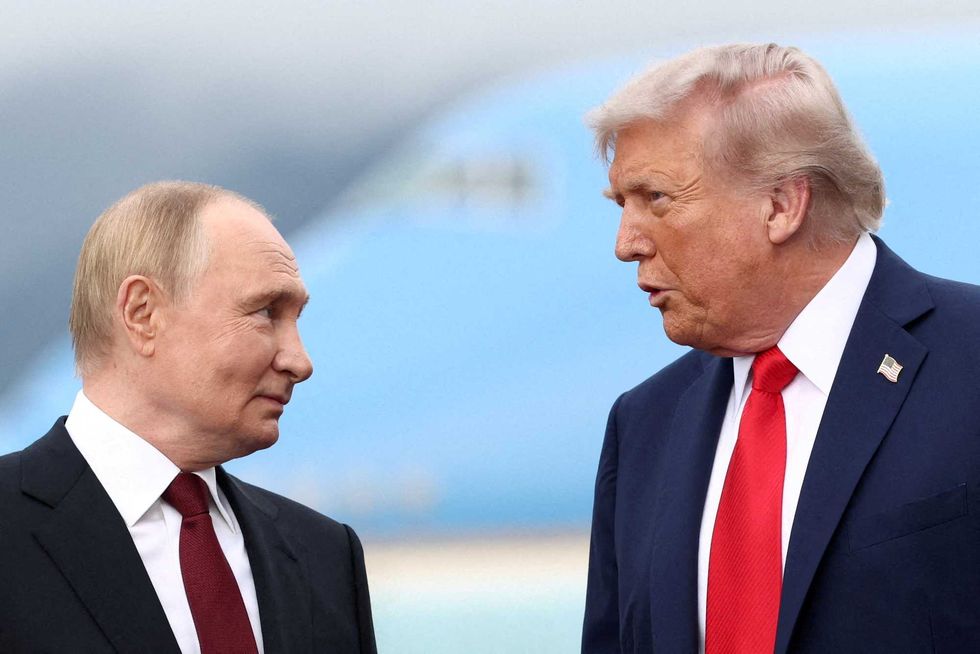
Foreign policy in Washington used to have strict rules. You stood by allies, checked the Kremlin's ambitions, and maintained the post-World War II security architecture. Donald Trump never cared much for rules. Now, his willingness to push a fast-tracked peace deal with Vladimir Putin is triggering a quiet panic inside the Republican party.
If you think the old GOP consensus on foreign affairs is safe, you haven't been paying attention. A significant faction of traditional conservatives still views Moscow through a Cold War lens. When the White House signals that it is ready to trade territorial concessions for a quick end to the fighting in Eastern Europe, alarm bells go off on Capitol Hill.
The Split Inside the Right
The modern Republican party isn't a monolith. On one side, you have the populist wing that cheers every time Trump promises to wind down foreign entanglements. They want tax dollars spent at home, not funneled into endless overseas conflicts. On the other side sits a stubborn remnant of Reagan-era hawks. Senators and representatives who believe that backing down to the Kremlin sets a dangerous global precedent.
When details of a potential settlement leak, they don't look like peace to these traditionalists. They look like appeasement. Related coverage on the subject has been provided by The Washington Post.
Let's look at what is actually driving this friction.
- Territorial Integrity vs. Realpolitik: Traditional conservatives argue that rewarding aggression with land invites future invasions. Trump's camp views the conflict through a transactional prism, asking simply what it costs America to keep the lights on in Kyiv.
- The Congressional Firewall: Even with a friendly majority, legislative buy-in matters. Foreign aid, sanctions relief, and international treaties require legislative teeth. If enough GOP lawmakers balk at terms that look too favorable to Moscow, a legislative rebellion becomes entirely possible.
Why the Traditional Playbook is Dead
For decades, foreign policy establishments in both parties operated on autopilot. They assumed American hegemony was permanent and that every distant border dispute required Washington's direct intervention. Trump rejects that premise entirely. He views foreign leaders as business counterparts. If a deal can be struck, details like historic grievances or democratic norms often take a backseat.
This transactional mindset is precisely what rattles traditional national security advisors. They understand that international relations aren't real estate transactions. A bad contract on a skyscraper means a lost investment. A botched diplomatic accord can upend global security overnight.
Yet, the populist base loves the disruption. They see the foreign policy establishment as out of touch, arrogant, and responsible for decades of wasteful interventions. When Trump bypasses standard diplomatic channels to talk turkey with Moscow, his supporters see strength. His critics see capitulation.
What Comes Next
The collision between presidential ambition and congressional resistance is coming fast. You can't bridge a ideological divide that wide with a simple press release. As concrete proposals take shape, individual lawmakers will have to pick a side. Do they fall in line with the party's populist leader, or do they risk his wrath to defend the old alliance structures?
The outcome won't just shape Eastern Europe. It will define the soul of the Republican Party for a generation. Watch the legislative votes closely. The rhetoric is loud, but the voting cards will tell the real story.
Trump's Ukraine deal faces resistance among GOP Senate Russia
This video provides valuable context on how key Republican senators are pushing back against the administration's proposed terms for ending the conflict.
http://googleusercontent.com/youtube_content/1