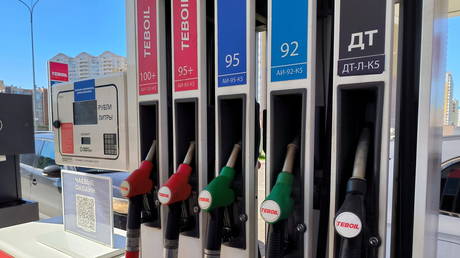
Fuel costs are killing American wallets, and the White House just did the unthinkable to fix it.
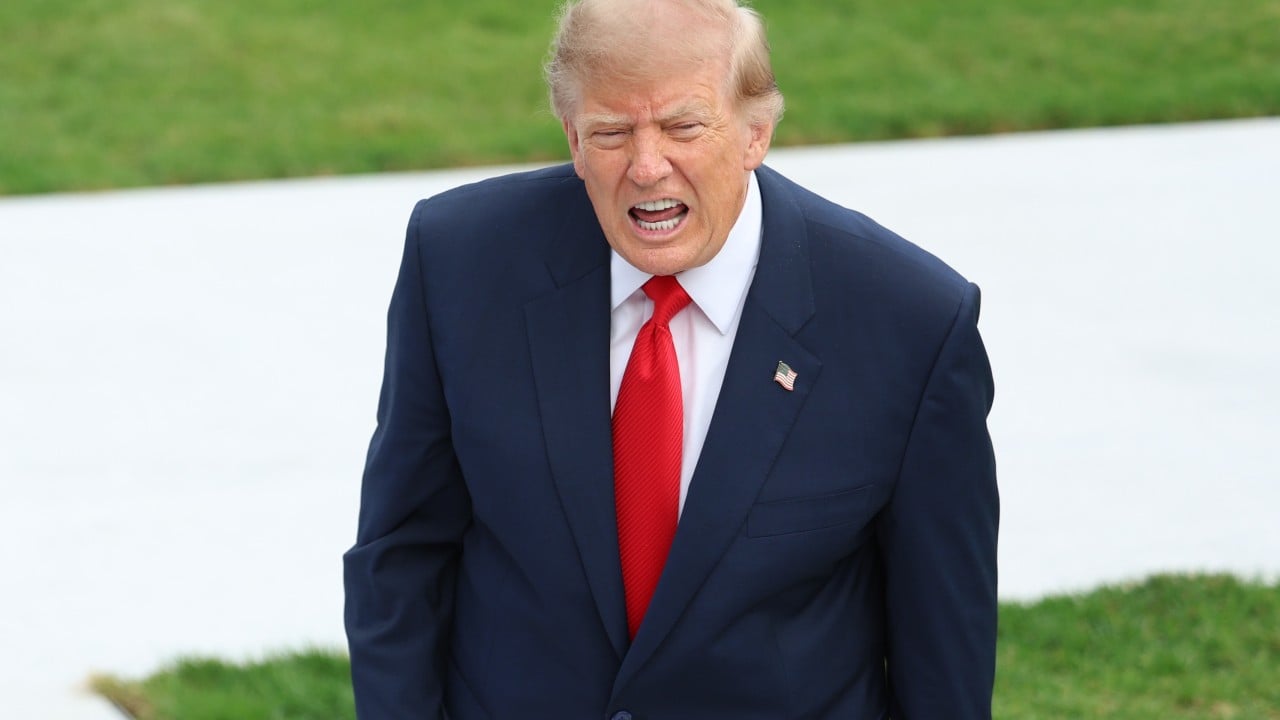
President Donald Trump announced a major arrangement to source diesel from Russia, shattering years of economic isolation and geopolitical pressure tied to the war in Ukraine. With the midterm elections looming next month, skyrocketing pump prices have created a massive political headache for the administration. Voters in crucial swing states are angry, and the cost of moving goods across the country has spiked to painful levels.
If you're wondering how a president who built a career on hardline stances against Moscow ended up pivoting overnight, look at the calendar and the polling data. Diesel isn't just another commodity; it's the lifeblood of American agriculture, logistics, and supply chains. When a gallon of diesel hit record highs near $6.52, the political fallout became impossible to ignore.
The Political Panic Behind the Pump
Let's be honest about what's driving this decision. It isn't a sudden burst of diplomatic warmth or a long-term shift in foreign policy. It's pure political survival.
Recent polling numbers show a stark reality. Voters who name the economy as their primary concern—a block that overwhelmingly backed Republicans previously—have grown deeply frustrated. Organizations like AAA reported average diesel prices lingering around $6.23 even after minor dips following the announcement. Truckers, farmers, and ranchers are feeling the squeeze daily, and they aren't hiding their dissatisfaction.
When household expenses outpace paychecks, political parties lose elections. The Cook Political Report and various congressional trackers have pointed toward a difficult midterm landscape for the ruling party. Lowering energy costs isn't just a policy goal right now; it's an emergency defense mechanism against a wave of voter backlash.
Inside the Treasury's Quick Pivot
Shortly after the presidential announcement, the Treasury Department issued a temporary general license. This move permits Russian diesel loaded onto tankers as of Friday to enter the global market without triggering severe sanctions, keeping the exemption open until April 2027.
This reversal caught many observers off guard. Treasury Secretary Scott Bessent had previously downplayed the possibility of relaxing restrictions on Russian petroleum products. Yet, the pressure from soaring global energy markets—intensified by wider conflicts in the Middle East—forced an abrupt change in strategy.
Critics wasted no time firing back. Democratic lawmakers called the move infuriating, arguing that allowing Russian petroleum sales directly funds ongoing conflicts and rewards bad behavior on the international stage. Ukrainian officials also condemned the decision, warning that money flowing back into Moscow's energy sector will translate into further military aggression.
What This Means for Everyday Consumers
Will this deal actually lower your bills at the pump before you cast your ballot? That remains the million-dollar question.
Energy markets move fast, but supply chains take time to react. Even with a temporary waiver, logistics bottlenecks, refining capacities, and distribution hurdles mean relief won't happen overnight. While diesel futures dipped slightly following the news, translating that wholesale drop into cheaper fuel at local truck stops and gas stations involves a complex web of distributors and regional taxes.
If you rely on commercial transport or agricultural equipment, keep a close eye on wholesale pricing trends over the next two weeks rather than daily retail swings. Watch how regional inventories respond to the incoming tanker shipments permitted under the new Treasury license. Don't expect miracles at your local station immediately, but anticipate sharper price volatility as global markets digest the return of Russian supply into restricted Western channels.