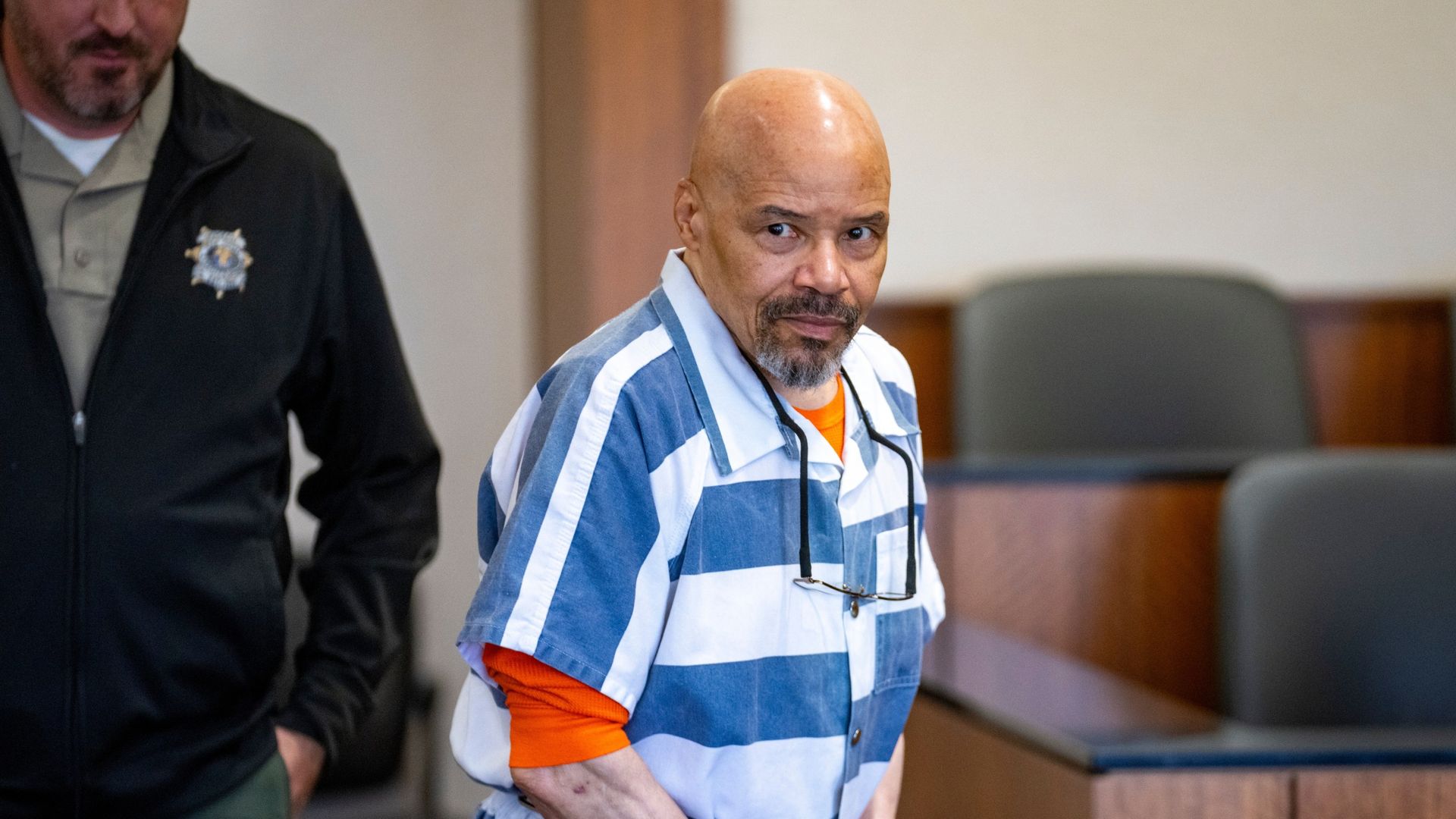
Forty-one years. That is how long Douglas Stewart Carter lived under a looming death sentence in Utah for a crime modern science says lacks any physical link to him. Recently, a judge ordered his release on bail after newly analyzed DNA evidence shattered the state's historical narrative. When you look closely at cases like Carter's, you see the terrifying cracks in the foundation of capital punishment.
The story began back on February 27, 1985, when Eva Olesen was murdered in her Provo home. Carter, a Black man from Chicago living in Utah at the time, was sucked into an investigation defined by coercion, suppressed leads, and structural failure. No physical trace connected Carter to the scene. Yet, a jury convicted him in 1985. How? The conviction rested almost entirely on a signed confession that Carter maintained was forced out of him, alongside testimony from two witnesses who later recanted their statements.
Those witnesses came forward years later to admit that police officers and prosecutors had coached them to lie, offering rent money and dangling threats of deportation if they didn't cooperate. Meanwhile, investigators overlooked alternative suspects, including the victim's husband, whose potential involvement was sidelined while authorities zeroed in on Carter.
The Turning Point of Modern DNA Analysis
Why did it take over four decades for justice to shift? Science finally caught up with systemic stubbornness. Prosecutors recently conceded that newly tested DNA evidence from the crime scene did not match Carter. Judge Derek Pullan noted that this modern testing severely undermined the state's original case, leading prosecutors to take the death penalty off the table ahead of a scheduled retrial.
While Judge Pullan granted Carter's release on bail—mandating a GPS monitor and restrictions on contacting the victim's family—the legal battle is far from over. The victim's family has expressed deep concerns, holding onto the belief that the absence of a DNA match doesn't automatically close the book on guilt. But defense attorney Neal Hamilton put the human cost into stark perspective, pointing out that Carter is stepping back into a society he hasn't seen in over forty years, carrying heavy state-induced trauma.
The Bigger Picture of Wrongful Convictions
Carter's release highlights a much larger, uncomfortable truth about the American justice system. Coerced confessions remain one of the leading drivers of wrongful convictions, especially for defendants of color. Juries often struggle to look past a confession document bearing a signature, ignoring the psychological pressure applied behind closed interrogation doors.
When you strip away the official narratives, you find a pattern: rushed investigations, withheld evidence, and a stubborn refusal to re-examine old files until public pressure or technological leaps force the issue. Carter's case proves that capital punishment leaves zero room for error, yet makes systemic errors terrifyingly easy to conceal for decades.
If you are following how wrongful convictions unravel, look past the headlines and study the transcripts. The system doesn't fix itself; it takes relentless legal teams, decades of advocacy, and undeniable forensic breakthroughs to pry open a cell door. Douglas Stewart Carter is finally out on bail, but the forty-one years he lost serve as a permanent indictment of a system that valued swift punishment over actual truth.